Pastor’s Wife Speaks Out After 5-Month Marriage Ends, Leaving Church World Reeling
A deeply emotional story has emerged from Fellowship Missionary Baptist Church in Minneapolis, where a pastor’s marriage reportedly collapsed just five months after vows were exchanged.
What makes this situation especially unsettling is not just the speed of the breakup—but the detailed account shared publicly by the pastor’s wife, who says she felt forced to speak after being silenced, blamed, and misrepresented.
According to her account, the relationship began with intention and promise.
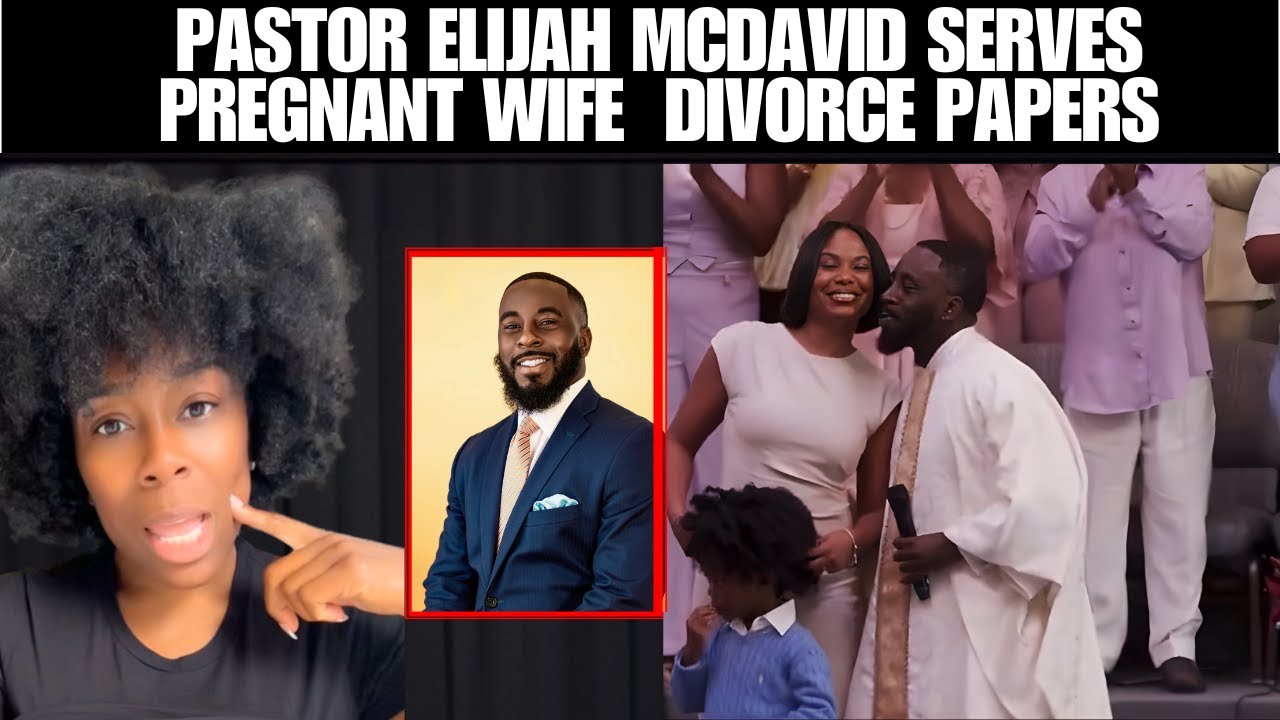
She described her husband as thoughtful, purposeful, and serious about marriage.
After nine months of dating, he proposed in April, and the engagement was announced dramatically in front of his entire congregation on Easter Sunday.
The moment was framed as a testimony—God’s reward to a faithful servant who, after years of ministry, was finally permitted to experience family.
By August, they were married.
The couple honeymooned in Italy.

On the very first day of that trip, she became pregnant.
Just months later, everything reportedly fell apart.
The wife claims that shortly after the engagement, she discovered her fiancé had allegedly been unfaithful during their relationship—specifically with members of his own church.
She says she called off the wedding, returned the ring, and canceled plans.
What followed, she describes, was relentless pleading, promises of change, and specific demands she believed showed accountability.

One of those demands, she says, involved the removal of a church secretary who allegedly knew about an inappropriate relationship between the pastor and her daughter.
When that demand was met, the wife says she believed genuine repentance had taken place.
Trusting that change was real, she uprooted her life, left her job, moved her son, and relocated to Minneapolis to become a pastor’s wife.
But marriage did not bring stability.
Within weeks, arguments escalated.

She describes her husband moving out and obtaining a separate apartment—despite her pregnancy.
Though he allegedly continued “playing house,” coming home daily, eating meals, helping with her son, and sleeping there regularly, the instability remained.
Then came the moment she says shattered her completely.
One afternoon, while folding laundry at home, a woman rang the doorbell and served her divorce papers.
There had been no prior conversation.

No warning.
No counseling session.
Just paperwork.
Days later, she says her husband admitted to being involved with another woman—one of the same women connected to earlier issues in their relationship.
The speed of the breakdown stunned viewers online: dating in 2024, engaged in April 2025, married in August, pregnant immediately, and served divorce papers by December.

Five months.
In follow-up videos, the wife explained why she chose to go public.
She said she had already gone to church leadership weeks earlier, sharing far more than what the public knew.
According to her, nothing was done.
Meanwhile, she says false narratives were circulating within the church, painting her as the problem.
“I wasn’t trying to destroy the church,” she said.
“I was trying to survive.”

She also revealed that she is expecting a baby girl—a moment that should have been joyful, but instead left her numb.
Her prayers, she said, are focused on peace, healing, and ensuring she doesn’t carry resentment into motherhood.
What intensified public reaction was the church’s response.
After the video went viral, the pastor addressed the congregation.
He acknowledged pain, apologized to the church for the situation becoming public, and announced a brief leave of absence.
While stating that much of what was said online was “misleading,” he also stood firmly by his decision to end the marriage, citing the need to be “physically safe and mentally whole.”

That explanation raised even more questions.
Critics pointed out inconsistencies between his online sermons—where he appeared active and composed—and claims of being unable to function emotionally.
Others questioned how a marriage could deteriorate so quickly without deeper issues already present.
The absence of transparency, they argue, has only widened the trust gap.
At the center of it all is a child—actually two.
One uprooted from a new life in Minnesota.
Another not yet born.

Many viewers expressed heartbreak not only for the wife, but for the broader pattern this story reflects.
Time and again, pastor’s wives who speak up are labeled bitter, unstable, or rebellious—while churches close ranks around leadership.
This story has reignited conversations about accountability in the pulpit, the protection of families, and whether churches truly support “the whole family” when crisis hits.
While not every allegation can be independently verified, one truth is undeniable: a five-month marriage has ended, a woman is grieving publicly, and a congregation is left wrestling with trust.
And for many watching, the most painful question remains unanswered—how did something proclaimed as God-ordained fall apart so fast?


