Marvin Sapp Judging Pastor Tony Evans’ Praise Team: When Authority, Ego, and Worship Collide
What happens when a celebrated gospel icon publicly shames a worship team—and the internet decides to hold up a mirror? That’s the question rocking church circles after a viral clip surfaced showing Bishop Marvin Sapp sharply criticizing a praise and worship team during a church service.
His words, especially one phrase—“I sing for a living”—set off a debate far larger than one performance.
The clip begins innocently enough.

Marvin Sapp addresses the praise team with what initially sounds like standard pastoral correction.
He emphasizes the need for improvement, excellence, and preparation.
Few people disagreed with that part.
In most churches, accountability in worship ministry is expected.
Excellence matters.

Preparation matters.
But then the tone shifted.
Sapp justified his critique by elevating his authority, declaring that he sings for a living and that, as the pastor, he had the right to say what he said.
Moments later, he described the team’s sound as “trash.”
For many watching, that was the moment everything changed.

What could have been constructive feedback crossed into public humiliation.
The backlash was immediate.
Viewers weren’t just offended by the word choice.
They were disturbed by the mindset behind it.
The critique no longer sounded pastoral—it sounded hierarchical.

Authority wasn’t being used to build; it was being used to dominate.
And in a space meant to reflect humility and service, that felt deeply contradictory.
The controversy hit harder because of who Marvin Sapp is.
He’s not just a local pastor.
He’s a gospel legend, a Grammy-nominated artist whose songs have shaped worship experiences around the world.
His influence extends far beyond one congregation.
When someone of that stature speaks, it sets a tone—and many felt that tone was troubling.
Almost immediately, the internet responded the way it always does when someone declares themselves the standard: it tested the claim.
Old performance clips of Marvin Sapp began circulating online.
Side-by-side comparisons appeared—moments where even he struggled vocally, missed notes, or walked off stage after an imperfect run.
To be clear, few were arguing that Sapp can’t sing.
His legacy is unquestioned.
But that wasn’t the point people were making.
The point was humility.
Every singer has off days.

Voices crack.
Fatigue sets in.
Age and health matter.
Worship is not immune to human limitation.
Critics argued that publicly shaming others for imperfection while having experienced the same reality creates a double standard.

Grace seemed to flow upward, but not downward.
As the discussion grew, worship leaders and musicians began sharing their own experiences.
Many spoke about how public criticism from leadership crushed confidence, created fear, and pushed gifted people out of ministry altogether.
Worship, they reminded everyone, is not a performance industry—it’s an act of service.
The turning point came when Rock Leach, a respected voice in the church community, entered the conversation.
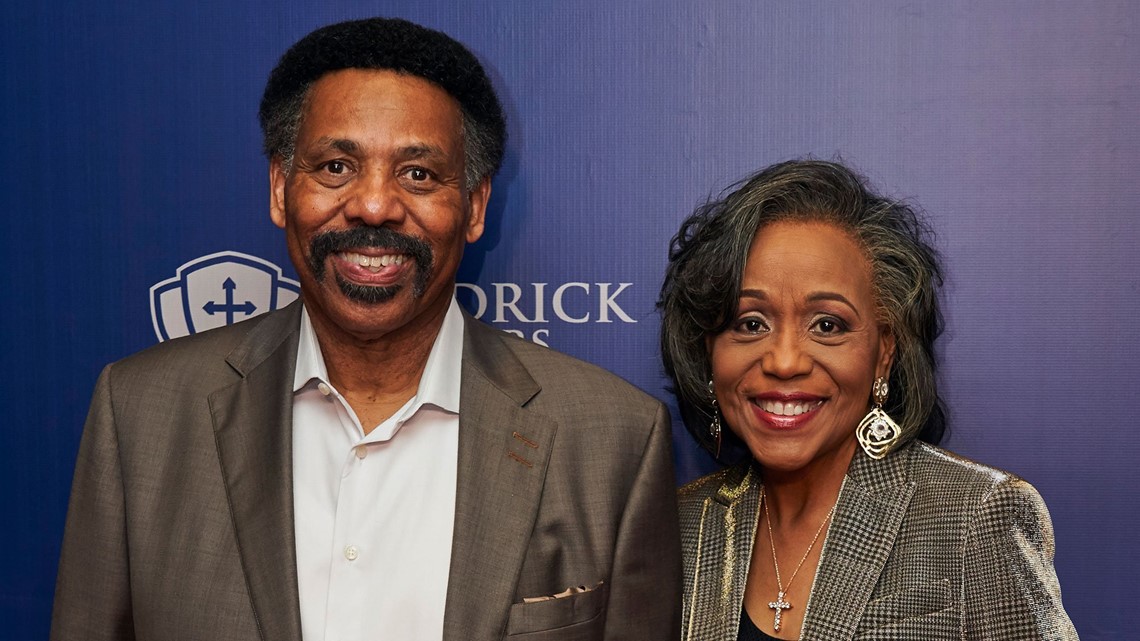
Unlike the memes and sarcasm flooding social media, Rock’s response was calm, biblical, and pointed.
He acknowledged that accountability matters, but drew a firm line between correction and humiliation.
Calling a praise team “trash” in front of a congregation, he argued, was not leadership—it was ego.
Rock carefully dissected Sapp’s statements, explaining how phrases like “I sing for a living” and “I’m the pastor” functioned as shields against accountability.
Leadership, he emphasized, does not grant immunity from correction.

In fact, it demands greater humility.
What made Rock’s response resonate was his balance.
He didn’t attack Marvin Sapp’s legacy.
He acknowledged his contributions.
But he also refused to excuse behavior simply because of reputation.

No one, Rock insisted, is above grace.
That message struck a nerve.
The debate quickly expanded beyond Marvin Sapp or one praise team.
It exposed a deeper issue within church culture: how power is handled.
In many churches, pastors are elevated to a level where their words go unchecked.

Their mistakes are minimized, while those under them are scrutinized harshly.
That imbalance creates fear, not growth.
Worship leaders began admitting they often serve under pressure, terrified of public embarrᴀssment rather than encouraged toward excellence.
The Marvin Sapp incident became a symbol of that broader problem—a system where authority is sometimes mistaken for enтιтlement.
Ironically, a man celebrated for leading worship became the example of how easily worship can be overshadowed by ego.
This moment wasn’t just viral drama.
It was a mirror.
And what it reflected made many uncomfortable.
Because the real question isn’t whether Marvin Sapp was right or wrong in his critique.
The real question is whether the church is willing to confront a culture that rewards power more than humility—and whether even the most respected leaders are willing to be corrected.


