Google CEO Warns: The AI Boom Is Real—but the Risks Are Too
Artificial intelligence has become the defining economic force of this decade.
It shapes markets, geopolitics, education, healthcare, and even how people make personal decisions.
At the center of this transformation sits Sundar Pichai, CEO of Alphabet, the parent company of Google.

In a rare and wide-ranging interview with the BBC, Pichai addressed one of the most urgent questions facing the global economy today: is the AI boom becoming a dangerous bubble?
His answer was neither alarmist nor complacent.
Instead, it revealed a nuanced and sobering reality—AI is both a revolutionary technology and a source of growing economic risk.
The scale of investment flowing into AI is unlike anything the tech world has seen before.
Pichai revealed that Google’s annual capital spending has surged from under $30 billion just four years ago to more than $90 billion today.

Across the industry, total investment in AI infrastructure—chips, data centers, networks, and energy systems—now exceeds $1 trillion.
In just a few years, companies are building infrastructure equivalent to what previously took decades to construct.
This rapid acceleration has fueled soaring stock prices and kept U.S. markets buoyant even during periods of economic uncertainty.
But it has also raised uncomfortable questions about sustainability.
Pichai acknowledged what many investors quietly fear: moments like this often contain both rational excitement and irrational excess.
AI is delivering real value.
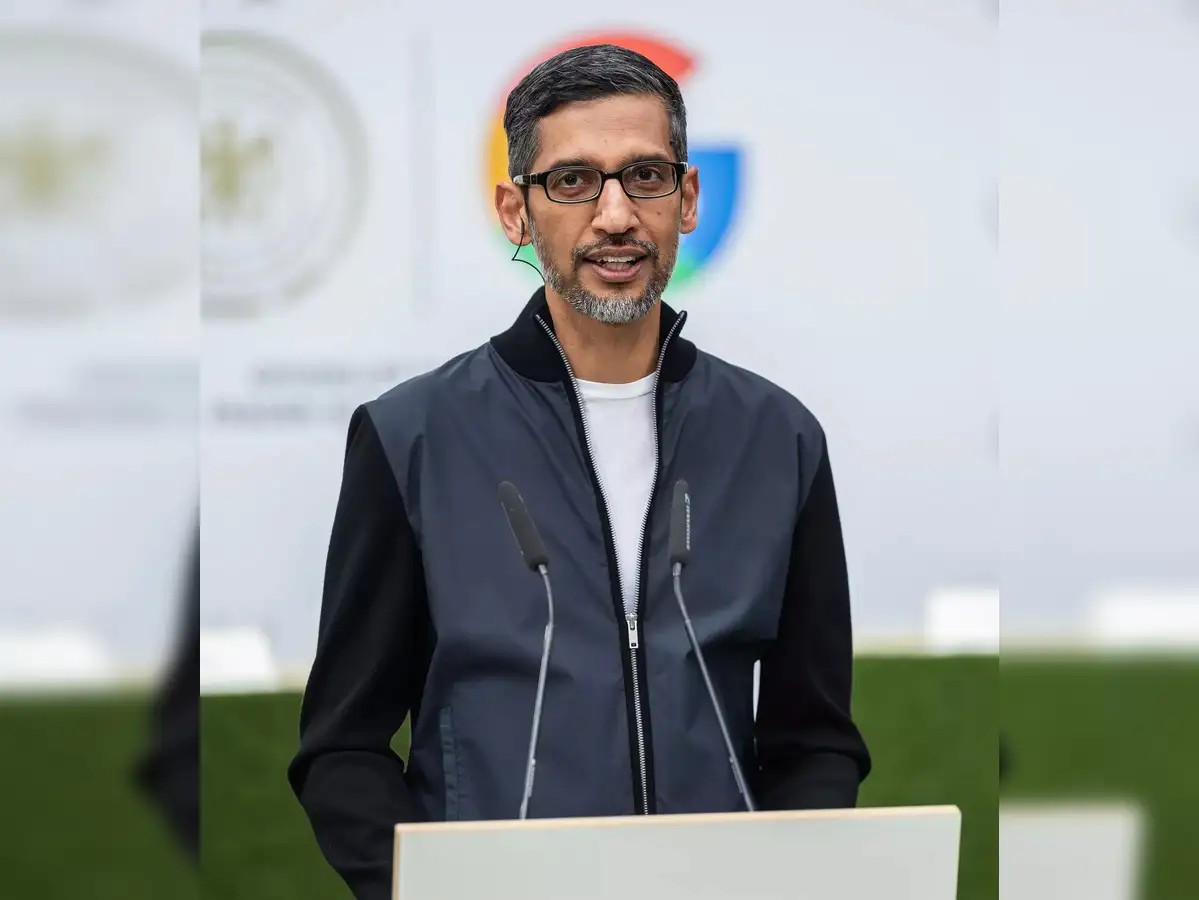
Demand is mᴀssive.
Companies are actively deploying models across products, services, and enterprises.
In many cases, providers cannot even keep up with demand.
Yet history offers a cautionary tale.
The internet boom of the late 1990s also transformed society—but it was followed by a brutal market collapse that wiped out countless companies.
Pichai suggested AI will follow a similar path: profoundly transformative in the long run, but volatile and unforgiving in the short term.
Not every company riding the AI wave will survive.

Many are financing expansion with borrowed money, complex debt structures, and business models that have yet to prove profitable.
When financial conditions тιԍнтen, those weaknesses may be exposed.
One of the most serious risks lies outside the tech giants themselves.
Companies like Google, Microsoft, and Amazon generate enormous cash flows from existing businesses, allowing them to fund AI development internally.
Smaller players often rely on debt and speculative funding.
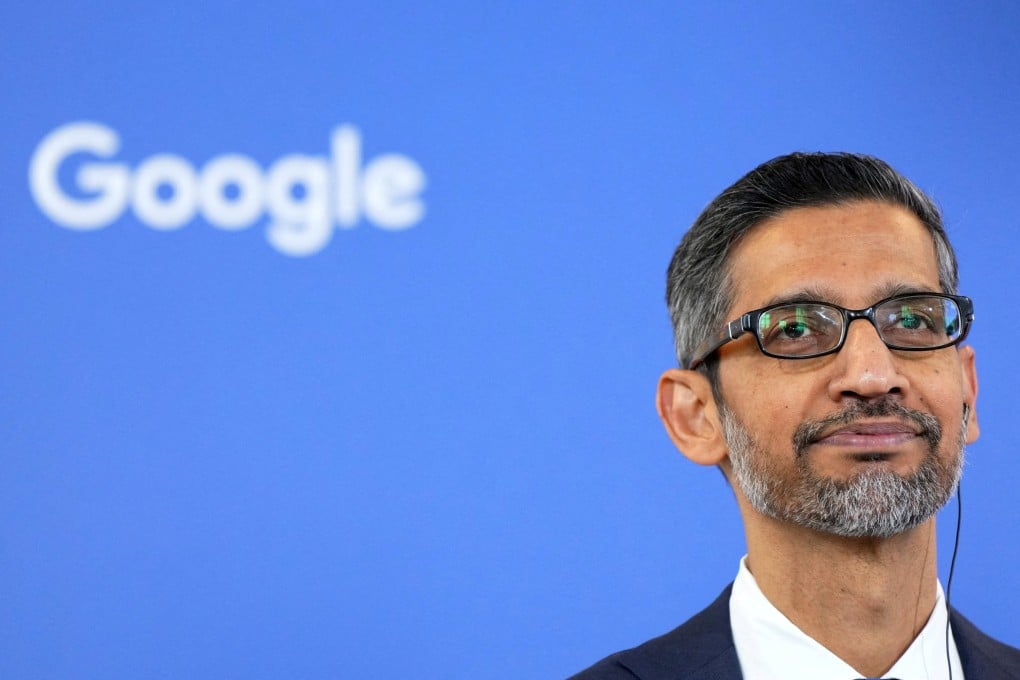
As market volatility increases, investors are beginning to “kick the tires,” asking harder questions: Where is the revenue? Can these firms service their debt? Are users actually paying enough to justify the scale of spending? When capital becomes more selective, a shakeout becomes inevitable.
As one market saying goes, “When the tide goes out, you see who’s been swimming naked.”
Beyond economics, Pichai emphasized trust as the foundation of AI’s future.
AI systems are moving beyond simple search tools into deeply personal territory—offering medical advice, financial guidance, educational support, and even emotional companionship.
This raises profound ethical questions.

Can users trust AI recommendations when advertising, incentives, or hidden biases may influence outcomes? Will people accept AI-ᴀssisted decisions in healthcare or education? For companies like Google, trust may be as valuable as technology itself.
Pichai’s tone throughout the interview reflected a deliberate effort to reᴀssure the public that transparency, responsibility, and collaboration matter as much as innovation.
One of the most striking revelations was the scale of AI’s energy demands.
By 2030, AI data centers are projected to consume more electricity than India.
This has transformed energy from a background issue into a central constraint on AI growth.
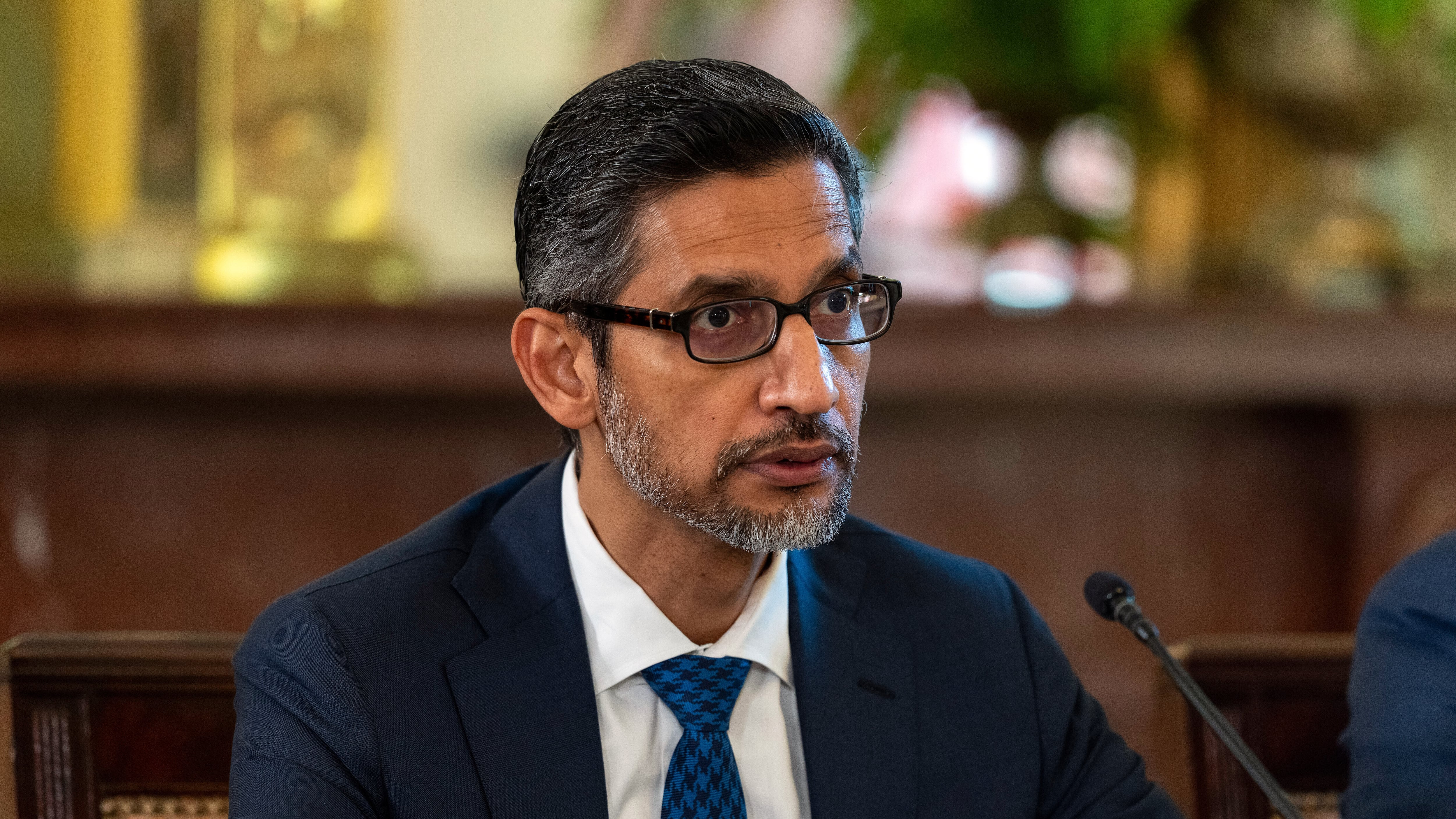
Pichai rejected the idea that AI and climate goals must be in conflict—but admitted the challenge is real.
Google is investing heavily in nuclear fusion, small modular nuclear reactors, geothermal energy, and advanced renewables.
AI’s explosive energy appeтιтe is now driving mᴀssive investment into next-generation power systems.
Still, the implication is clear: nations that want to lead in AI must also solve energy infrastructure—or risk falling behind.
AI is no longer just a business race; it is a geopolitical one.

The United States and China are competing for dominance, while countries like the UK aspire to become secondary AI superpowers.
Pichai hinted that policy decisions—especially around energy, regulation, and immigration—will shape where cutting-edge research happens.
He also subtly warned against restricting skilled immigration.
Many of America’s top tech leaders, including Pichai himself, arrived on work visas.
Limiting that talent pipeline could undermine innovation at a critical moment.
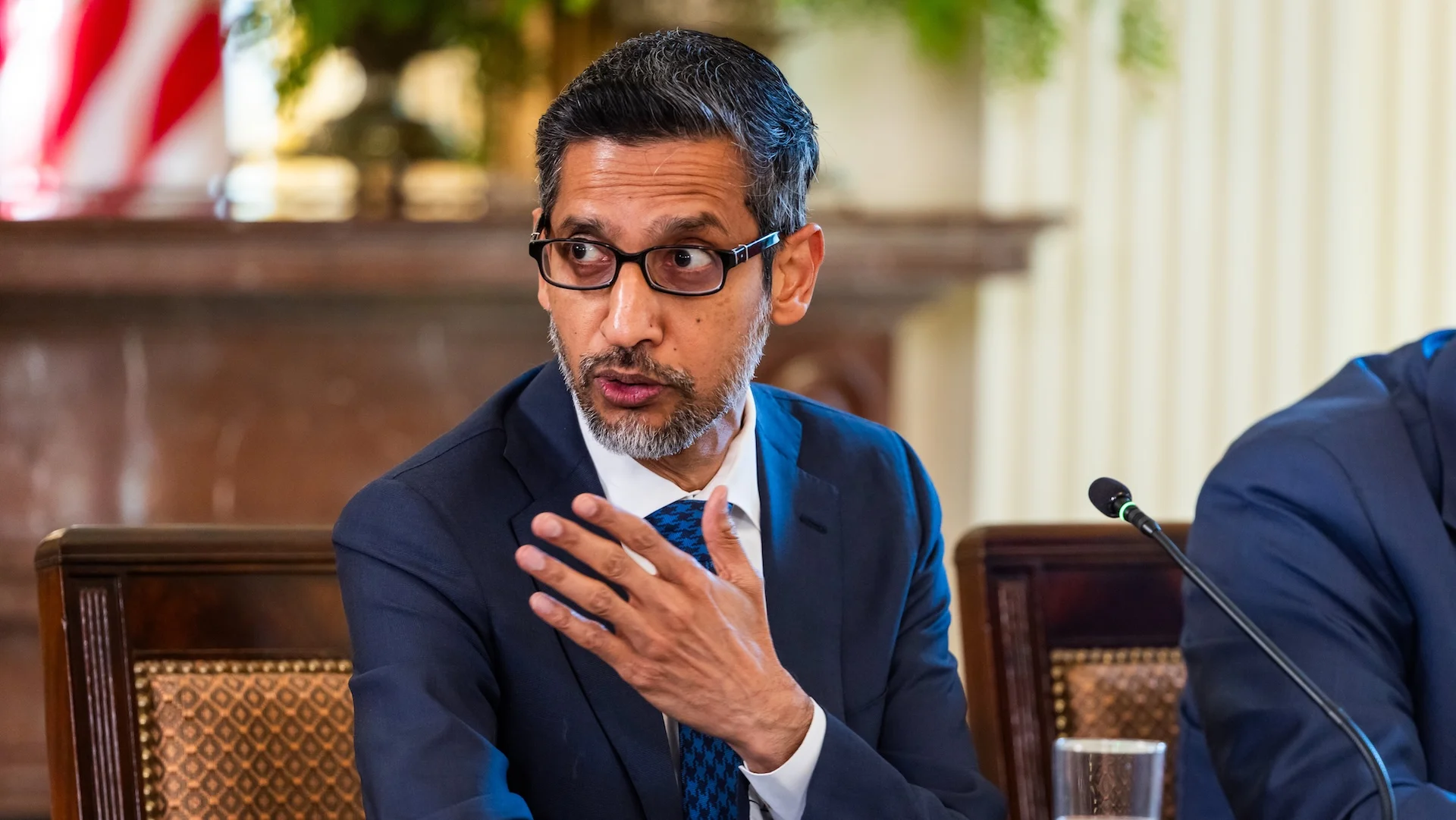
Sundar Pichai’s message was clear: AI is real, transformative, and here to stay—but not without turbulence.
Enormous opportunity exists alongside real financial, environmental, and social risks.
Markets may overshoot.
Some companies will fail.
Policy choices will matter more than ever.
What emerges on the other side, however, could redefine economies and societies for generations.
The AI future is not a question of if, but how wisely it is built.


