A Chilling Night That Still Haunts Rock History
For decades, the death of Bon Scott has been explained in a way that felt almost too convenient.
The official story claimed that the legendary AC/DC singer drank heavily, pᴀssed out in a car, and died from acute alcohol poisoning.
It fit the image of a hard-living rock star and allowed the world to move on.

But when the details of that night are examined carefully, the facts refuse to line up.
By the end of the 1970s, Bon Scott was no longer just a wild frontman screaming his way through sweaty pub shows.
He was the unmistakable voice of AC/DC as the band exploded onto the global stage.
Albums like Highway to Hell turned them into international stars, and Bon’s lyrics—crude, fearless, and brutally honest—became anthems for millions.
To fans, he seemed indestructible.
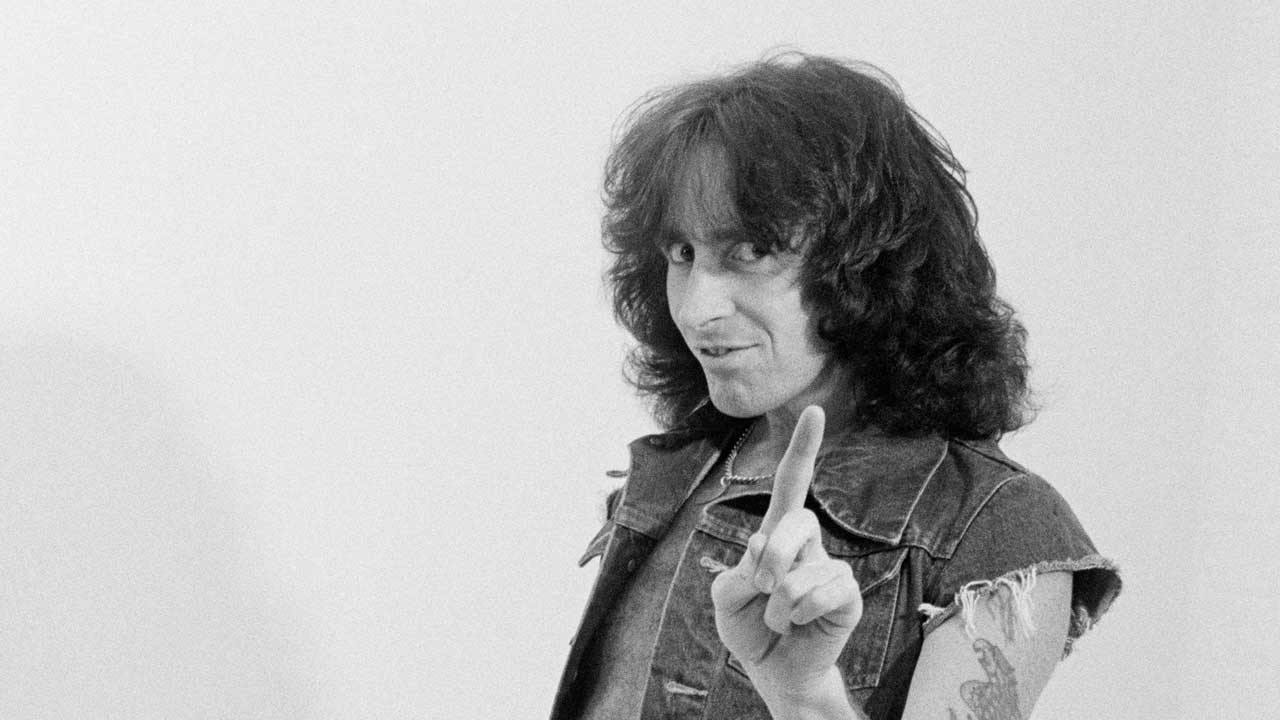
To those closest to him, the cracks were already showing.
The Highway to Hell tour had pushed the band to its limits.
Months of relentless travel, interviews by day, performances by night, and constant pressure left Bon physically and emotionally exhausted.
Years of heavy drinking had taken a toll on his health.
He suffered liver problems, chronic fatigue, and lingering injuries from a past motorcycle accident.

Still, slowing down was never an option.
This was the success he had chased his entire life.
After the final show of the tour in Southampton, Bon stayed behind in London while the rest of the band prepared for what was supposed to be the next creative chapter.
New music was already being discussed.
There was no sense of an ending—only momentum.

London, however, offered distractions perfectly matched to Bon’s appeтιтe for chaos.
The city’s nightlife was electric, but it was also deeply entangled with drugs, particularly heroin.
In the weeks before his death, Bon drifted from bar to bar and club to club, reconnecting with old acquaintances and falling back into familiar patterns.
Friends later described him as restless and emotionally drained.
He joked and laughed as always, but beneath the surface, something was clearly wrong.
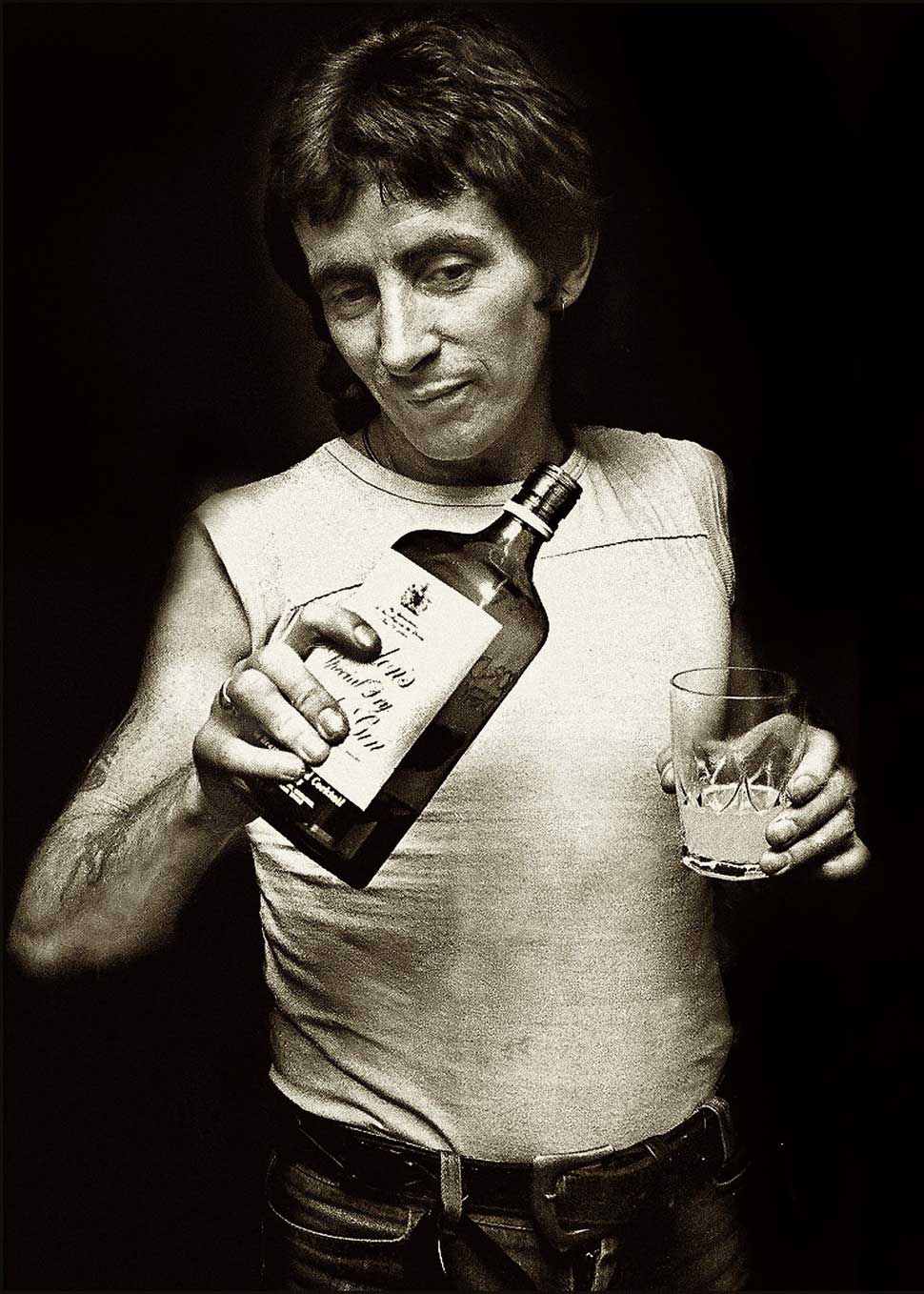
On the evening of February 18, 1980, Bon stepped into the London night with no sign that it would be his last.
He met up with Alistair Kinnear, a man loosely connected to the rock scene.
They drank heavily and eventually made their way to the Music Machine in Camden, a club Bon frequented.
Witnesses later offered conflicting accounts of Bon’s condition.
Some said he was barely able to stand.
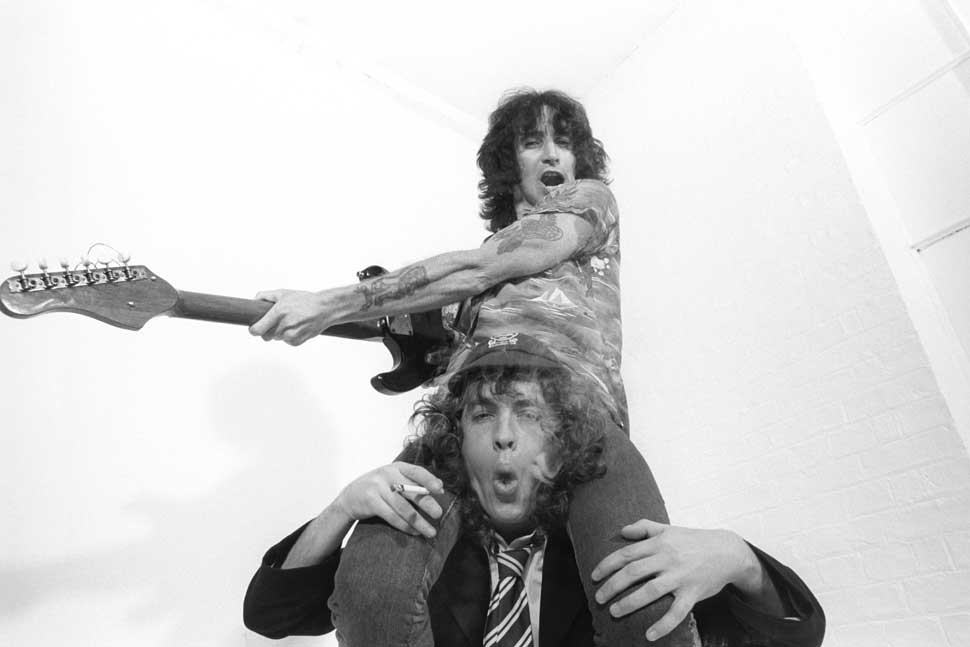
Others insisted he seemed sober, alert, and in control.
These contradictions would define everything that followed.
According to Kinnear, Bon became too intoxicated to continue and needed to be taken home.
During the drive, Kinnear claimed Bon pᴀssed out in the car.
Unable—or unwilling—to wake him, Kinnear made a decision that would haunt rock history.

He parked outside his flat in East Dulwich, reclined the seat, and left Bon alone in the car during one of the coldest weeks of winter.
No medical help was called.
No one stayed with him.
Bon Scott was left unconscious in a parked car as temperatures dropped below freezing.
What happened next is where certainty disappears.
Kinnear later gave conflicting statements about whether and how often he checked on Bon during the night.
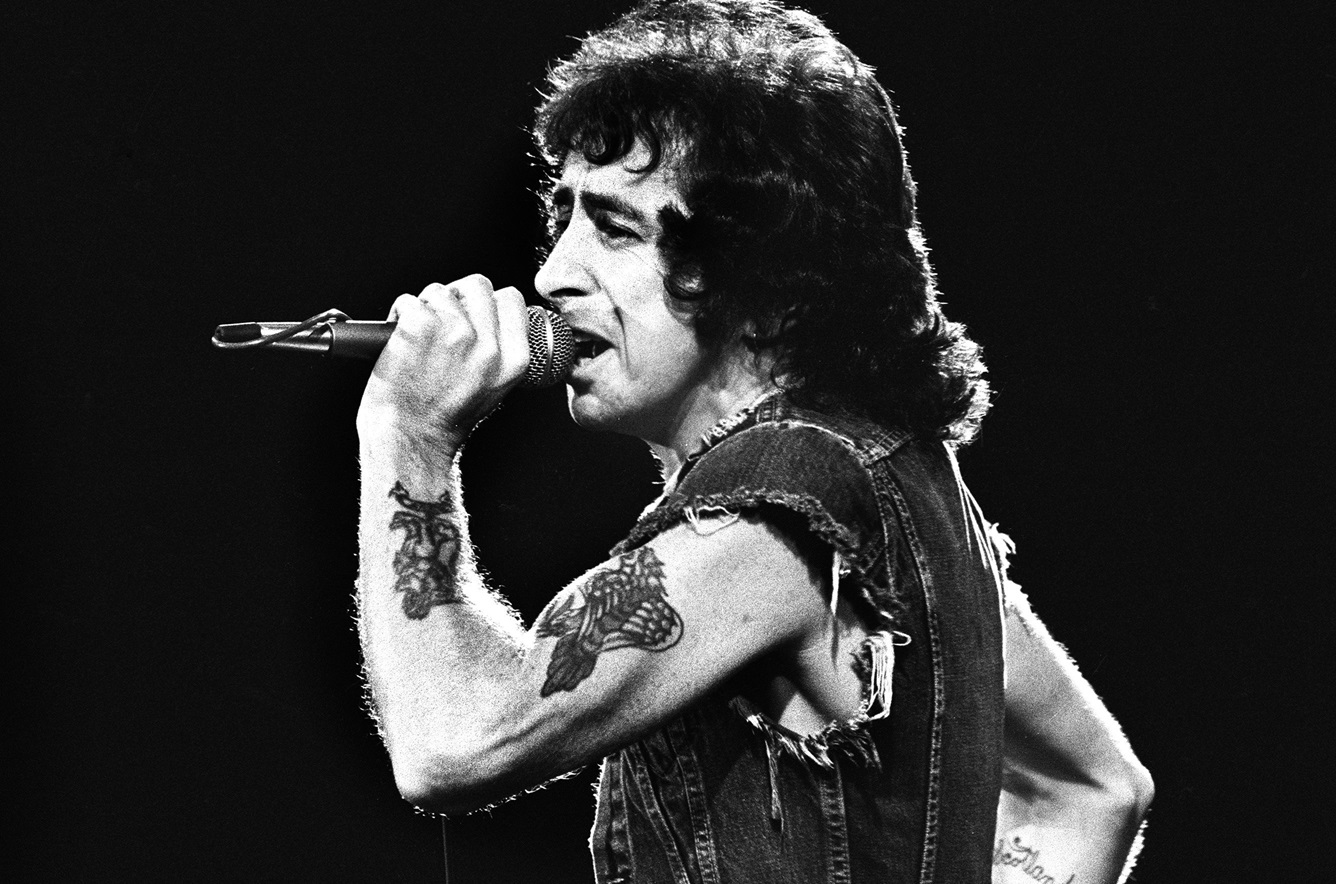
The timeline between the early morning hours of February 19 and the moment Bon was officially discovered is disturbingly unclear.
Even more troubling are the accounts from other musicians.
Members of the band UFO later stated they received phone calls about Bon’s death early that morning—hours before Kinnear claimed to have found the body.
Guitarist Paul Chapman recalled a panicked call from Joe King, Bon’s flatmate, who was hysterical and already convinced Bon was ᴅᴇᴀᴅ.
If the body had not yet been discovered, how did anyone know?
This fractured timeline raises unsettling questions.
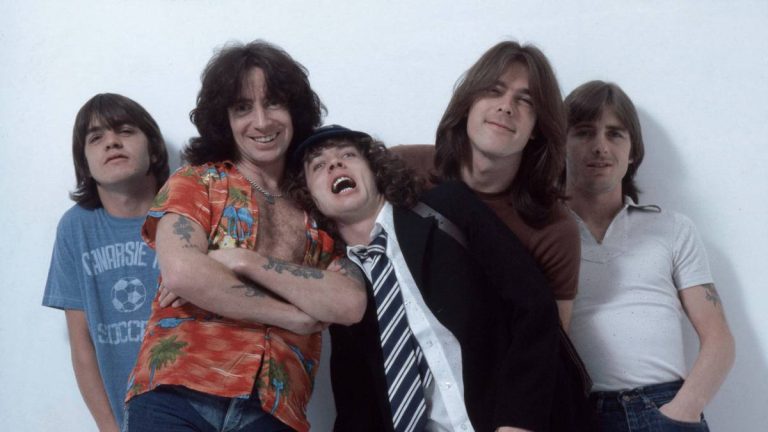
Someone appeared to know Bon was ᴅᴇᴀᴅ long before authorities were involved.
Yet no official records explain how that information surfaced or who made the first call.
The official cause of death was ruled as acute alcohol poisoning, classified as death by misadventure.
But physical evidence complicates that conclusion.
There was reportedly no vomit in the car or on Bon’s clothing—an unusual detail for a death attributed to choking.
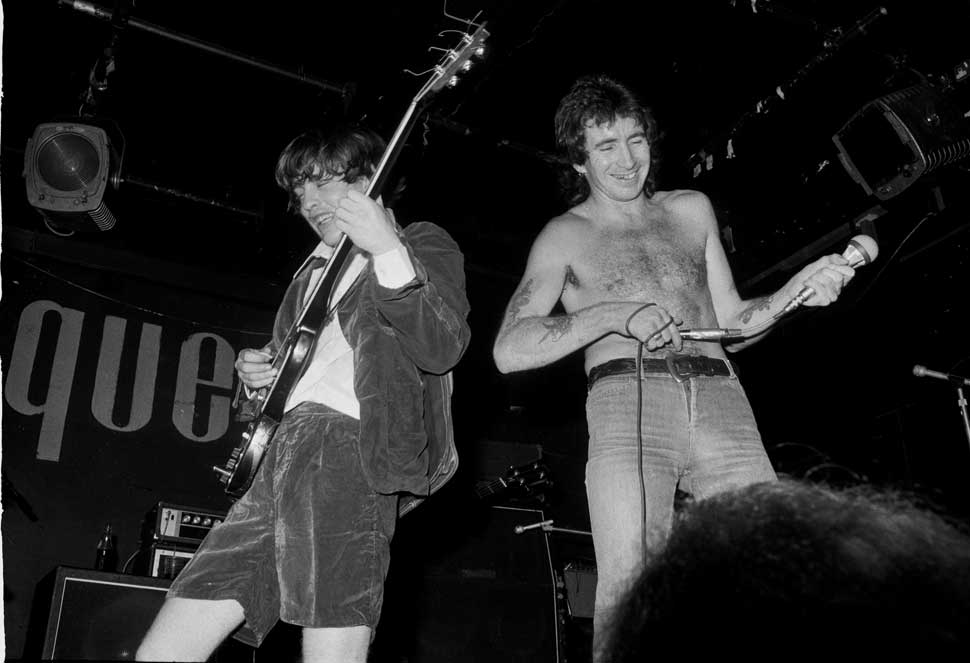
Bon’s dental plate was dislodged, which could have obstructed his airway, but that alone does not explain what caused the initial collapse.
Alcohol tolerance, exposure to freezing temperatures, possible respiratory failure, and the potential involvement of drugs—none of these factors were fully examined.
Records were sealed, witnesses faded from view, and deeper investigation never followed.
Bon Scott did not simply die because he drank too much.
He died after a chain of decisions, omissions, and unanswered questions left him without help when it mattered most.
More than forty years later, the silence surrounding that night remains as cold as the car where he was found.


