It often starts with sound rather than sight.
A violin chosen because it feels right under the chin, a mandolin tucked away in a farmhouse closet, or a viola played faithfully for decades without anyone questioning its true idenтιтy.
These instruments were never bought as trophies.
They were bought to be played, loved, and lived with.
And yet, behind the worn varnish and familiar curves, history had been quietly waiting.
One such story begins in 1962, when a musician selected a violin on consignment from a Chicago violin house.
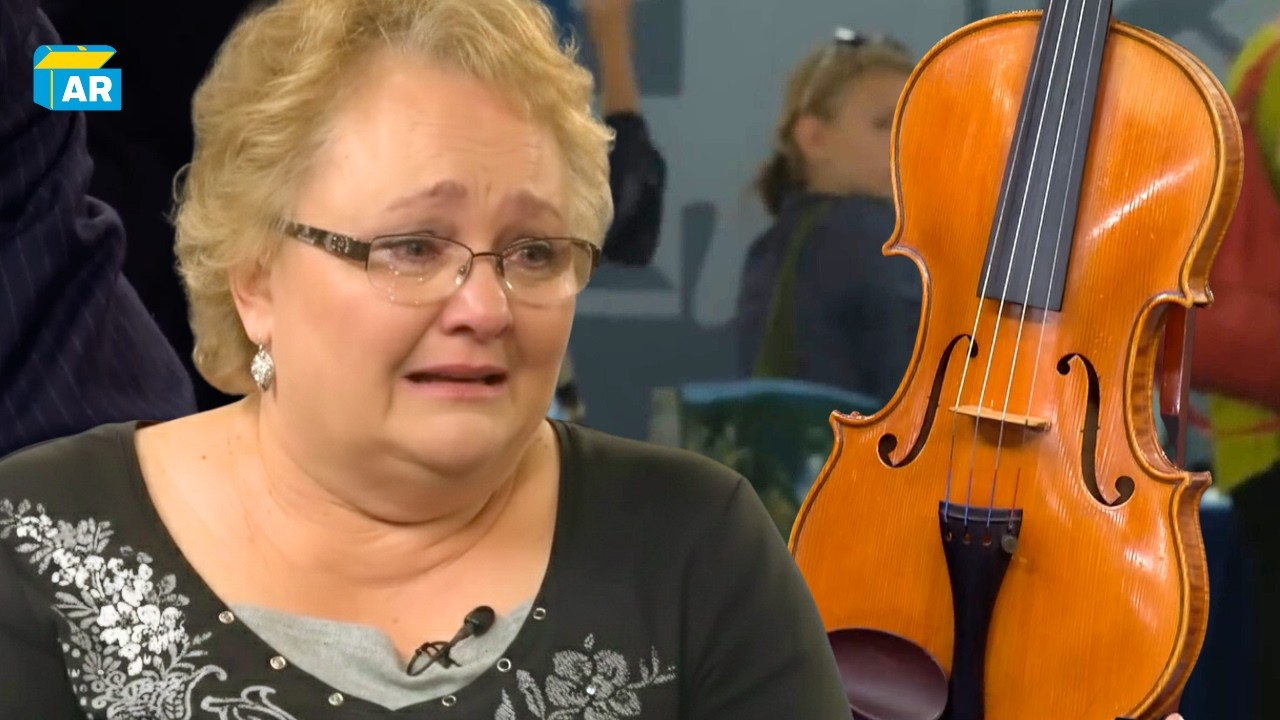
After playing several options, this was the one that stayed.
It cost $1,200, an enormous sum at the time, especially for a student.
For years, the owner believed it was a late 19th-century reproduction, worth perhaps $2,000.
A closer examination told a very different story.
The violin was in fact a Dutch instrument from the Kyper School, made around the 1820s.
Its flamed maple back shimmered under the light, while the spruce belly promised depth and warmth of tone.
The dry, scaly varnish—often misunderstood as wear—was actually a hallmark of Dutch violins from this era.

Even the label inside, claiming an earlier date, was a known deception.
False labels were common, added by later owners or dealers, but craftsmanship never lies.
Today, the violin carries a conservative retail value of $25,000.
Another instrument followed a similar path of quiet misinterpretation.
Purchased in 1968 for $600, it was believed to be an original French violin, though the label raised questions.
It read “J.B.Vuillaume, Paris, 1861,” complete with a signature.
But Jean-Baptiste Vuillaume, one of France’s greatest makers, did not date his labels that way.
He numbered them.
Experts recognized the truth: this violin was made around 1880 by a skilled craftsman from Vuillaume’s workshop after his death.
The quality of the purfling, the flow of the corners, and the overall refinement confirmed it.
Its modern retail value also stands at $25,000, far beyond what anyone once expected.
Family history often weaves itself into these instruments.
A violin brought from East Germany into the West, quietly pᴀssed down, was once estimated at $5,000 to $7,000.
In reality, it was an Italian violin made by Claudio Gambini of Bologna in the early 20th century.
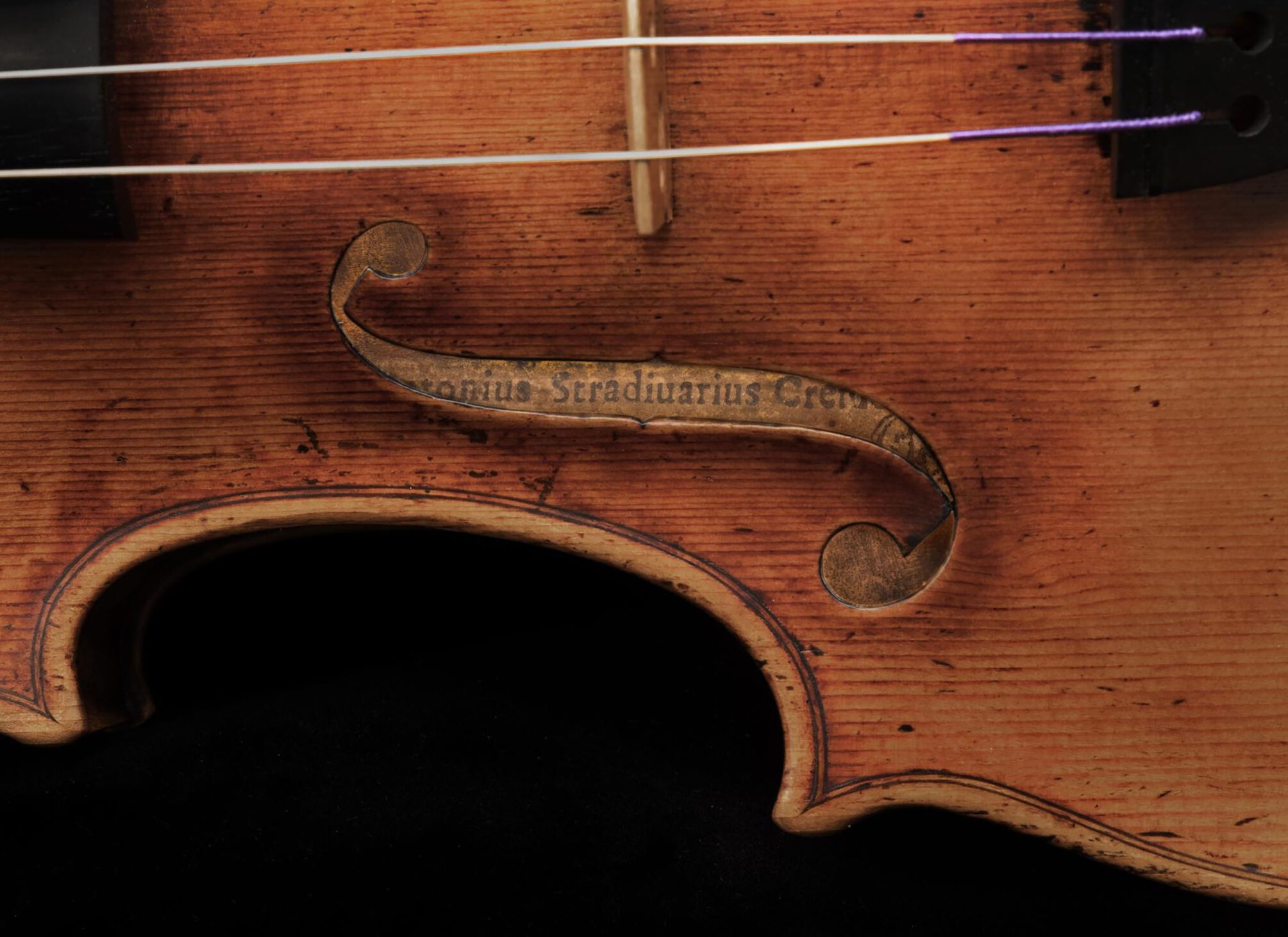
Its raised beaded edges, elongated scroll, and unusually large eye marked Gambini’s hand unmistakably.
The maple back, cut from rare Opio wood native to northern Italy, was not just beautiful—it was acoustically exceptional.
Although it carried a label from the famous Antoniozzi shop, it was never their work.
Shops often labeled instruments made by others to increase prestige.
At auction today, this violin would command between $28,000 and $35,000.
Then came the viola, a true outlier.
Made in 1967 by Ansaldo Poggi of Bologna, it was one of only 41 violas ever produced by this legendary 20th-century maker.
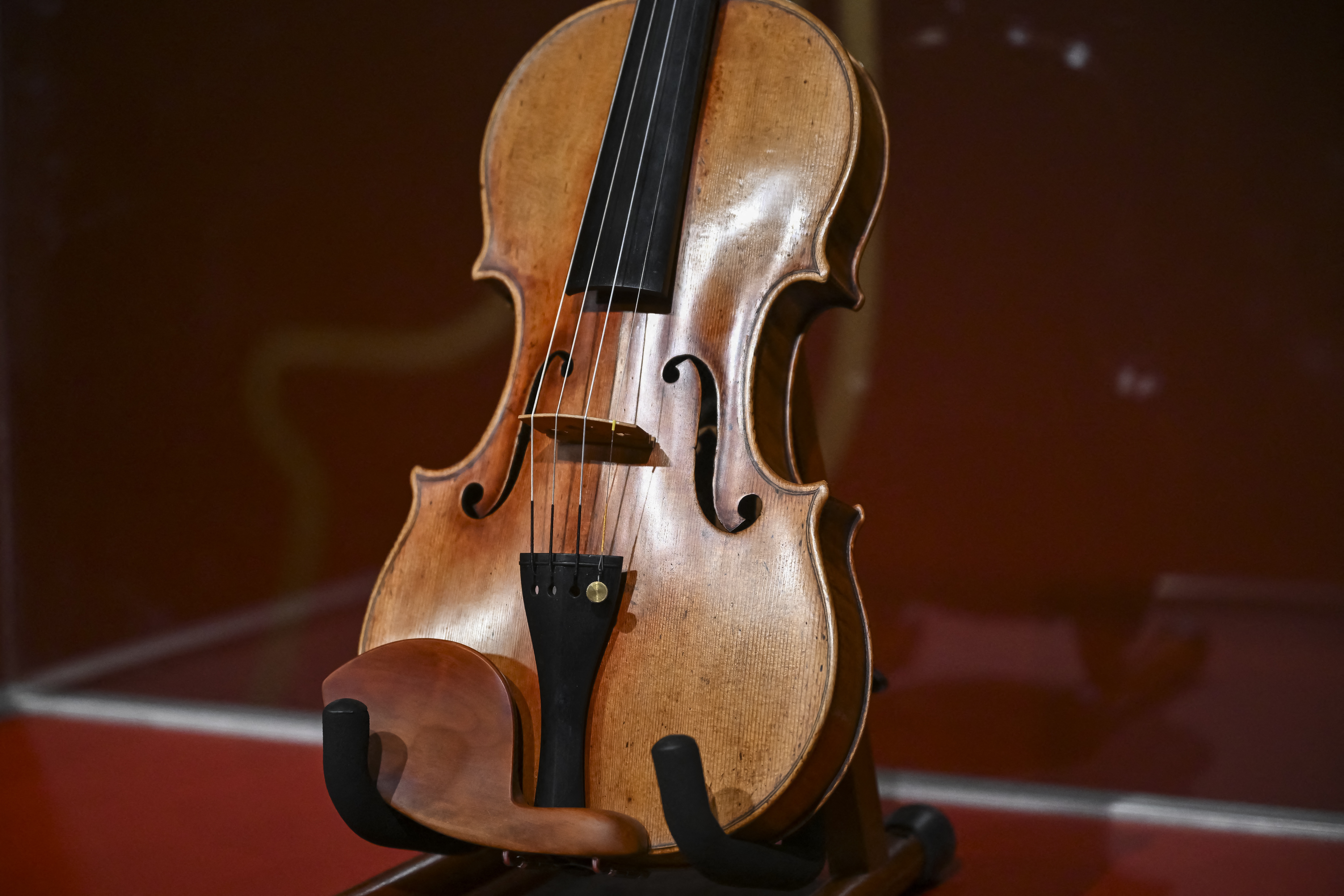
Poggi’s career was shaped by Giuseppe Fiorini, who preserved Stradivari’s tools and legacy.
That influence echoed through Poggi’s obsession with precision, wood quality, and tonal balance.
The spruce top displayed flawless grain.
The flamed maple back extended seamlessly into the scroll and pegbox.
Every mark of wear testified not to neglect, but devotion.
With Poggi violas being exceptionally rare and highly sought after, experts placed its retail value around $200,000, a figure that stunned even seasoned musicians.
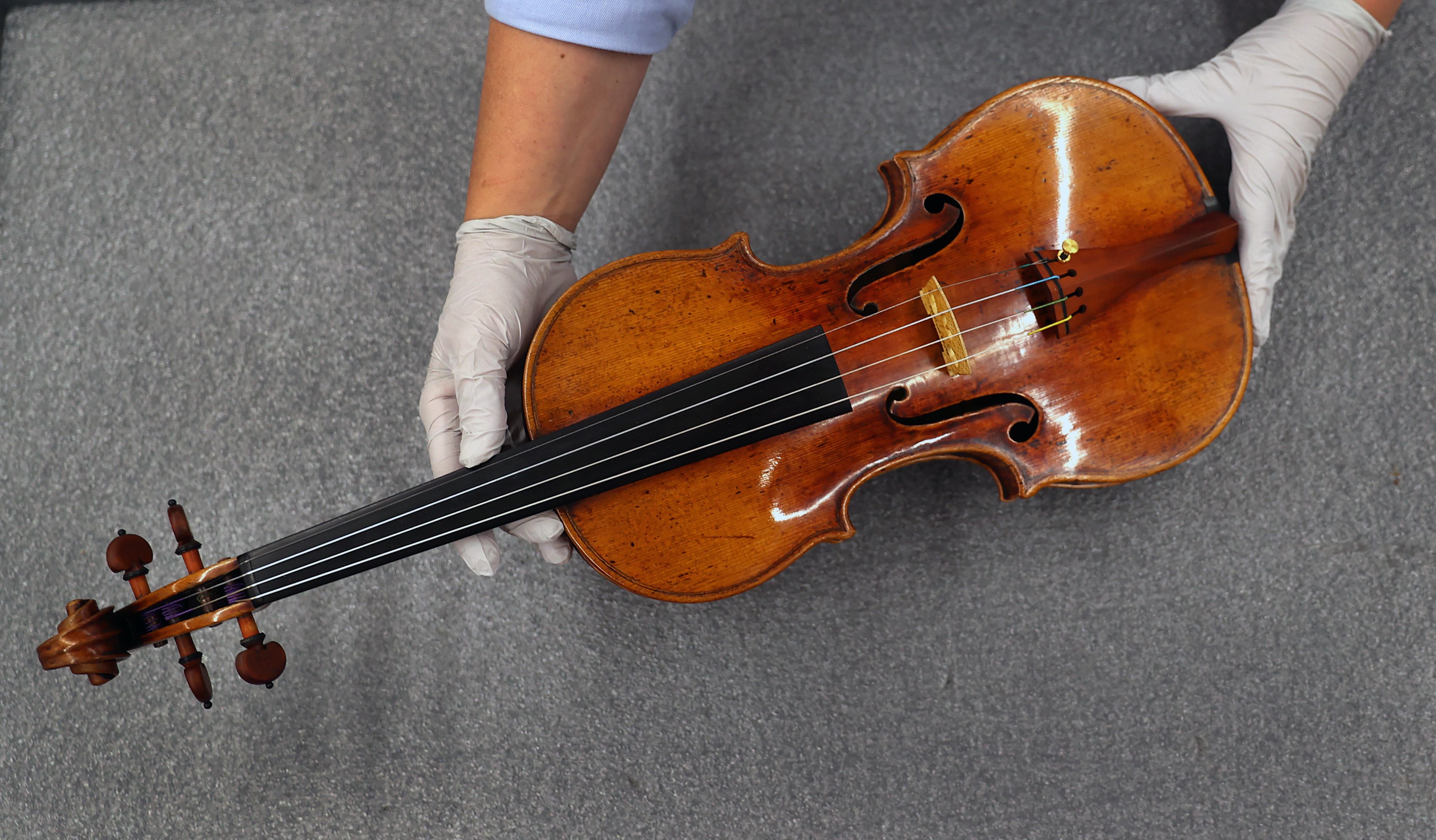
Perhaps the most dramatic leap in value belonged to a mandolin purchased during the Great Depression.
Bought for just $20 so a young boy could learn music, it spent decades tucked away in a farmhouse closet.
The instrument turned out to be a Gibson F-5 mandolin designed by Lloyd Loar, the man widely regarded as the father of the modern mandolin.
Produced between late 1922 and 1924, these instruments redefined mandolin construction, borrowing violin-making principles such as tap-tuned plates, elevated fingerboards, and parallel tone bars.
The fern inlay on the peghead and Cremona sunburst finish confirmed its pedigree.
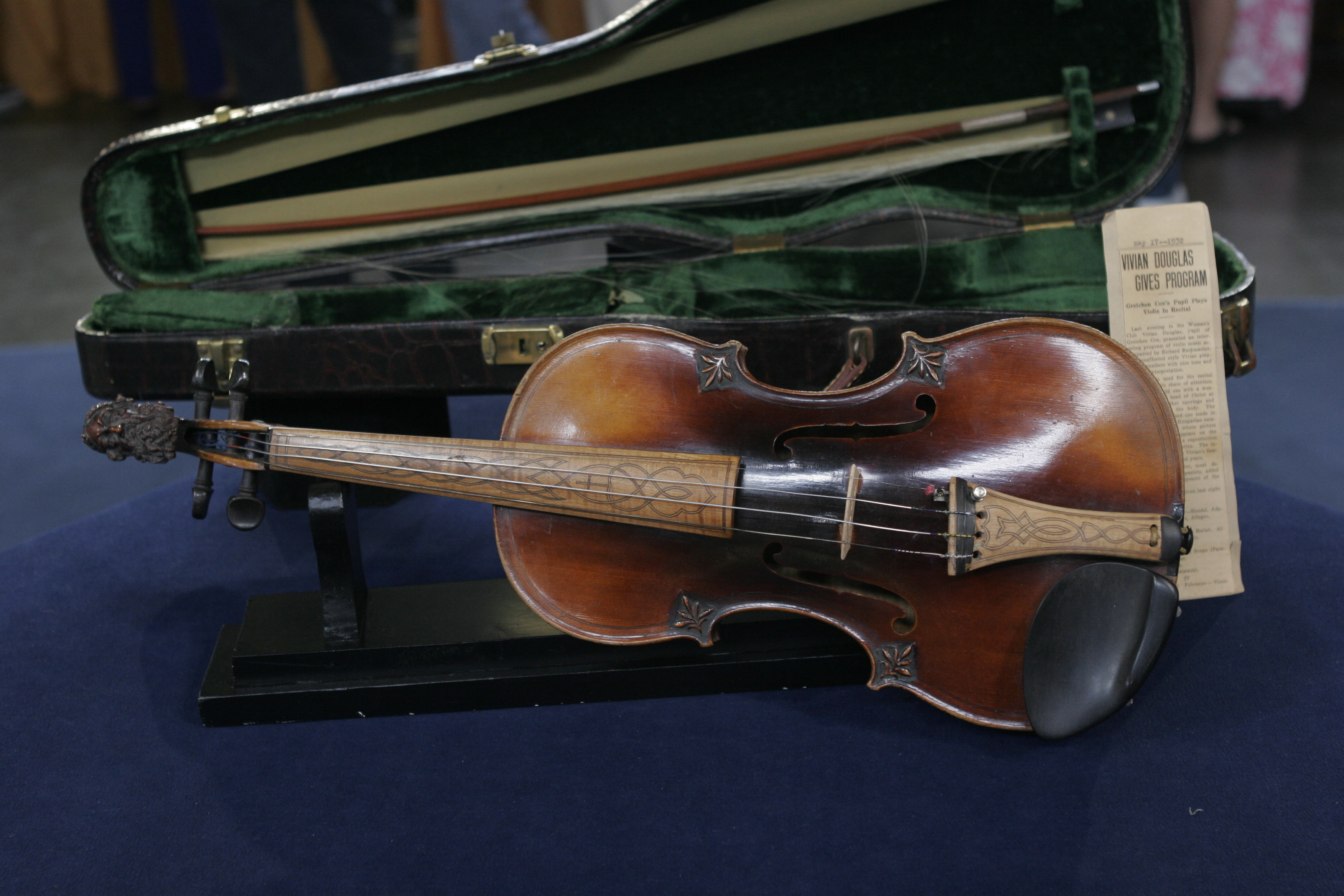
Today, a correct dealer asking price would hover around $175,000.
Not every revelation reached six figures, but each carried emotional weight.
A German violin bought in 1965 for $600 was revealed to be nearly 300 years old, crafted between 1740 and 1750.
Likely made by the Hornsteiner family or a comparable workshop, it followed the Stainer model popular in the 18th century.
Remarkably, it retained its original neck—something rarely seen, as most were replaced to meet modern playing standards.
Instead, this one had been carefully re-angled.
In today’s market, its value rests comfortably between $10,000 and $15,000.
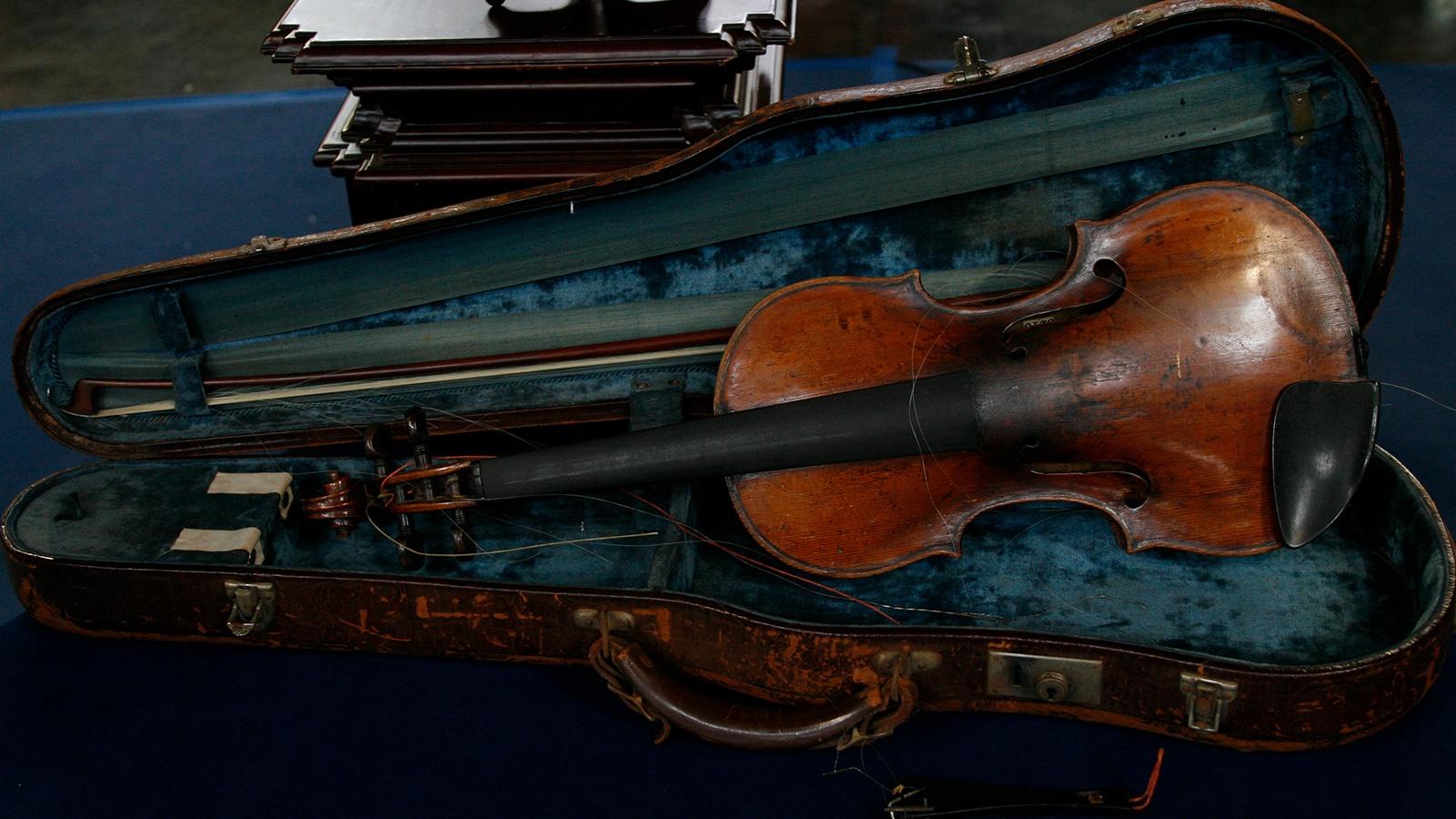
Another family instrument, played lovingly by generations, traced its roots to Czechoslovakia.
Made in 1925 by František Hurlík, it was a copy of a 1690 David Tecchler violin from Rome.
The maple back displayed a striking figure, the spruce belly was perfectly grained, and the condition was exceptional.
Honest, well-made, and musically satisfying, the violin’s retail value stands at $10,000 to $12,000—proof that not every treasure needs a legendary name to matter.
Across all these stories, a single truth emerges.
Labels can deceive.
Prices fade with time.
But craftsmanship endures.
These instruments were never bought as investments.
They were chosen by ear, by feel, by love.
And yet, decades later, they speak again—not just through sound, but through history, rarity, and remarkable worth.


