O.J.Simpson: From American Hero to a Legacy of Darkness
Orenthal James Simpson, widely known as O.J.Simpson, was born on July 9, 1947, in San Francisco, California.
Rising from a modest upbringing, Simpson transformed himself into one of the most electrifying athletes in American sports history.
His speed, power, and charm carried him from college football stardom at the University of Southern California to NFL immortality, where he became the first player to rush for over 2,000 yards in a single season.

For years, he represented excellence, ambition, and possibility.
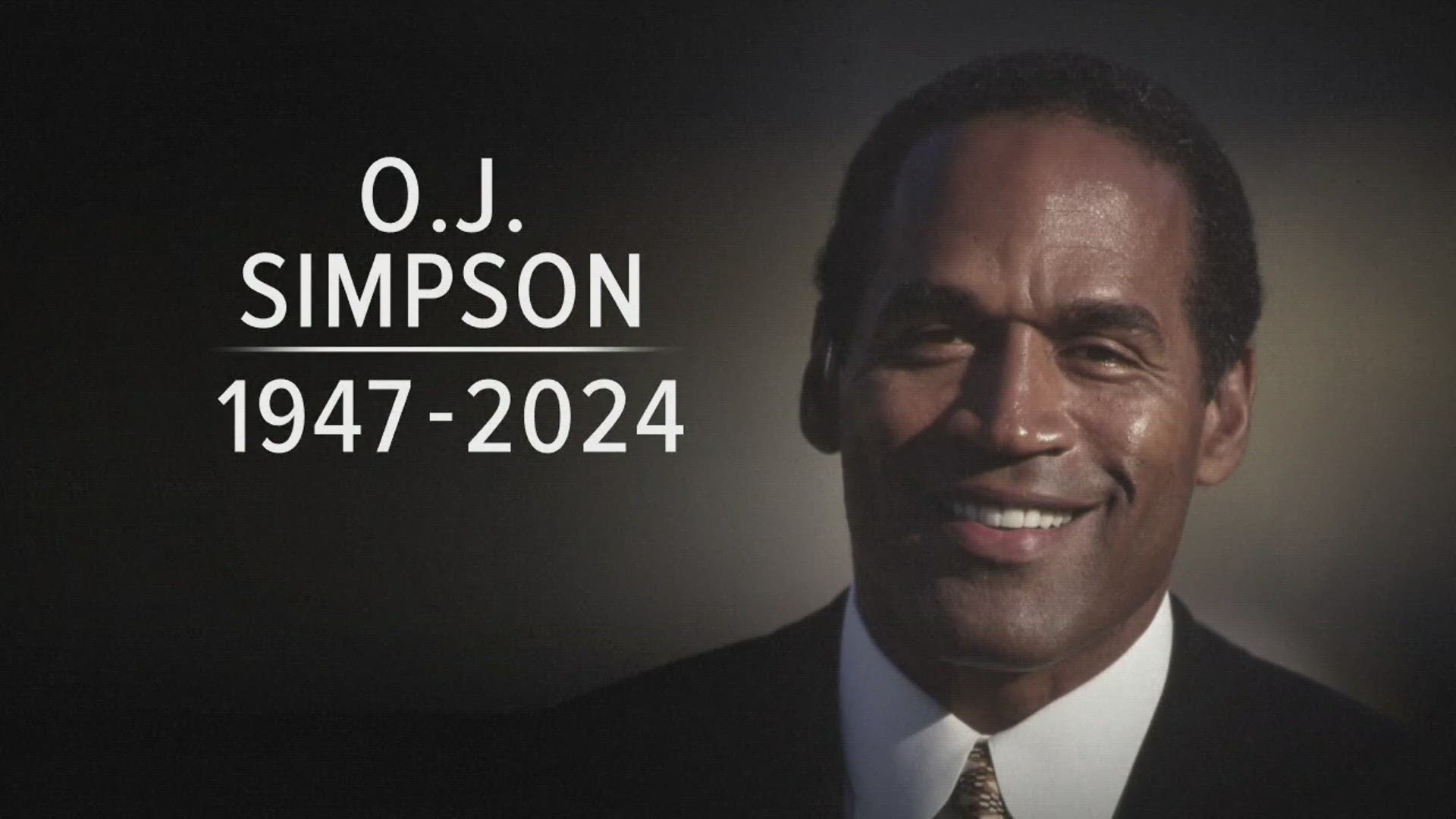
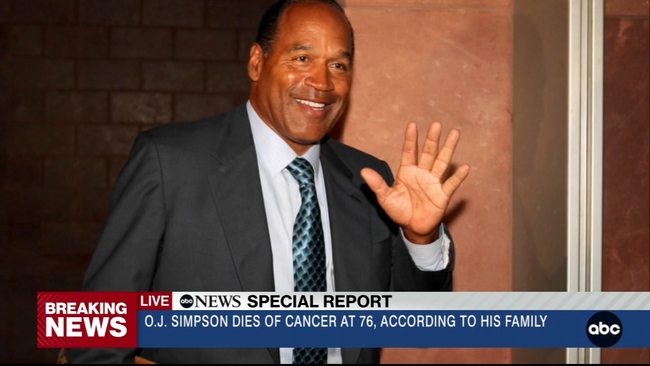
Yet, following his death at the age of 76, it is not his records or trophies that dominate public memory.
Instead, the truth about O.J.Simpson—his private life, his violent relationships, and his long trail of legal battles—has resurfaced with renewed intensity.
Simpson’s personal life was turbulent from the start.
His first marriage to Marguerite Whitley began in 1967 when both were barely out of their teens.

Together, they had three children, but tragedy struck when their youngest daughter, Aaren, drowned in the family pool just before her second birthday.
The loss devastated the family and added strain to an already volatile marriage marked by separations, infidelity, and emotional conflict.
Their divorce was finalized in 1979, followed by years of financial disputes and court battles over child support.
Not long after, Simpson’s relationship with Nicole Brown would come to define his life in the public consciousness.
They married in 1985 and had two children, but their union was plagued by repeated allegations of domestic violence.
Police records, 911 calls, and witness testimonies later painted a grim picture of control, fear, and abuse.
Though they divorced in 1992, their relationship continued in cycles of reconciliation and conflict, leaving those close to Nicole deeply worried for her safety.
Those fears became reality on the night of June 12, 1994, when Nicole Brown Simpson and her friend Ron Goldman were brutally murdered outside her Brentwood home.
The crime shocked the nation.
Simpson was charged with the murders, triggering what would become known as “the trial of the century.”
Broadcast endlessly across television screens, the case exposed deep racial, cultural, and insтιтutional divisions in America.
After 11 months, Simpson was acquitted of criminal charges, a verdict that stunned millions.
Yet public opinion remained sharply divided, and for many, the questions never went away.
In 1997, a civil jury found Simpson liable for the wrongful deaths of Nicole Brown Simpson and Ron Goldman, ordering him to pay millions in damages.
Financially ruined, Simpson spent years fighting judgments, selling memorabilia, and relocating to Florida to protect his pension.
Despite claiming to seek a quieter life, Simpson’s legal troubles continued.
In 2007, he was arrested in Las Vegas for an armed robbery involving sports memorabilia.
This time, there would be no escape.
Convicted on multiple felony counts, he was sentenced to 33 years in prison, with parole eligibility after nine.
He was released in 2017 and fully discharged from parole in 2021.
In his later years, Simpson reportedly turned toward spirituality, exploring religion while in prison and presenting himself as a changed man.
Yet skepticism followed him to the end.
For many, redemption never truly arrived.
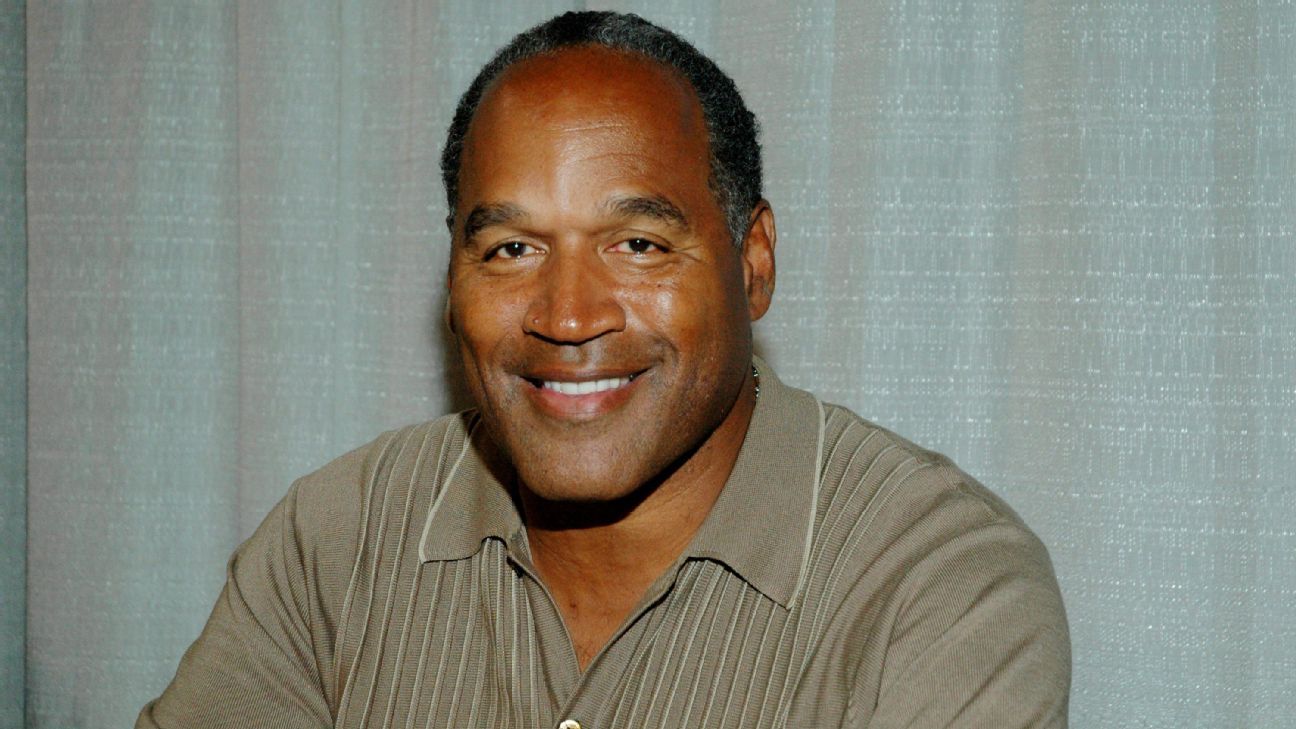
O.J.Simpson’s life is now viewed as a cautionary tale: a story of extraordinary talent overshadowed by unchecked power, violence, and moral collapse.
His death closes a chapter, but it does not silence the questions, the pain, or the legacy he leaves behind.
Once hailed as a hero, Simpson will be remembered as one of the most unsettling figures in American history—a man whose public smile concealed a far darker truth.


