Mexican Military Storms CJNG “Mencho Fest” as Cartel Power Clashes With the State
For years, Mexico’s Jalisco New Generation Cartel (CJNG) has operated with near-total impunity across vast stretches of the country.
Entire towns have bent to its will, either through terror, bribery, or desperation.
But in January 2026, that illusion of untouchability cracked when President Claudia Sheinbaum ordered a bold and unprecedented move: the Mexican military was sent to shut down a cartel-sponsored celebration openly honoring CJNG’s elusive leader, Nemesio Oseguera Cervantes—better known as El Mencho.

The operation targeted an event locals had come to call “Mencho Fest,” held in the town of Tanhuato de Vargas in Michoacán.
What had once been a humble religious festival celebrating a patron saint had, over the years, been completely hijacked by the cartel.
Fireworks lit up the sky beneath CJNG banners, bands were paid for with narco money, and mᴀssive displays paid tribute not to faith—but to one of the most feared criminals in the Western Hemisphere.
For decades, January 16th was a deeply spiritual day for the town.
Families gathered near the church to pray, dance, and seek protection from saints in a region long plagued by violence.
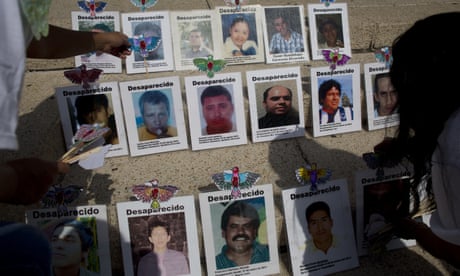
But as the CJNG expanded its grip, it began quietly funding the celebration.
At first, the money seemed like a blessing—free food, better music, bigger festivities.
Over time, the religious meaning eroded.
By 2025, the transformation was complete.
Videos circulated online showing fireworks towers emblazoned with CJNG initials, banners bearing El Mencho’s image, and tributes to fallen cartel commanders.
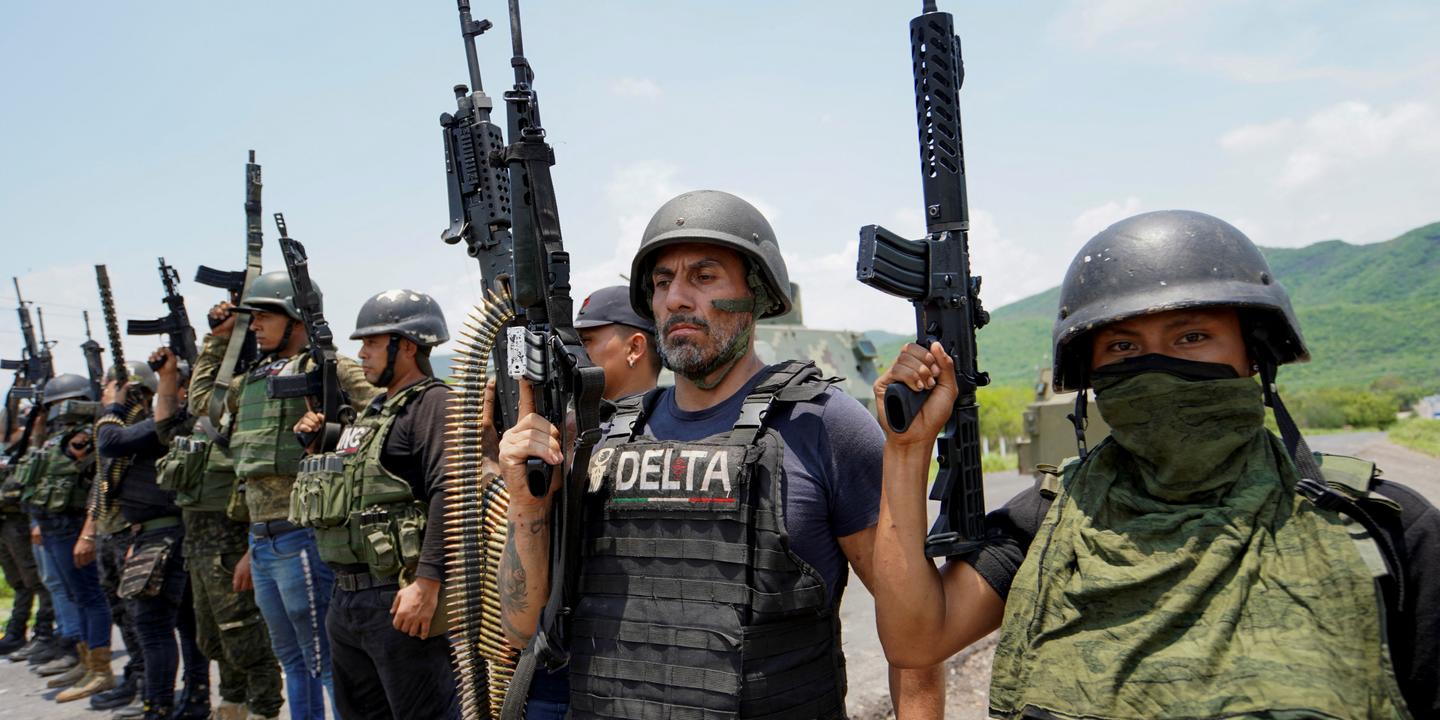
The message was unmistakable: the cartel, not the church or the government, was in charge.
President Sheinbaum responded decisively.
Hundreds of troops from the army, navy, and National Guard were deployed to dismantle the event.
Soldiers tore down cartel banners, confiscated fireworks, and removed imagery glorifying CJNG leadership.
Within hours, Mencho Fest was effectively shut down.
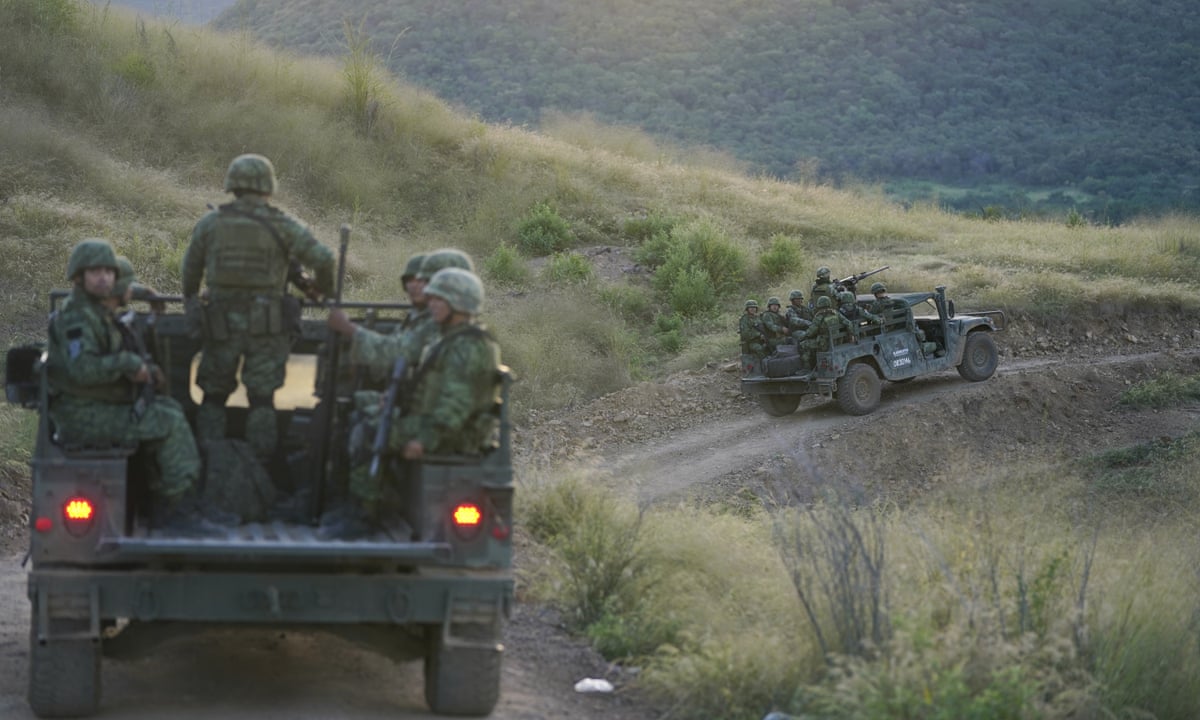
But what happened next stunned authorities.
Instead of welcoming the intervention, groups of residents confronted the troops.
Protests erupted.
Demonstrators demanded that the military leave and allow the cartel celebration to continue.
Tensions escalated so far that a truck was set ablaze outside a military facility, fireworks were launched toward soldiers, and a two-hour standoff unfolded.

The sight of civilians defending a cartel against their own government raised a deeply unsettling question: why would communities terrorized by narco violence protect the very groups responsible?
The answer lies in a harsh reality.
In many regions of Mexico, the government is absent—or arrives too late.
Cartels like the CJNG have filled that vacuum, acting as a shadow government.
They distribute food, fund festivals, pay medical bills, and provide disaster relief.

After devastating floods in late 2025 that affected over 70 municipalities, cartel members were filmed handing out food baskets and household appliances—often before federal aid arrived.
These gestures are not acts of kindness.
They are calculated investments in loyalty.
By stepping in during crises, cartels weaponize charity.
Accept the help, and you’re unlikely to cooperate with authorities.
Reject it, and the consequences can be ᴅᴇᴀᴅly.
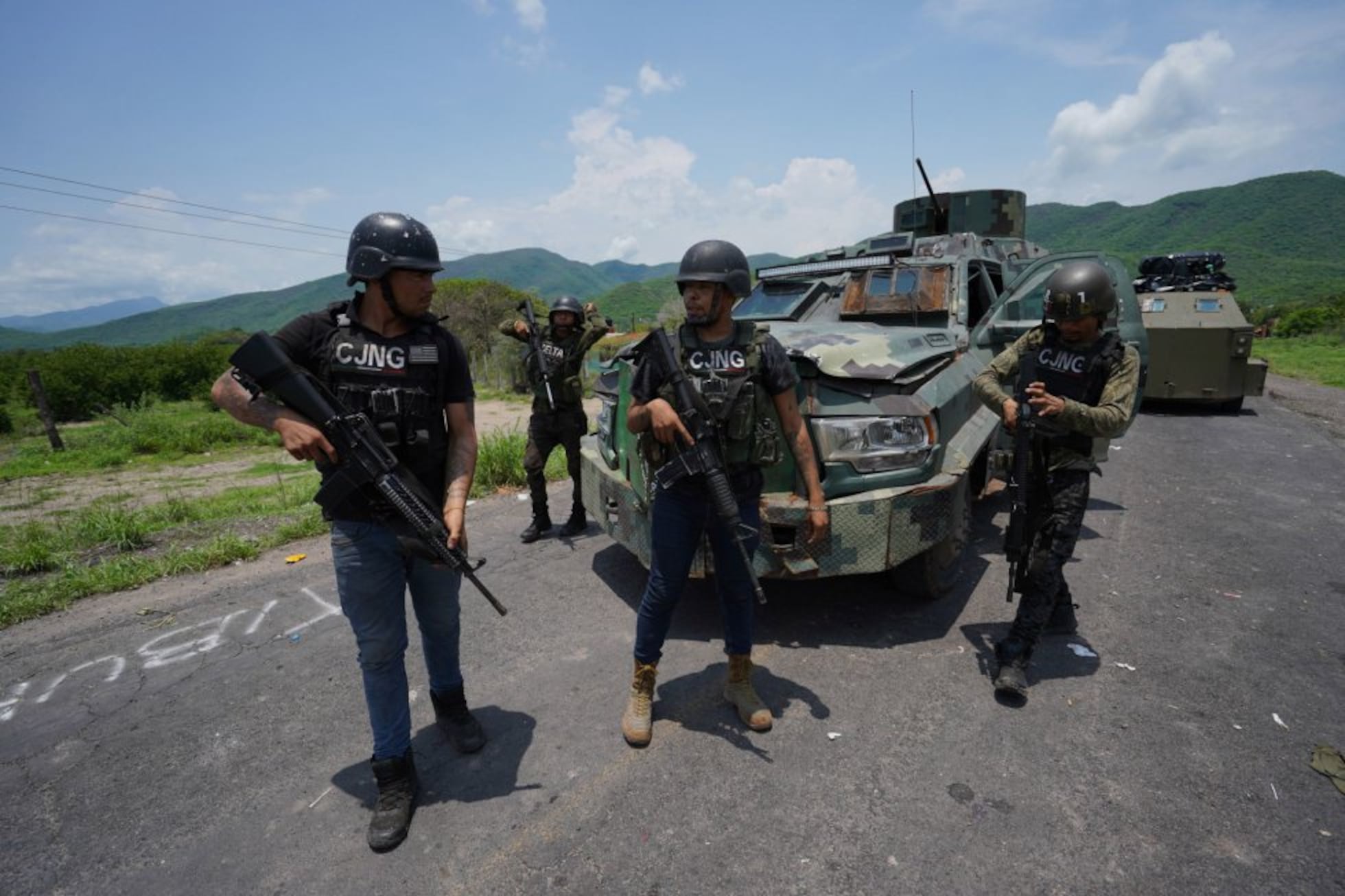
Over time, fear and dependency blur into allegiance.
Only days after civilians protested to protect Mencho Fest, reality struck with brutal force.
On January 25, 2026, gunmen stormed a soccer field in Salamanca, Guanajuato, opening fire on spectators with high-powered rifles.
More than 100 rounds were unleashed in seconds.
When the smoke cleared, 11 people were ᴅᴇᴀᴅ and at least 12 more wounded, including a woman and a child.
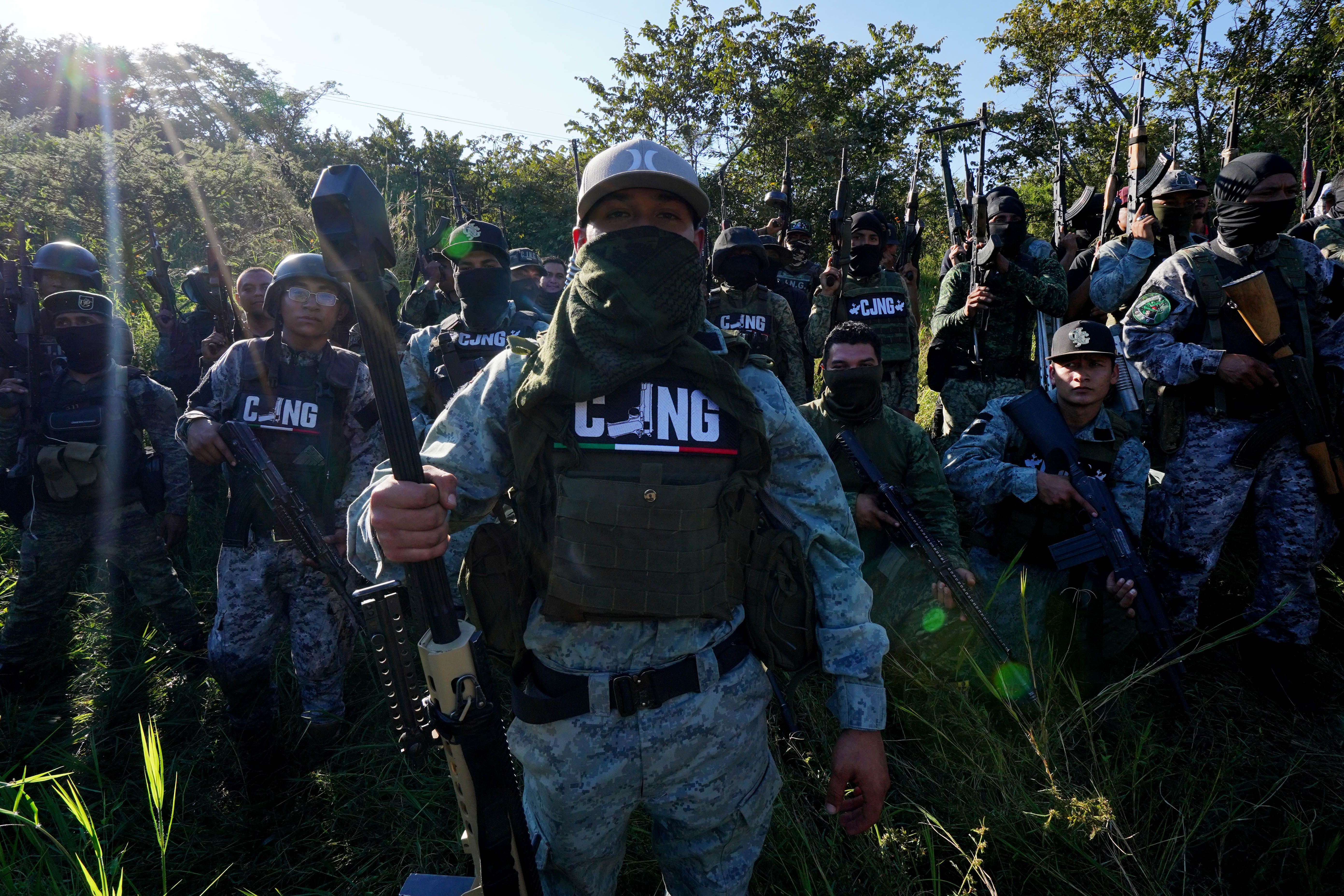
The attackers vanished before security forces arrived, leaving behind bloodstains, bullet-riddled walls, and shattered lives.
Authorities believe the mᴀssacre was part of the ongoing turf war between the CJNG and the Santa Rosa de Lima cartel—one of Mexico’s most violent criminal feuds.
Several victims were reportedly linked to a private security firm with alleged CJNG ties, underscoring how deeply organized crime has penetrated civilian life.
The Salamanca mᴀssacre is just one chapter in a conflict that has claimed over 300,000 lives in less than 15 years.
Even the arrest of major cartel bosses has failed to bring stability.
José Antonio Yépez Ortiz, known as El Marro, the jailed leader of Santa Rosa de Lima, is still believed to be directing operations from behind bars through lawyers and relatives.
This revelation is a devastating blow to government claims of progress.
If cartel leaders can continue ordering mᴀss killings from prison, arrests alone are little more than symbolic victories.
The Mencho Fest crackdown exposed a grim truth: Mexico is not just fighting cartels—it is fighting for the loyalty of its own people.
When citizens trust criminal organizations more than the state, military force alone cannot restore order.

President Sheinbaum’s decision signaled a shift toward confrontation rather than accommodation.
But as the mᴀssacre in Salamanca shows, dismantling cartel power will come at a terrible cost.
Until the government can provide security, justice, and basic services more effectively than the cartels, communities will remain trapped between fear and false protection.


