In a stunning turn of events that has left many questioning the integrity of the judicial system, a Minnesota jury recently delivered a unanimous guilty verdict against Abdifatah Yusuf in a Medicaid fraud case involving millions of dollars.
After weeks of testimony and evidence showcasing a web of deceit, including $400,000 in cash withdrawals and a so-called “healthcare company” that was merely a P.O. Box, the jury took just four hours to reach their decision.
However, the story took an unexpected twist when Judge Sarah West issued a judgment of acquittal, effectively erasing the jury’s verdict.
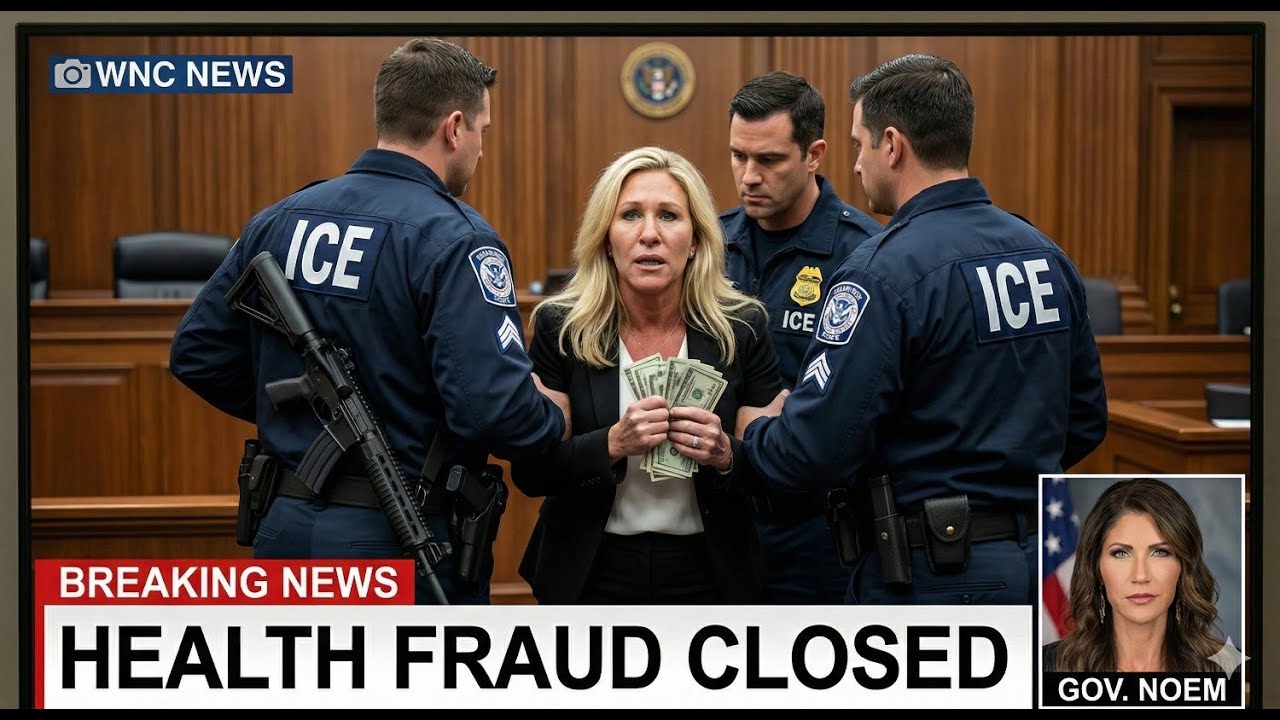
This unprecedented move has sparked outrage and deep concern about the state of the Minnesota legal system.
What led to this shocking decision?
How did a case that seemed so clear-cut unravel so quickly?
In this article, we will delve into the details of the Promise Health fraud case, explore the implications of Judge West’s ruling, and examine the ensuing federal intervention by agencies such as the FBI and ICE.
The “Mailbox” Clinic: How Promise Health Operated
At the heart of this scandal is Promise Health, a supposed healthcare provider that turned out to be a façade for fraudulent activities.
Operating out of a P.O. Box, the organization exploited the Medicaid system, siphoning off taxpayer dollars under the guise of providing essential health services.
The evidence presented during the trial painted a grim picture of a well-orchestrated scheme that preyed on vulnerable populations.
Witnesses testified about the lavish lifestyles enjoyed by Yusuf and his ᴀssociates, funded by the fraudulent claims submitted to Medicaid.
Luxury mansions, designer jewelry, and extravagant vacations were all part of the lifestyle that Yusuf maintained while defrauding the very system designed to help those in need.

The Jury Speaks: Why the 4-Hour Verdict Was “Easy”
The jurors in this case described their deliberation as straightforward, with many stating that the evidence was overwhelming.
They were presented with detailed financial records, witness testimonies, and expert opinions that clearly demonstrated the fraudulent nature of Promise Health’s operations.
In just four hours, the jury reached a unanimous verdict, signaling their belief in the prosecution’s case and their commitment to holding Yusuf accountable for his actions.
The decision was not just about punishing one individual; it was about sending a message that fraud against the Medicaid system would not be tolerated.
The Legal Loophole: What is a “Judgment of Acquittal”?
In legal terms, a “judgment of acquittal” is a ruling by a judge that the evidence presented is insufficient to support a conviction.
This legal maneuver allows a judge to overturn a jury’s verdict, raising questions about the balance of power within the judicial system.
Judge West’s decision to issue this judgment came as a shock to many, especially considering the jury’s clear and decisive ruling.
Critics argue that such power should not rest solely in the hands of a single individual, especially when a jury has performed its duty and reached a verdict based on the evidence presented.
The implications of this ruling are far-reaching, challenging the very foundation of the judicial process and raising concerns about judicial accountability.

Federal Intervention: Why the FBI and ICE Are Now Involved
In the wake of the judge’s controversial decision, federal agencies have stepped in to take over the investigation, signaling a shift in the handling of this case.
The FBI and ICE are now involved, highlighting the seriousness of the allegations and the potential for broader implications beyond Minnesota.
Federal intervention often indicates that the case may involve larger networks of fraud or corruption, and the involvement of these agencies suggests that the Promise Health case could be just the tip of the iceberg.
As federal authorities dig deeper, there may be more revelations about the extent of the fraud and the individuals involved.
This shift raises questions about the efficacy of state-level investigations and whether the Minnesota legal system is equipped to handle such complex cases.

Is the Minnesota Legal System at a Breaking Point?
The Promise Health case has sparked a broader conversation about the state of the Minnesota legal system.
With the judge’s ruling causing an uproar and federal authorities stepping in, many are left wondering if the system is at a breaking point.
Critics argue that the ruling undermines public trust in the legal process and raises concerns about the accountability of judges.
If a jury’s verdict can be so easily overturned, what does that mean for the integrity of future cases?
The implications of this case extend beyond just one individual; they touch upon the fundamental principles of justice and accountability that are essential to a functioning democracy.
Conclusion: Following the Money and the Corruption
As this case continues to unfold, it serves as a stark reminder of the vulnerabilities within the healthcare system and the potential for exploitation.
The lavish lifestyles funded by fraudulent claims highlight the urgent need for reform and oversight within Medicaid and similar programs.
With federal agencies now involved, it remains to be seen what further revelations will come to light and how they will impact the ongoing investigation.
As the public watches closely, the question remains: Should a judge have the power to overturn a unanimous jury?
This case has opened the floodgates for discussions about judicial accountability, the power dynamics within the legal system, and the importance of protecting taxpayer dollars from fraud.
The Promise Health scandal is not just a story about one man’s greed; it is a cautionary tale about the need for vigilance in the face of corruption and the importance of upholding the principles of justice.
As we follow the money and the unfolding drama, one thing is clear: the fight for accountability in the Minnesota legal system is far from over.


