Pope Leo XIV’s Call for Unity Sends Shockwaves Through the Catholic World
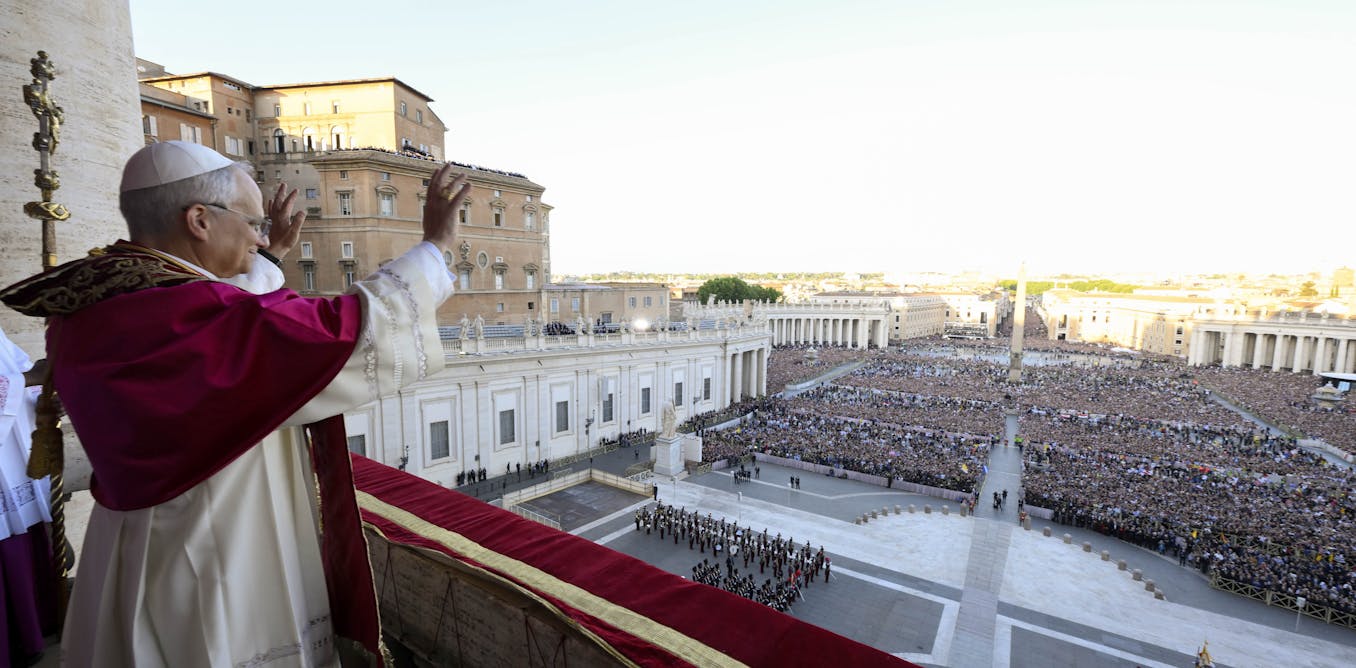
When Pope Leo XIV stood before the world, most Catholics expected a familiar message about faith, charity, or perseverance.
Instead, the first American-born pope delivered words that instantly reverberated across churches, homes, and online communities worldwide.
He openly called for full communion between the Roman Catholic Church and the Orthodox Church—a division that has endured since the year 1054.

For many believers, this was not just surprising.
It was seismic.
The split between Catholics and Orthodox Christians is one of the oldest and most painful fractures in Christian history.
For nearly a thousand years, the two churches have lived as separated brothers—sharing the same roots, the same sacraments, and the same creed, yet unable to share the same Eucharistic table.
Pope Leo XIV’s decision to address this divide head-on has reopened conversations many thought would remain permanently unresolved.
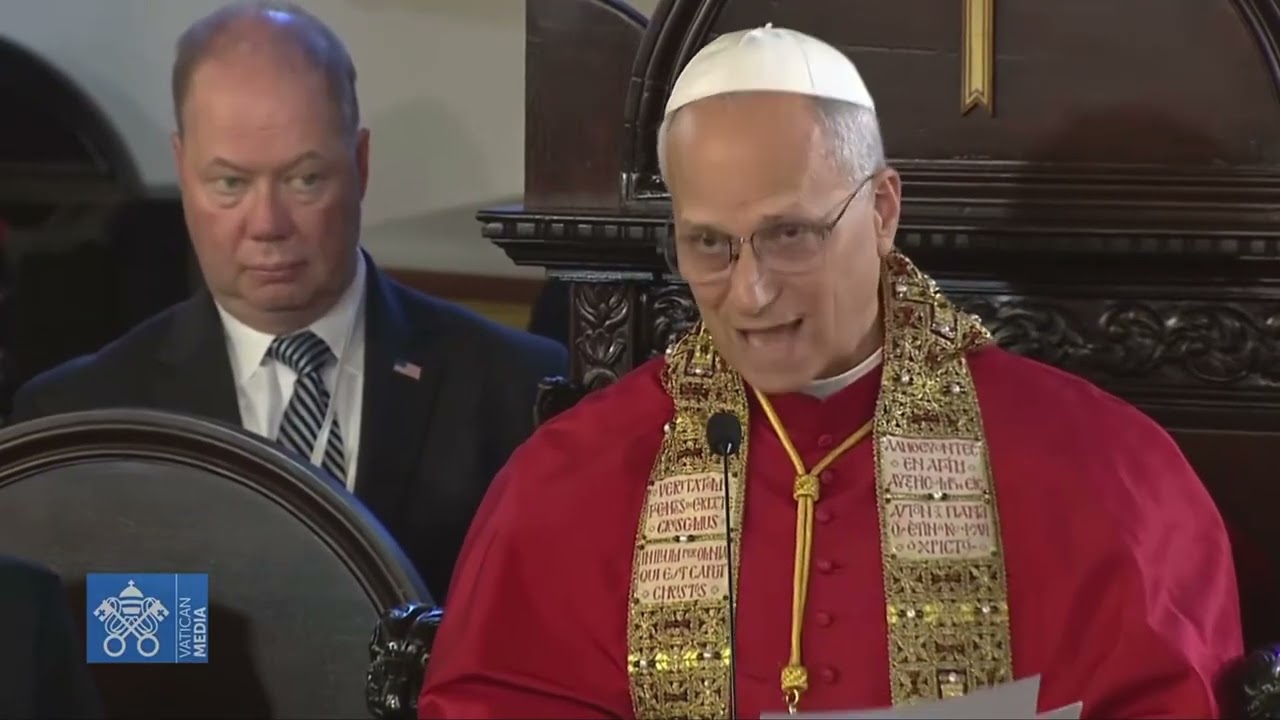
To understand why his words shocked millions, one must look back to Christianity’s earliest centuries.
For the first thousand years, there was one unified church.
Bishops from Rome, Constantinople, Alexandria, Antioch, and Jerusalem gathered together in councils, prayed together, and defended the faith together.
The Nicene Creed Catholics recite at Mᴀss today is the same creed Orthodox Christians proclaim in their Divine Liturgy.
East and West were once one body.

That unity collapsed in 1054 amid cultural differences, theological disputes, and, most critically, disagreements over authority.
Mutual excommunications were issued.
Families, cities, and entire regions were divided.
From that moment on, Catholics and Orthodox could no longer receive communion together.
Over centuries, the separation hardened into normalcy.

Yet neither church abandoned the faith.
Both preserved apostolic succession, the sacraments, reverence for Mary and the saints, and belief in the resurrection of Christ.
They did not become enemies in belief—but brothers estranged by history, pride, and misunderstanding.
A major turning point came in 1965, when Pope Paul VI and Patriarch Athenagoras I met in Jerusalem and lifted the mutual excommunications of 1054.
While this historic gesture did not restore full communion, it removed the formal curse that had lingered for nine centuries and opened the door to dialogue.
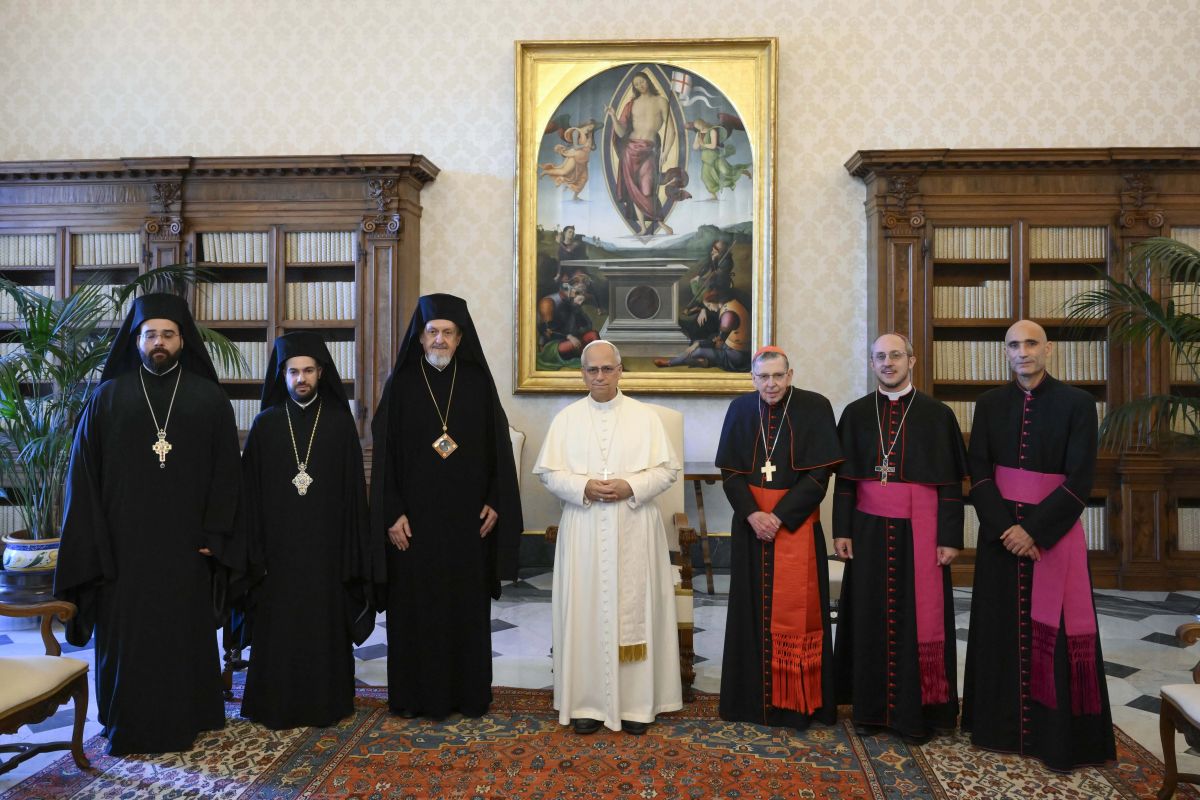
Since then, theological commissions and regular meetings have brought the two sides closer—yet full unity remained elusive.
That is the moment Pope Leo XIV stepped into.
Born Robert Francis Prevost in Chicago in 1955, Pope Leo XIV brings a perspective shaped not only by theology but by lived experience.
As a missionary priest in Peru, he served among the poor and marginalized, where faith was not theoretical but essential for survival.
Later, as head of the Augustinian order and then as a Vatican leader overseeing bishops worldwide, he developed a global vision of the Church’s challenges.
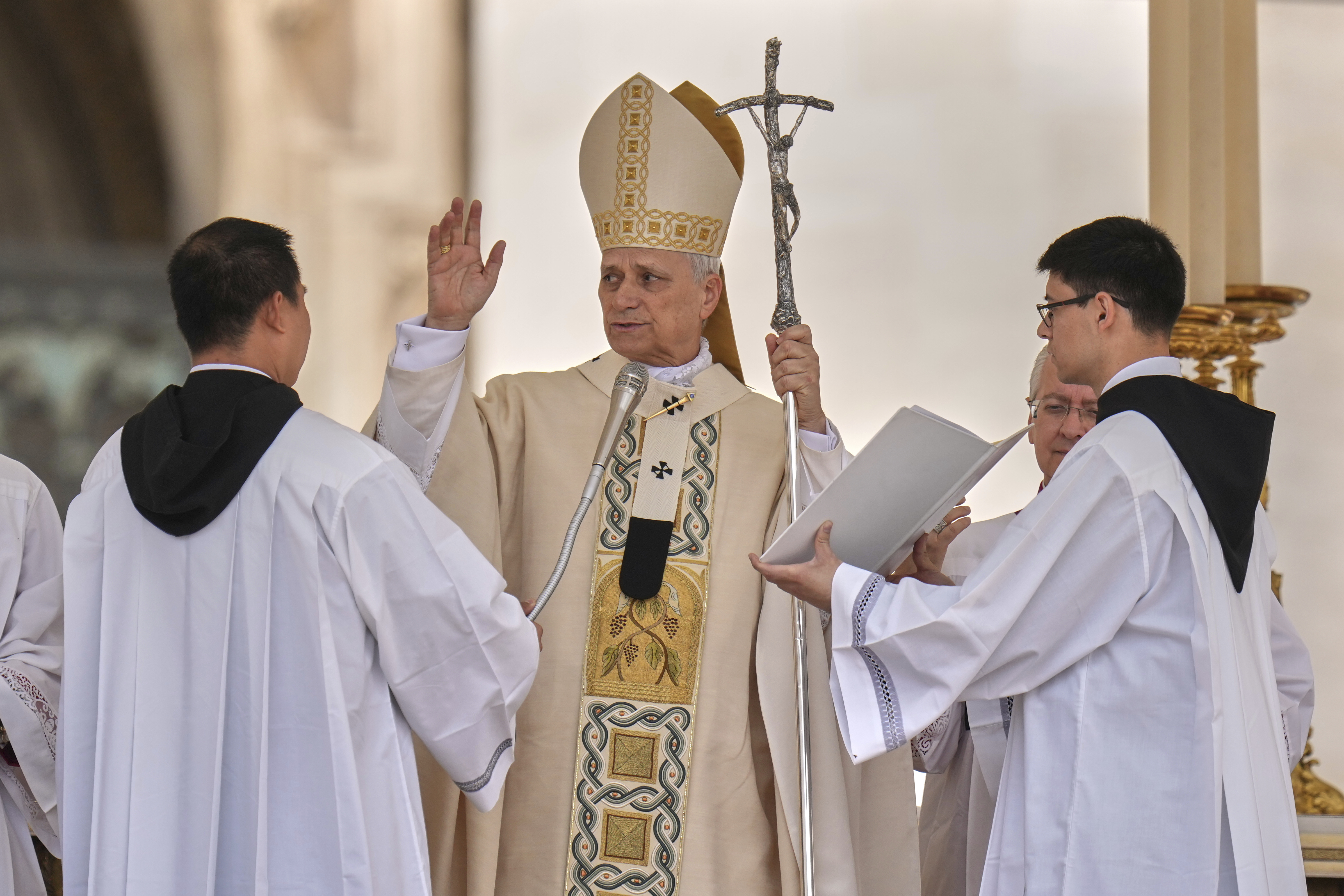
When he finally addressed Catholic–Orthodox relations, Pope Leo XIV spoke carefully and deliberately.
He honored the shared apostolic roots of both churches and called the events of 1054 what he believed they truly were: a tragedy, not a necessary or justified division.
He acknowledged that pride and misunderstanding fractured something that should have remained whole.
Then came the moment that stunned the world.
He urged Catholic and Orthodox leaders to renew dialogue with fresh urgency and remove the remaining obstacles to full communion.
He emphasized that unity does not mean uniformity.
Catholics would not lose their traditions.
Orthodox Christians would not abandon theirs.
Full communion, he said, would mean walking together as equals—distinct, yet united in faith.
Pope Leo XIV framed his call not only as a spiritual imperative, but as a matter of survival.
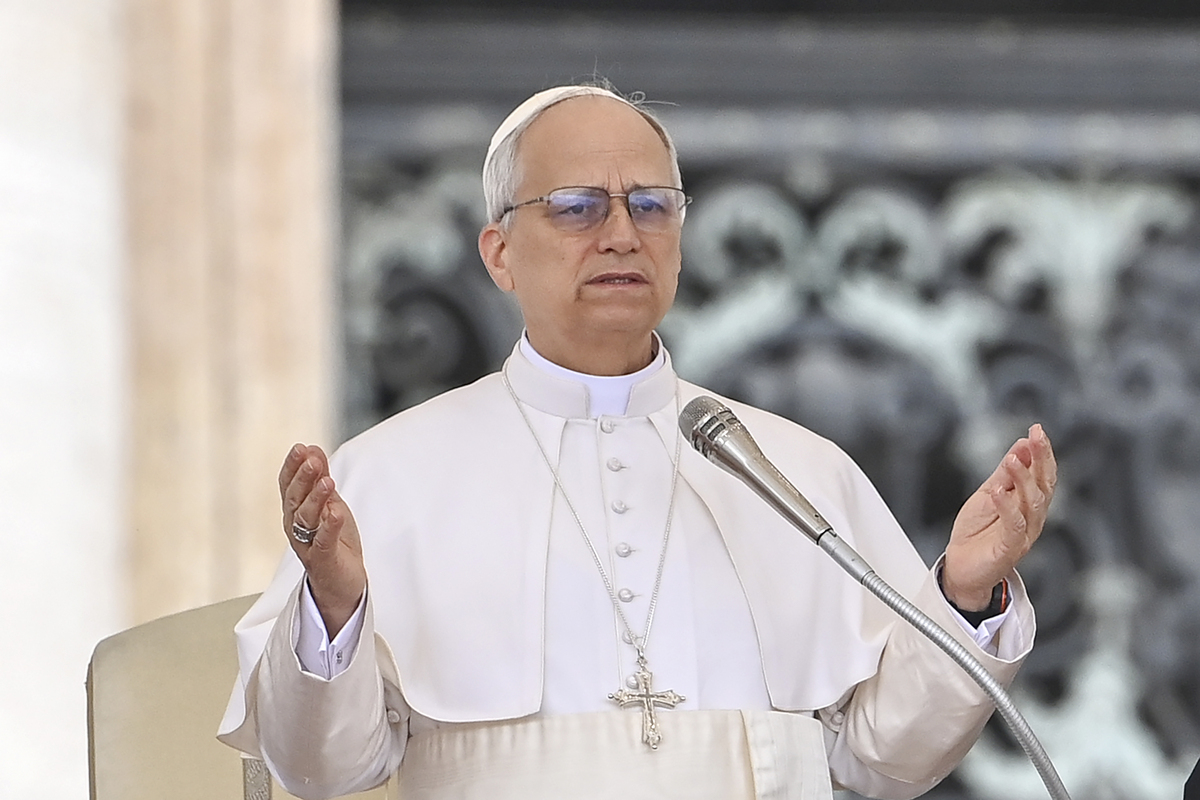
He pointed to wars, humanitarian crises, environmental destruction, technological upheaval, and global instability.
In a fractured world, he argued, Christians cannot afford to remain divided.
No single church can face these challenges alone.
Reactions were immediate and intense.
Some Catholics felt profound hope.
In a world divided by politics, culture, and ideology, the idea that a thousand-year-old separation could be healed felt almost miraculous.

Others reacted with fear and confusion, wondering what such unity might mean for their parishes, traditions, and idenтιтy.
Many American Catholics, unfamiliar with Orthodox Christianity, suddenly found themselves asking questions they had never considered.
Priests fielded difficult conversations.
Families debated over dinner tables.
Online communities erupted with both excitement and anxiety.
Yet beyond theology, Pope Leo XIV’s message carried broader lessons.
It modeled courage—speaking when silence would be safer.
It demanded humility—acknowledging shared responsibility for division.
It redefined unity—not as erasing idenтιтy, but honoring difference.
And it emphasized patience—recognizing that healing centuries-old wounds takes time.
Above all, it offered hope.
Hope that division is not destiny.
Hope that reconciliation, even after a thousand years, is possible.
And hope that a fractured world can still learn to walk together.
Whether Pope Leo XIV’s call leads to full communion in our lifetime remains uncertain.
But one thing is clear: by breaking the silence, he has changed the conversation forever.


