😱 What the Preliminary Report Doesn’t Want You to Know About the Greg Biffle Crash: A Shocking Revelation! 😱
In the world of aviation, accidents often serve as a stark reminder of the complexities involved in flying.
The recent crash of Greg Biffle’s Cessna Citation 550 has brought to light numerous discussions that extend far beyond the immediate mechanical failures or pilot errors.
This incident raises critical questions about the aircraft’s operational environment, the qualifications of the crew, and the inherent risks of flying older jet models.
While many analyses focus on thrust reversers and other mechanical systems, this article aims to shed light on an aspect that has been largely overlooked: the importance of crew structure and cockpit management in the face of ambiguous system behavior.
The preliminary report reveals that this aircraft was designed to be managed by two fully qualified pilots.
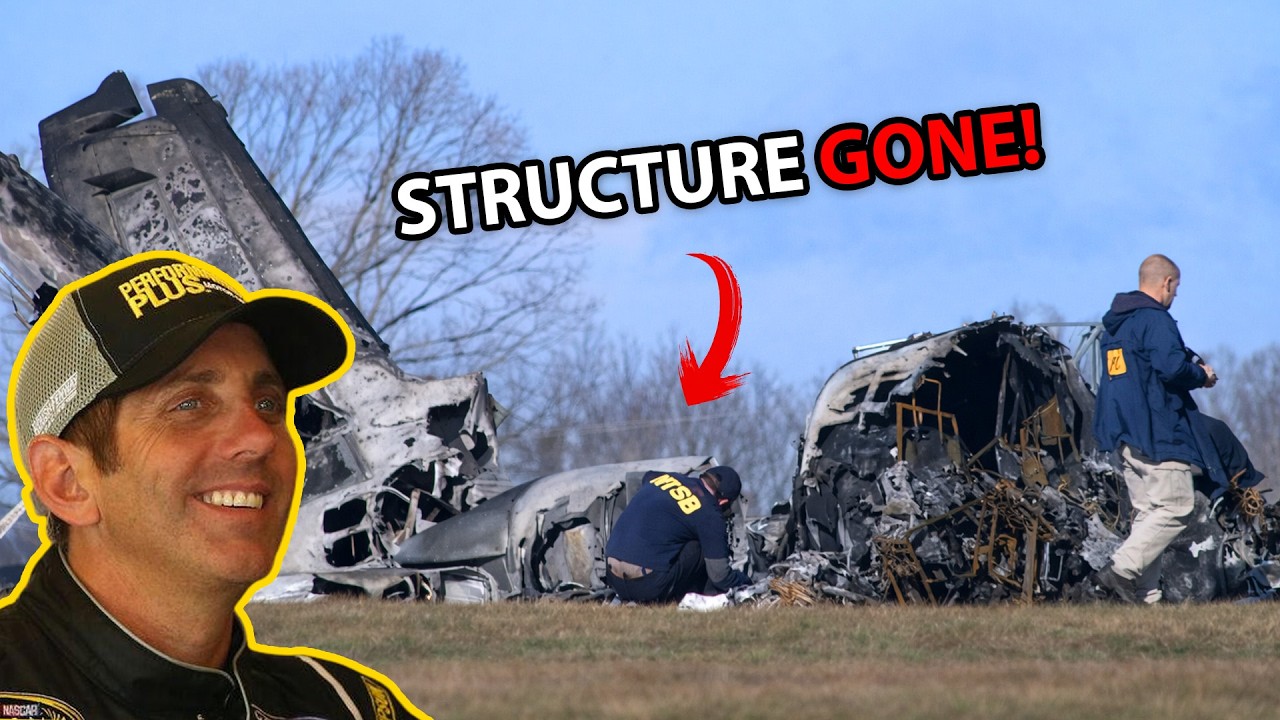
However, as the situation began to deviate from the norm, the absence of a second pilot became increasingly significant.
The Citation 550, like many older jets, requires a level of familiarity and recency that can significantly impact performance during abnormal situations.
The left seat pilot, while experienced, had a type rating that mandated a second in command, indicating a potential gap in the necessary operational knowledge of this specific aircraft.
This detail is crucial, as it highlights the need for a clear division of responsibilities in the cockpit, especially during challenging phases of flight.
Modern jets are designed with layers of automation and redundancy, providing pilots with explicit failure messages and clear guidance on how to manage issues.
In contrast, the Citation 550, which dates back to 1981, operates in a very different environment.
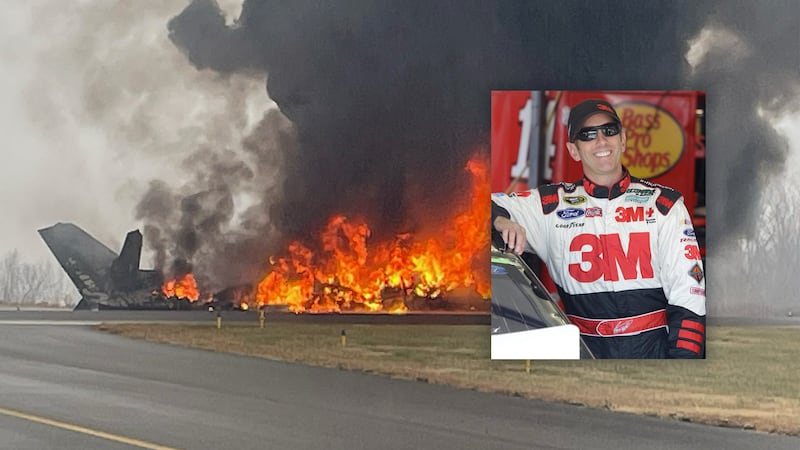
Without an auxiliary power unit (APU), the aircraft lacks a protected electrical buffer, requiring the pilot to manually manage electrical power transitions.
This manual management can lead to situations where systems do not fail cleanly but rather behave erratically, creating a scenario where the pilot must interpret ambiguous data.
The preliminary report indicates that the left engine’s start was unsuccessful initially, leading to a potential low-voltage environment before both engines eventually started.
This electrical instability can have profound implications for the aircraft’s avionics and systems, often resulting in intermittent data loss rather than outright failure.
For example, during the flight, audio quality degraded, and critical instruments like airspeed and heading data became unreliable, only to later return to normal functionality.
Such patterns suggest that the aircraft was operating under conditions of intermittent power quality, which can be far more dangerous than a straightforward mechanical failure.

Investigators will closely examine the timeline of generator activation and the stability of electrical feeds to determine whether the aircraft was launched in a compromised state.
The Citation 550 can operate on a single generator, but doing so reduces the margin for error, particularly in high-stress situations.
The preliminary report notes that during critical phases of flight, the cockpit environment became increasingly chaotic, with multiple switches being handled in quick succession.
This is a common occurrence in older jets, where the failure to manage electrical feeds properly can lead to degraded information quality, making it difficult for pilots to trust their instruments.
As the flight progressed, the left seat pilot reported issues with the alтιтude indicator and audio quality, indicating that the aircraft was experiencing significant system ambiguity.
This ambiguity can quickly overwhelm a pilot, particularly when there is no co-pilot to share the cognitive load.

The right seat was occupied by a less experienced private pilot, who lacked the necessary qualifications to effectively support the pilot in command during this critical time.
The preliminary report highlights that control was transferred to the right seat at around 4,500 feet, but there was no recorded positive transfer back to the left seat, even though subsequent comments suggest that the pilot in command resumed control.
This lack of clarity in roles can exacerbate the situation, particularly during transitions from instrument meteorological conditions (IMC) to visual meteorological conditions (VMC), where workload increases significantly.
As the aircraft approached the runway, the data indicated a consistent pattern of decreasing airspeed and alтιтude, suggesting energy starvation rather than a loss of control.
The aircraft’s descent trajectory, characterized by a low-energy approach, points to a failure to manage energy effectively during the landing phase.
Impact evidence further supports this conclusion, as the first point of contact was with approach lights well before the runway threshold.
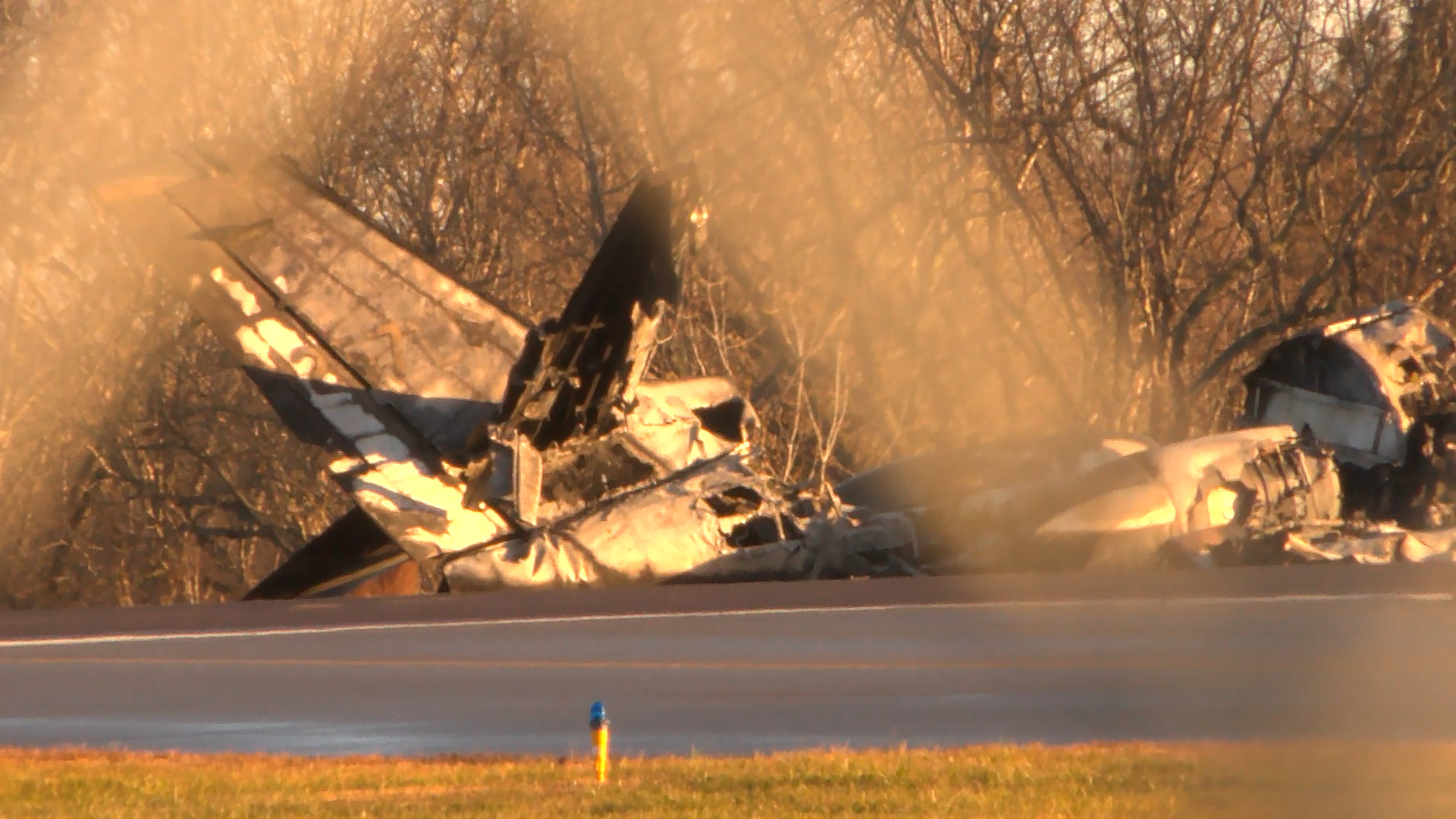
The subsequent shearing of trees indicates a shallow descent rather than a dramatic stall or dive, reinforcing the idea that the crew was unable to recover energy in time.
In conclusion, the crash of Greg Biffle’s Cessna Citation 550 serves as a sobering reminder of the complexities involved in operating older jets.
The interplay between pilot experience, cockpit management, and electrical system behavior can create a dangerous environment, particularly when the aircraft begins to exhibit ambiguous signs of distress.
As investigators continue to analyze the data, it is essential to recognize the critical role that crew structure and communication play in ensuring safety in the cockpit.
Ultimately, this incident underscores the need for robust training and a clear understanding of the unique challenges posed by older aircraft models.


