Six Voices That Shaped Linda Ronstadt’s Heart and Sound
By the time Linda Ronstadt stepped away from performing, she had already accomplished what most singers only dream of. She conquered rock arenas in the 1970s, dominated country charts, triumphed on Broadway, revived the Great American Songbook, and even embraced traditional Mexican mariachi music. Each genre felt authentic in her hands, never like a costume, never like a calculated reinvention.
Critics often described her voice as technically flawless. Fellow musicians called her fearless. Yet Ronstadt herself insisted she was never chasing stardom. She saw herself as a student—someone constantly listening, absorbing, and refining. Behind every platinum album was an artist studying phrasing, tone, discipline, and emotional truth.
Over the decades, six musicians stood out in her journey. They weren’t casual collaborators. They were transformative forces—artists who influenced her craft, expanded her perspective, and, in some cases, shaped her personal life.

Neil Young: The Courage of Imperfection
When Linda first encountered Neil Young, she was struck by his unpredictability. His voice wasn’t polished in the traditional sense. It cracked, it trembled, it defied conventional technique. But it was honest—almost painfully so.
At a time when the California rock scene leaned toward refinement, Neil leaned into rawness. He trusted instinct over industry advice, emotion over perfection. Ronstadt, known for rehearsing harmonies relentlessly, found his spontaneity both unsettling and liberating.
Watching him record taught her an invaluable lesson: sometimes the first take carries a truth that endless refinement can erase. From Neil Young, she learned that vulnerability can be more powerful than technical precision.

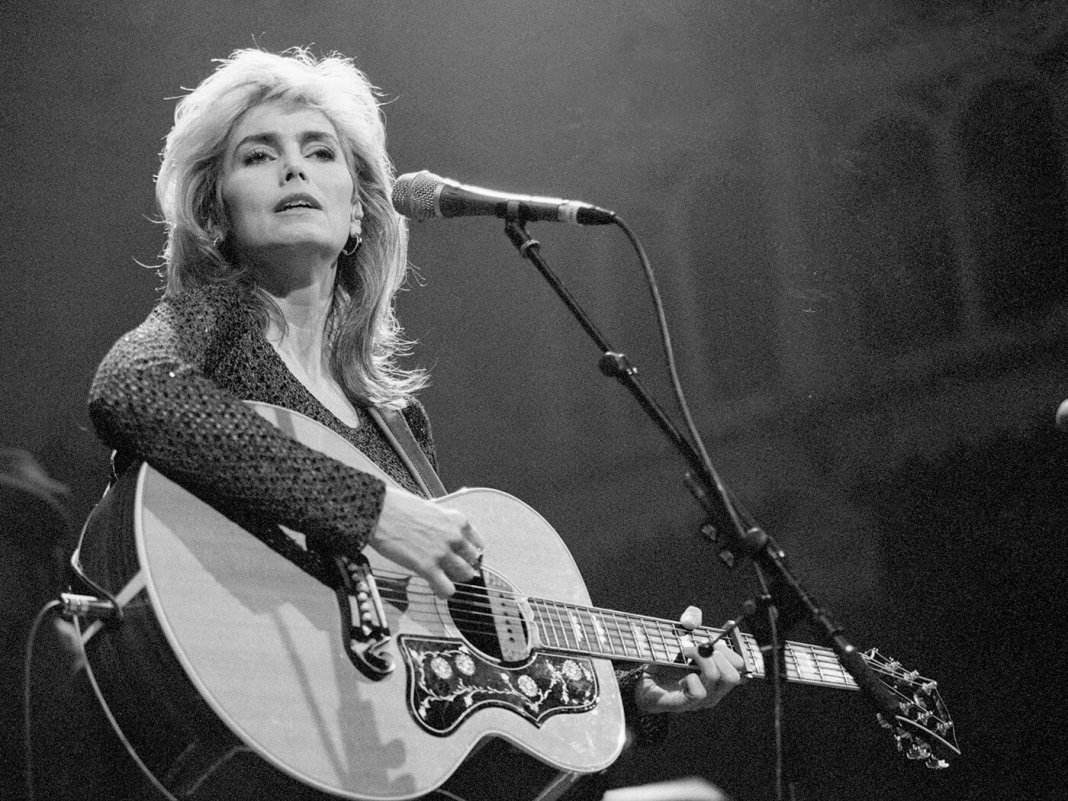
Emmylou Harris: The Art of Harmony
Few voices blended as seamlessly with Ronstadt’s as Emmylou Harris. Their harmonies felt effortless—airy yet grounded, structured yet deeply emotional. What began as simple collaborations evolved into one of the most celebrated partnerships in modern country music.
Emmylou approached songs with reverence. She studied their origins, honored their traditions, and treated lyrics as sacred texts. During their legendary Trio recordings with Dolly Parton, the hours spent refining harmonies were almost architectural in precision.
But beyond technique, Emmylou influenced Ronstadt’s interpretive depth. Where Linda often focused on hitting every note perfectly, Emmylou emphasized storytelling. That subtle shift—from technical mastery to emotional clarity—reshaped Ronstadt’s performances for years to come.
Jackson Browne: Vulnerability in Song
Ronstadt’s connection with Jackson Browne was both artistic and personal. His songwriting stood apart for its diary-like intimacy. He didn’t hide behind metaphor; he confronted emotion directly.
During their relationship in the early 1970s, Ronstadt recorded his songs with striking vulnerability. Her interpretations of his material carried a rawness that surprised even longtime fans.
Though their perspectives sometimes differed—Browne leaned more overtly into political expression while Ronstadt preferred subtlety—their creative exchange broadened her artistic lens. From Jackson, she learned that meaning every word matters more than hitting every note.

Aaron Neville: The Power of Devotion
When Ronstadt partnered with Aaron Neville, she discovered a new dimension of vocal expression. His falsetto floated with an almost spiritual quality, imbued with warmth and devotion.
Neville viewed singing as something sacred, even prayerful. That mindset shifted Ronstadt’s approach during their duets. Instead of focusing solely on blend and control, she leaned into surrender and intimacy.
Their collaborations became masterclasses in restraint. Neither voice tried to dominate. They left space. They listened. Critics observed that her tone during this period seemed softer, warmer—less about projection and more about connection. From Neville, she absorbed the lesson that technique is hollow without heart.

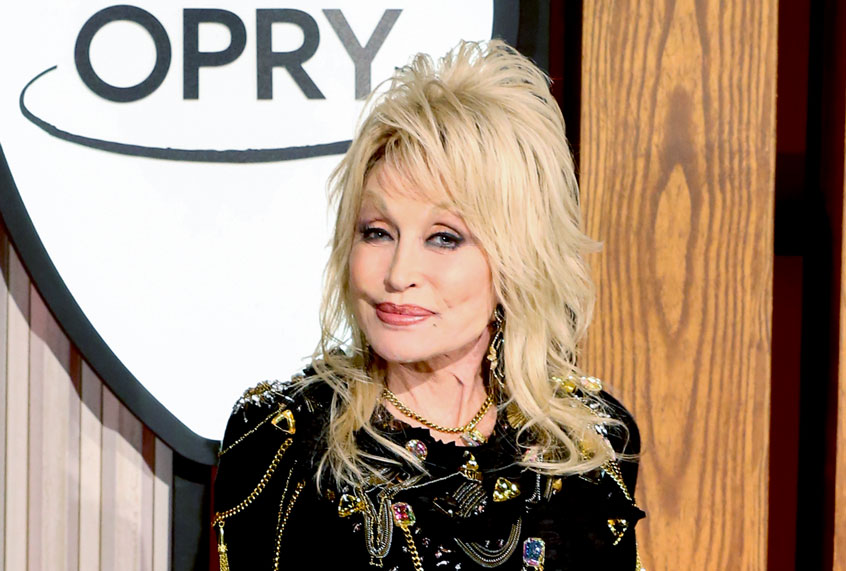
Dolly Parton: Joy and Authenticity
At first glance, Dolly Parton’s sparkling persona seemed worlds apart from Ronstadt’s more reserved intensity. But beneath the rhinestones was a formidable songwriter with a deep understanding of Appalachian musical traditions.
Working alongside Dolly revealed a powerful truth: commercial success and authenticity are not opposites. Parton moved effortlessly between mainstream hits and stripped-down mountain ballads without sacrificing sincerity.
The Trio collaboration with Dolly and Emmylou wasn’t just musically groundbreaking—it was culturally significant. Three women, each commanding their own careers, honoring tradition on their own terms. From Dolly, Ronstadt learned that joy belongs in serious music, and humility can coexist with brilliance.
Nelson Riddle: Sophistication and Restraint
Perhaps the boldest artistic pivot in Ronstadt’s career came through her collaboration with legendary arranger Nelson Riddle. Known for his work with Frank Sinatra and Ella Fitzgerald, Riddle represented elegance and classic orchestration.
When Ronstadt chose to record American standards with full orchestra, many questioned her decision. Was she abandoning her rock roots? In reality, she was expanding them.
Under Riddle’s guidance, she refined her phrasing with extraordinary discipline. He taught her the art of lingering on a lyric, of trusting silence between lines, of allowing understatement to carry emotional weight.
The resulting albums didn’t just prove her versatility—they showcased her ability to inhabit a genre completely. Riddle’s rare public praise validated her risk, affirming that she wasn’t just crossing genres; she was mastering them.

Together, these six musicians represent the evolution of Linda Ronstadt’s artistry. Neil Young’s spontaneity. Emmylou Harris’s reverence. Jackson Browne’s vulnerability. Aaron Neville’s devotion. Dolly Parton’s joyful authenticity. Nelson Riddle’s sophistication.
Each unlocked a different layer of her voice.
At 79, when Ronstadt reflects on the artists she loved and admired, she doesn’t frame those relationships as stepping stones to fame. Instead, they are chapters in an education—lessons in courage, storytelling, spirituality, discipline, and joy.
She may be remembered as one of the most technically gifted singers of her generation. But what truly defines her legacy is her humility as a student of music. She listened. She learned. She allowed herself to be shaped.
And through those six voices, Linda Ronstadt didn’t just build a career—she built something far more enduring: a legacy rooted in respect for the craft and love for the artists who helped her find her own.


