Prophecy, Panic, and Pressure: Fallout at Brian Carn’s Church After Bishop S.Y. Younger’s Claims
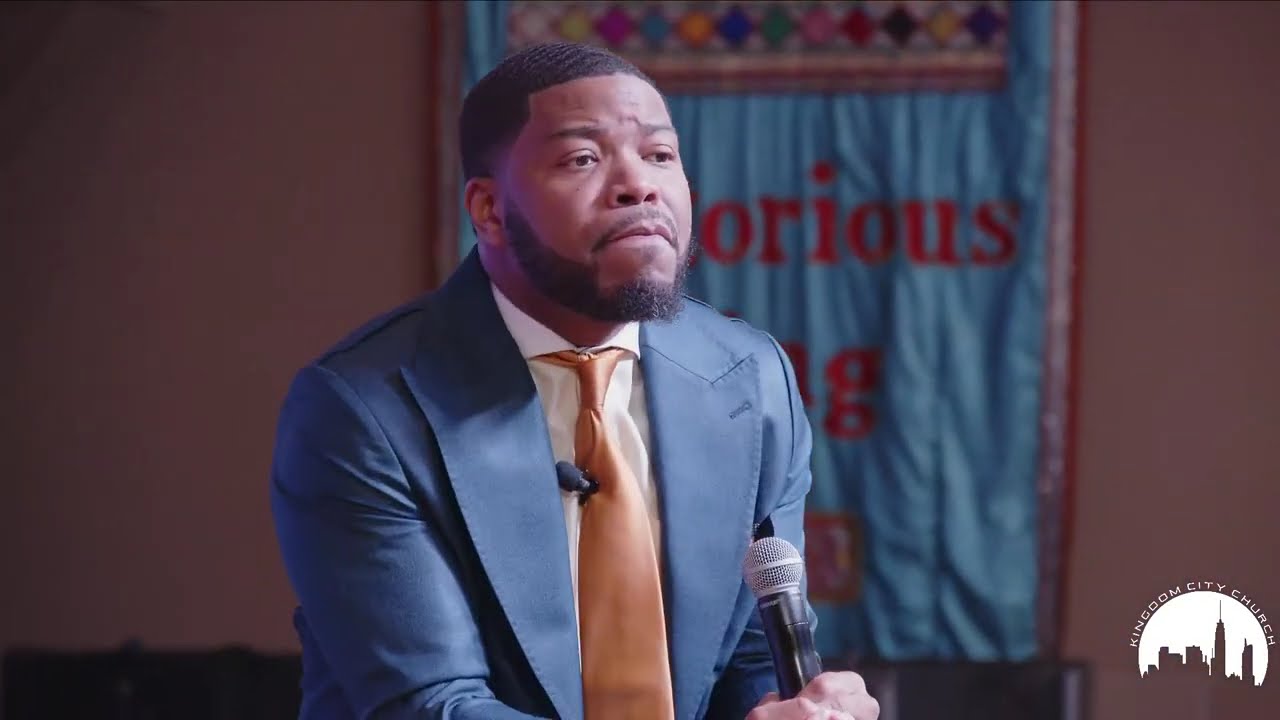
A recent sermon delivered by Bishop S.Y. Younger has ignited intense debate across prophetic and Pentecostal circles, with the controversy now rippling into the wider ministry network ᴀssociated with Pastor Brian Carn. What began as a theological claim about Genesis has turned into a broader conversation about biblical interpretation, spiritual authority, and financial practices in modern church culture.
At the center of the storm is a teaching commonly referred to as the “Gap Theory.”

During his message, Bishop Younger suggested that a catastrophic event occurred between Genesis 1:1 and Genesis 1:2. According to this interpretation, God originally created the earth perfect, but something—possibly Lucifer’s fall or even a cosmic disaster—left the earth “without form and void.”
This, he implied, required a kind of divine reconstruction.
The idea is not new. Variations of the Gap Theory have circulated for over a century, often used to reconcile biblical creation with scientific timelines.

However, the overwhelming consensus among Hebrew scholars and conservative theologians is that Genesis 1:2 does not describe destruction—it describes development.
The Hebrew phrase tohu va-bohu, translated “without form and void,” does not imply ruin. It describes an unformed, unfilled state—creation in process, not creation in collapse.
Critics argue that inserting Lucifer into Genesis 1 requires importing ideas from other pᴀssages and layering them onto the text without direct biblical support.

Another controversial element of the sermon involved linking Isaiah 14 and Ezekiel 28 to a prehistoric fall of Satan that allegedly disrupted the earth before Adam.
However, many biblical scholars maintain that Isaiah 14 is a poetic taunt against the king of Babylon, not a direct biography of Satan. Likewise, Ezekiel 28 is widely understood as a prophetic lament against the king of Tyre, using symbolic imagery.
Even New Testament references such as Luke 10:18 (“I saw Satan fall like lightning from heaven”) are generally interpreted as metaphorical or connected to the authority given to the disciples—not a literal timestamp for Genesis events.
In short, critics say the narrative presented was constructed from loosely connected verses rather than explicit biblical statements.
The sermon also reportedly leaned on the word “replenish” in Genesis 1:28 as evidence of a prior civilization or destroyed world. Yet the Hebrew word male simply means “to fill.” The idea of “refilling” a previously populated earth does not appear in the original language.
For many theologians, this is where concern deepened. When English translations are used to build elaborate doctrines without checking original language context, confusion can follow.

Perhaps the most heated criticism emerged not from the theology alone—but from what followed.
According to attendees and online commentators, the sermon transitioned from cosmic catastrophe and prophetic urgency into a call for seed offerings tied to breakthrough language. For critics, this pattern felt familiar: introduce a dramatic revelation, build emotional intensity, then pivot toward financial giving.
They argue that this structure creates psychological leverage—framing participation as spiritually urgent.
Supporters counter that giving is a longstanding biblical principle and that critics are unfairly targeting prophetic ministries that emphasize faith and sowing.
Yet the tension remains: when complex or disputed theology is immediately followed by financial appeals, suspicion can grow.

Although Bishop Younger delivered the controversial teaching, the fallout has touched ministries ᴀssociated with Pastor Brian Carn due to overlapping prophetic networks and shared platforms.
Carn, already a polarizing figure within prophetic spaces, has faced scrutiny in the past over issues ranging from prophecy methodology to financial transparency. This latest controversy has reignited conversations about accountability structures within charismatic leadership models.
Some leaders within the community have defended both Carn and Younger, framing criticism as resistance to prophetic revelation. Others are calling for clearer theological grounding and greater financial transparency in high-profile ministries.
Beyond one sermon or one church, many observers say this controversy highlights a broader pattern in certain prophetic environments:
-
Introduce hidden or “deep” revelation
-
Blend scripture with speculative interpretation
-
Heighten urgency with end-times or destiny language
-
Transition into seed-based financial appeals
-
Frame criticism as spiritual attack
Not every prophetic ministry follows this pattern—but the perception that some do has fueled calls for reform.

This moment is not simply about Genesis or Lucifer. It is about how scripture is handled, how authority is exercised, and how financial practices intersect with spiritual messaging.
For believers, the challenge is navigating discernment without drifting into cynicism. For leaders, the responsibility is ensuring that revelation does not outpace sound doctrine.
Whether one views Bishop Younger’s message as bold insight or theological overreach, one thing is clear: the conversation is not going away.
And in a digital age where sermons spread instantly, neither is the scrutiny.


