Family Feud Goes Public: Tina Knowles Calls Out Ex in Emotional Statement
What was meant to remain a private family matter has suddenly become headline news, after Tina Knowles publicly criticized her ex over what she describes as an inappropriate revelation about their family.
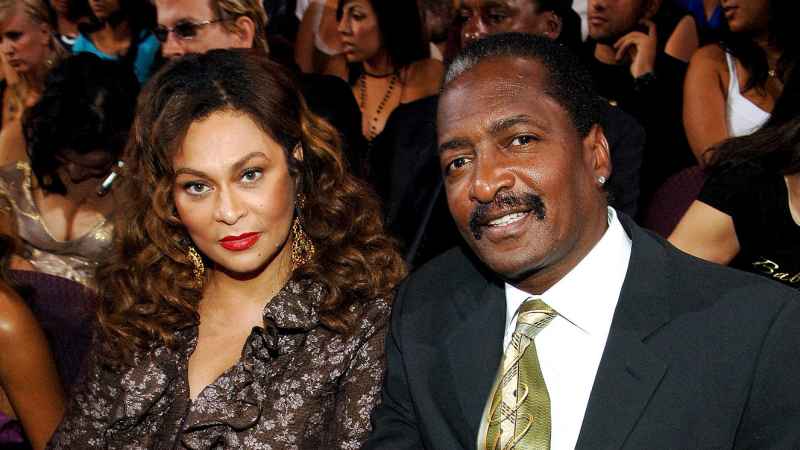
The drama unfolded swiftly, igniting social media and drawing attention not only because of the personal nature of the dispute, but also because of the high-profile figures connected to the Knowles name.
As the mother of global superstar Beyoncé, Tina Knowles has long balanced public visibility with a carefully guarded approach to family privacy.
That balance, she suggests, was disrupted.
In a pointed statement shared online, Knowles expressed frustration over what she characterized as a breach of trust.
While she did not initially detail the full scope of the disclosure, sources close to the situation indicate that comments made by her former spouse involved sensitive family matters not previously shared publicly.
“This was not his story to tell,” Knowles reportedly wrote.
“Family is sacred.
There are boundaries.

The ex in question, whom Knowles has not named in the most recent comments but who is widely understood to be connected to her past marriage, has yet to issue a detailed response.
Observers note that the couple’s history includes years of shared business ventures and public appearances, adding layers of complexity to the current dispute.
The situation underscores a broader challenge facing high-profile families: the blurred line between public life and private experience.
In the age of instant communication, personal revelations can travel worldwide within minutes.
Public reaction has been swift and divided.
Supporters of Knowles praise her for defending family boundaries.
Others argue that public figures inevitably face scrutiny and that disclosures, depending on context, may fall within freedom of expression.

Celebrity family dynamics often attract intense interest, particularly when connected to figures of Beyoncé’s stature.
Yet Knowles has historically maintained a reputation for poise and discretion, often emphasizing unity and resilience.
Industry insiders suggest that tensions may have been simmering beneath the surface for some time.
Divorces involving long-term partnerships can involve unresolved emotional and financial complexities.
When public commentary enters the equation, those complexities magnify.
Legal experts point out that unless confidential agreements or non-disclosure clauses are in place, individuals may not be legally barred from discussing shared history.
However, legal permissibility does not necessarily align with personal or ethical boundaries.
Knowles’ message appears rooted more in principle than in litigation.
By framing the issue around respect and privacy, she signals that the heart of the conflict is relational rather than contractual.
The timing of the revelation has also drawn attention.
Some speculate that upcoming projects or anniversaries may have influenced media sensitivity.
Others caution against reading strategic intent into personal disputes.
For fans, the situation feels intimate despite its public framing.
The Knowles family has long projected strength and solidarity, navigating fame with a focus on empowerment and artistry.
Public disagreement disrupts that narrative.
Crisis communication specialists note that swift, measured responses can shape perception.
By addressing the issue directly, Knowles avoided allowing speculation to spiral unchecked.
However, public acknowledgment also ensures sustained media attention.
Social media commentary ranges from empathetic to intrusive.
Hashtags referencing family loyalty and privacy trended briefly, illustrating how quickly audiences attach to celebrity narratives.
Psychologists observing public reactions note that celebrity family disputes often resonate because they mirror universal themes—trust, betrayal, communication, reconciliation.
As of now, no indication suggests that the dispute has escalated into legal proceedings.
The focus remains on reputational and relational impact.
Close ᴀssociates describe Knowles as protective of her children and grandchildren.
Her brand, built around creativity and maternal strength, reinforces that protective image.
Whether reconciliation is possible remains uncertain.
Public disagreements can harden positions, yet time and dialogue sometimes soften them.
Media analysts emphasize caution against inflating private disputes into permanent rifts.
Families, even high-profile ones, evolve and reconcile outside public view.
Still, the episode serves as a reminder of how fragile privacy can be when intertwined with fame.
Tina Knowles’ decision to speak publicly reflects a choice: to ᴀssert boundaries rather than remain silent.
In doing so, she reclaims narrative control—at least partially.
The broader entertainment world watches closely.
In industries where personal branding intersects with family idenтιтy, managing disclosure becomes a strategic necessity.
For now, the story remains in motion.
The ex’s response—if forthcoming—may either de-escalate or intensify the situation.
In the meantime, Knowles’ message resonates clearly: family matters deserve respect.
And when that respect feels compromised, silence is not always the answer.


