Political Blitz: Blagojevich Accuses Pritzker of Losing the Bears Battle
The rivalry didn’t unfold on a football field, but it carried all the tension of a last-second drive.
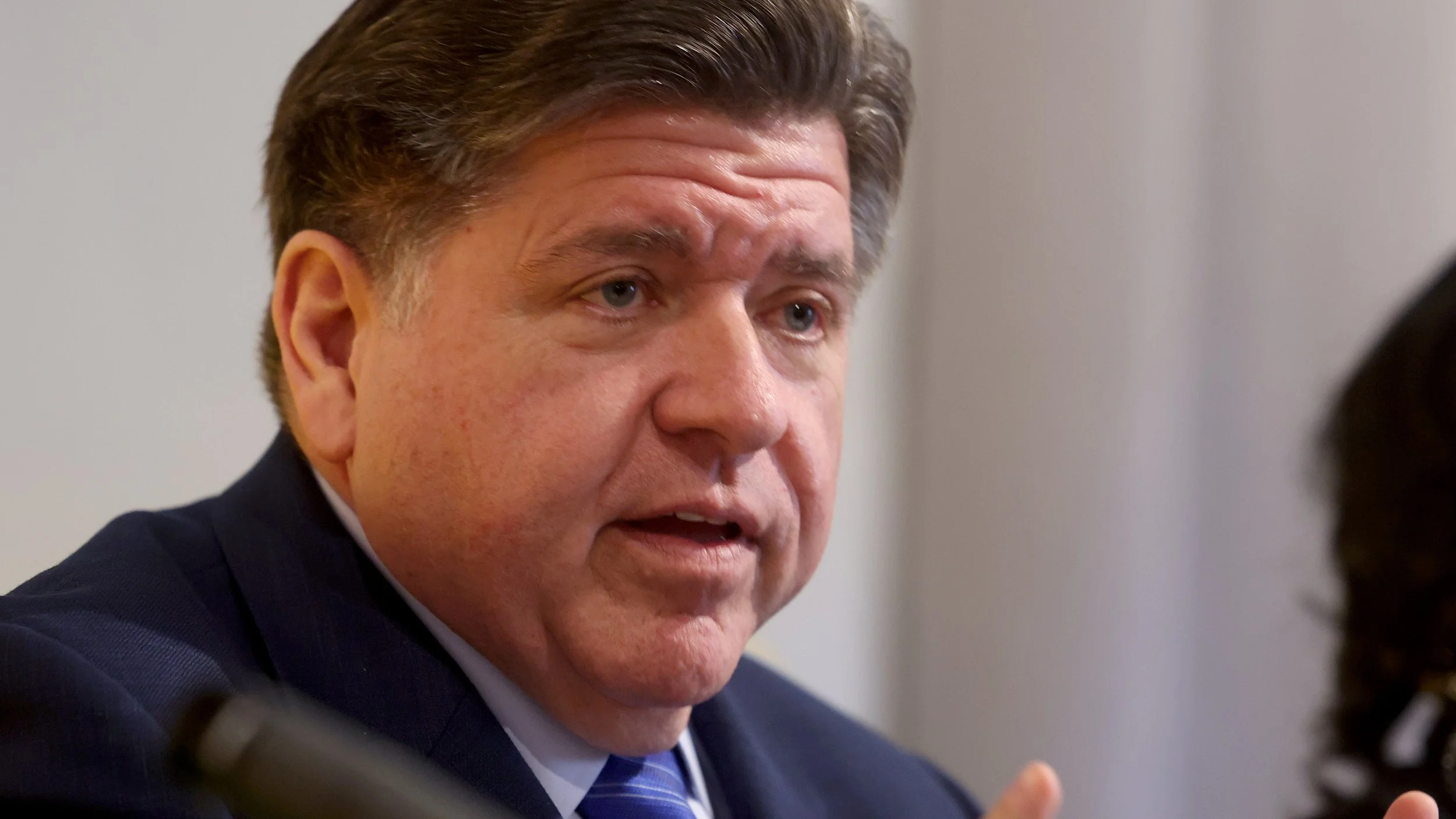
When former Illinois governor Rod Blagojevich declared that the current administration had been “outplayed and outflanked,” he wasn’t dissecting a Sunday matchup — he was taking aim at Governor J.B.Pritzker and the high-stakes maneuvering surrounding the future of the Chicago Bears.
In a blistering series of remarks that quickly ricocheted across Illinois political circles, Blagojevich accused Pritzker of mishandling negotiations tied to the Bears’ stadium ambitions.
The former governor, never one to shy away from spectacle, framed the situation as a strategic collapse — a moment when Illinois leadership, in his view, allowed itself to be cornered in a billion-dollar chess match involving public financing, civic pride, and the loyalty of one of the NFL’s most storied franchises.
At the heart of the controversy lies the Bears’ long-running effort to secure a modern stadium deal.

For decades, the team has called Soldier Field home, a historic venue that carries deep emotional resonance but has increasingly been criticized as outdated compared to the gleaming, revenue-generating complexes rising in other cities.
Ownership has explored options ranging from major renovations to a full-scale relocation to the suburbs — a possibility that ignited fierce debate across the Chicago metropolitan area.
Blagojevich’s charge that Pritzker was “outplayed” suggests more than policy disagreement; it implies a loss of leverage.
According to the former governor, the Bears’ ownership effectively dictated terms while state leaders scrambled to respond.

“This is about negotiation power,” he argued, suggesting that Illinois risked either overcommitting taxpayer funds or watching the franchise slip beyond Chicago’s reach.
Pritzker’s administration has pushed back forcefully.
Officials close to the governor describe ongoing talks as complex but strategic, emphasizing that any public investment would be measured against long-term economic return.
They point to infrastructure upgrades, potential job creation, and the multiplier effect of large-scale sporting events as part of a broader cost-benefit analysis.
In their telling, this is not a game of political brinkmanship but a deliberate process to safeguard public interests.
Still, optics matter.
The image of a beloved NFL team contemplating a dramatic shift — potentially leaving the lakefront for suburban Arlington Heights — has stirred deep emotions.
Fans fear losing the iconic skyline backdrop that frames autumn Sundays.
Business owners near Soldier Field worry about foot traffic.
Suburban leaders, meanwhile, see opportunity: new development, rising property values, and a transformative anchor for regional growth.
Blagojevich’s intervention adds combustible fuel to an already volatile debate.
His tenure as governor was marked by controversy and eventual removal from office, yet he retains a knack for commanding attention.
By stepping into the Bears discussion, he reframed it as a test of political strength.
“You can’t let yourself be cornered,” he said, suggesting that once momentum shifts in negotiations, reclaiming control becomes exponentially harder.
Critics of Pritzker argue that the state’s fiscal pressures make lavish stadium subsidies difficult to justify.
Illinois faces pension obligations and budgetary constraints that leave little room for risk.
Why, they ask, should taxpayers shoulder billions for a private enterprise? Proponents counter that the NFL’s economic ecosystem — tourism, hospitality, national visibility — delivers benefits that ripple far beyond ticket sales.
The Bears organization has remained relatively measured in public statements, emphasizing its commitment to securing a “world-class” facility that meets future needs.
Yet behind closed doors, insiders acknowledge the delicate balance between tradition and transformation.
Soldier Field’s historical designation complicates renovation efforts, limiting the extent of structural overhaul possible.
Meanwhile, suburban land offers flexibility but raises questions about accessibility and transit.
The drama has also exposed fault lines within Chicago itself.
Mayor and city council members must navigate competing pressures: preserving a lakefront icon versus retaining the team at almost any cost.
Civic groups advocate for transparency in negotiations, wary of deals struck out of public view.
The specter of past stadium financing controversies lingers, reminding voters that optimism can quickly sour if projections fall short.
Blagojevich’s “outflanked” critique taps into a broader narrative about political agility.
In high-stakes negotiations, perception of strength can influence outcomes as much as spreadsheets do.
If the Bears believe they have viable alternatives, their bargaining power increases.
If the state projects hesitation, leverage shifts.
This dynamic, common in corporate boardrooms, now plays out under the bright lights of public scrutiny.
Pritzker’s allies insist the governor understands these dynamics.
They argue that disciplined negotiation — resisting emotional appeals and headline pressure — ultimately serves taxpayers.
Some even suggest that Blagojevich’s comments are less about policy and more about relevance, a calculated attempt to reinsert himself into Illinois’ political conversation.
For fans, however, the issue transcends political sparring.
The Bears are woven into Chicago’s cultural fabric.
Generations recall historic games played against winter winds off Lake Michigan.
The team’s idenтιтy is intertwined with the city’s resilience and grit.
The thought of losing that connection, or seeing it transformed into a suburban spectacle, strikes at something deeply communal.
Economic analysts caution against oversimplification.
Stadium projects often promise sweeping revitalization but deliver mixed results.
Success hinges on surrounding development, transportation integration, and sustained demand.
A miscalculated deal can saddle taxpayers with long-term debt.
A well-structured one can catalyze growth.
The margin between triumph and regret is razor-thin.
As the debate intensifies, national observers watch closely.
Other cities have faced similar crossroads, weighing civic loyalty against fiscal prudence.
Some have embraced public-private partnerships; others have drawn hard lines.
Illinois now finds itself at that junction, with political reputations and fan allegiance hanging in the balance.
Blagojevich’s rhetoric ensures that the conversation remains anything but subdued.
By casting the situation as a strategic defeat, he forces the narrative into compeтιтive terms: winners and losers, offense and defense.
It’s a framing that resonates in a sports-obsessed state, where metaphors of playbooks and power moves feel instinctive.
Yet beneath the soundbites lies a complex equation: How much is heritage worth? What price secures progress without sacrificing principle? Can state leaders strike a deal that satisfies both fiscal responsibility and emotional investment? These are questions that transcend party lines.
In Springfield and Chicago alike, advisers pore over projections while public opinion fluctuates with each new report.
Every comment, every leak, every rumor of shifting sites or revised funding models fuels speculation.
The Bears’ next move — whether a firm commitment to Soldier Field renovation or a decisive suburban pivot — could redefine the region’s landscape for decades.
For now, the standoff continues.
Blagojevich’s critique echoes across talk shows and opinion pages, while Pritzker’s office projects steadiness.
The Bears, meanwhile, hold their cards close.
In this unfolding drama, the gridiron is political, the end zone financial, and the scoreboard far from settled.
One thing is certain: Illinois is watching.
The clash between past and present governors, between city and suburb, between nostalgia and ambition, has transformed a stadium negotiation into a statewide spectacle.
And until a final agreement is inked, the question lingers — who truly holds the advantage in this high-stakes game?


