Relentless Rains and Violent Winds Devastate Cities Across Europe and North Africa
A powerful wave of extreme weather has torn across parts of Europe and North Africa, unleashing torrential rains, flash floods, violent winds, and widespread destruction that have left communities reeling.
From Mediterranean coastlines to inland desert regions, the storm system carved a path of devastation, claiming lives, crippling infrastructure, and displacing thousands in its wake.
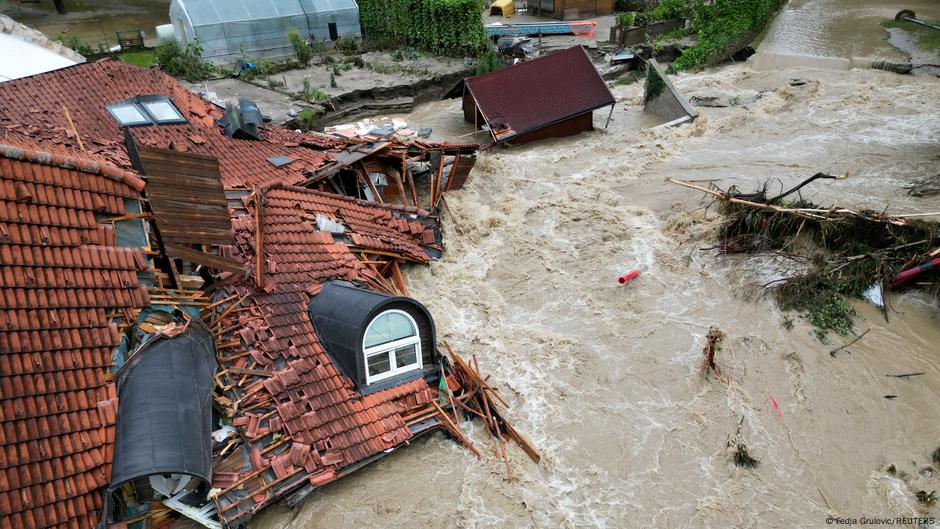
In southern Europe, heavy rainfall overwhelmed rivers and drainage systems, submerging neighborhoods and forcing emergency evacuations.
Streets in coastal cities turned into fast-moving canals as water surged through historic districts, sweeping away vehicles and flooding homes within minutes.
Emergency responders worked around the clock to rescue stranded residents trapped in ground-floor apartments and stalled cars.
Bridges collapsed under the force of swollen rivers, and landslides blocked key transportation routes in mountainous regions.

Rail services were halted in several areas after tracks were damaged or submerged.
Authorities closed highways as a precaution, warning drivers against attempting to cross flooded roads.
Power outages spread as substations were compromised by rising waters, plunging entire districts into darkness.
Further east and south, North African nations faced equally severe impacts.
Sudden cloudbursts over arid terrain triggered flash floods that tore through towns unaccustomed to such sustained rainfall.
Dry riverbeds transformed into raging torrents, catching residents off guard.
Mud and debris cascaded into residential zones, burying vehicles and forcing emergency evacuations.
In some regions, rescue teams navigated floodwaters by boat, while helicopters conducted rooftop evacuations where ground access was impossible.
Officials confirmed fatalities in multiple countries, though exact figures continue to evolve as search and rescue operations progress.
Hospitals reported treating injuries ranging from minor trauma to more serious flood-related incidents.
Meteorologists attribute the extreme conditions to a powerful low-pressure system interacting with unusually warm sea surface temperatures.
When combined with atmospheric instability, the result was intense rainfall concentrated over short periods.
Experts warn that such events can be especially destructive because infrastructure is often not designed to absorb rapid, high-volume downpours.
Agricultural sectors have also suffered significant losses.
Fields were inundated during critical growing periods, threatening harvest yields.
In rural communities, livestock were swept away or stranded, compounding economic hardship.
Insurance providers anticipate a surge in claims as damage ᴀssessments begin.
Urban planners and climate researchers note that extreme weather events have grown more frequent and intense in parts of the Mediterranean basin.
While no single storm can be solely attributed to long-term climate trends without comprehensive analysis, scientists emphasize that warming temperatures can increase atmospheric moisture capacity, intensifying rainfall extremes.
Local governments have declared states of emergency in several affected areas.
Emergency funding has been mobilized to ᴀssist displaced families, restore utilities, and begin reconstruction efforts.
Temporary shelters have been established in schools and community centers to house those forced from flooded homes.
Eyewitness accounts describe moments of sudden chaos.
Residents reported waking to the sound of rushing water or being alerted by neighbors as streets rapidly disappeared beneath rising currents.
In some coastal zones, strong winds compounded the crisis, toppling trees and damaging rooftops.
Authorities continue to urge caution even as rainfall subsides in certain areas.
Saturated soil increases the risk of additional landslides, and weakened structures may remain unstable.
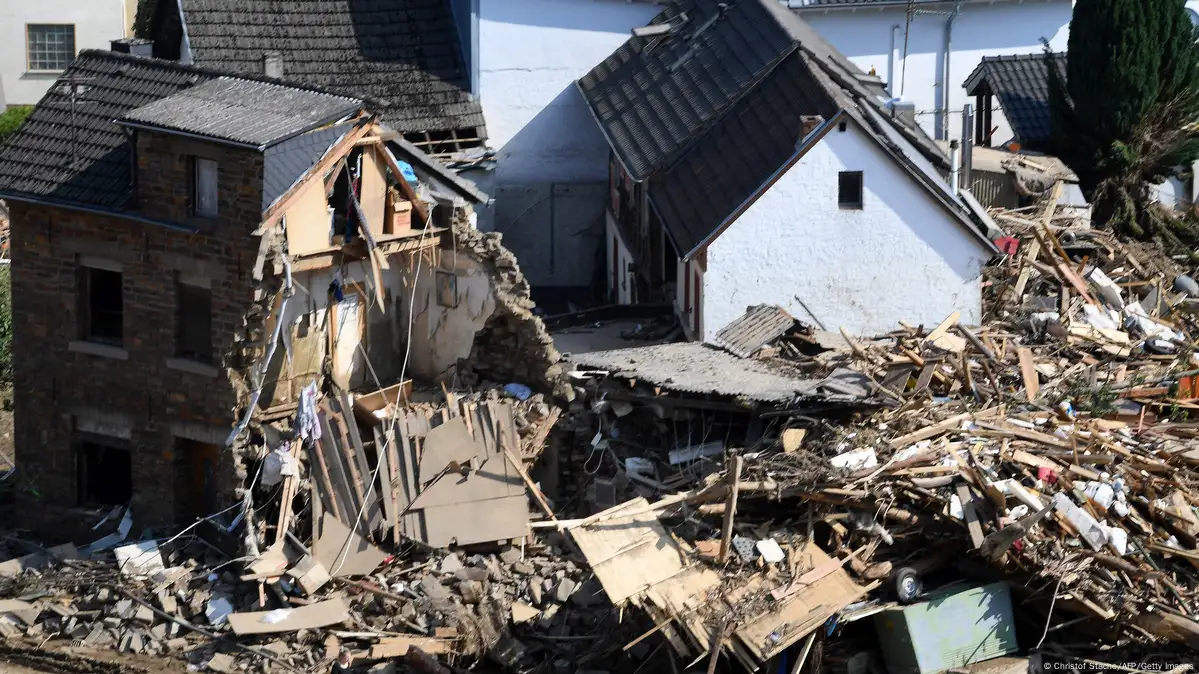
Cleanup crews face the daunting task of clearing debris, draining waterlogged neighborhoods, and restoring basic services.
International aid organizations are monitoring the situation, ready to provide ᴀssistance where needed.
Meanwhile, local volunteers have mobilized to distribute food, water, and clothing to affected communities.
Acts of solidarity have emerged alongside scenes of devastation, with neighbors helping neighbors salvage belongings and rebuild damaged properties.
As the storm system gradually weakens, the focus shifts from immediate rescue to long-term recovery.
Infrastructure repairs, housing reconstruction, and economic stabilization will require coordinated efforts across multiple countries.
Analysts warn that rebuilding efforts may take months, particularly in regions where transportation networks suffered extensive damage.
The recent wave of destruction underscores the vulnerability of both densely populated urban centers and remote rural communities to extreme weather.
From submerged European boulevards to flood-ravaged North African towns, the storm’s impact has been both sudden and profound.
While skies may clear in the coming days, the aftermath of this cross-continental weather crisis will linger.
Governments, scientists, and citizens alike now face pressing questions about preparedness, infrastructure resilience, and how to better anticipate the next powerful system that could once again reshape landscapes and lives across the region.


