It began quietly.
Special Agent Marcus “Hawk” Rydell had been with the DEA for nearly fifteen years. By all appearances, he was the perfect agent: decorated, highly trusted, and a fixture in high-profile operations targeting cartel money laundering. His colleagues called him relentless. Supervisors called him meticulous. But behind the accolades, Hawk was running a secret empire built on betrayal.
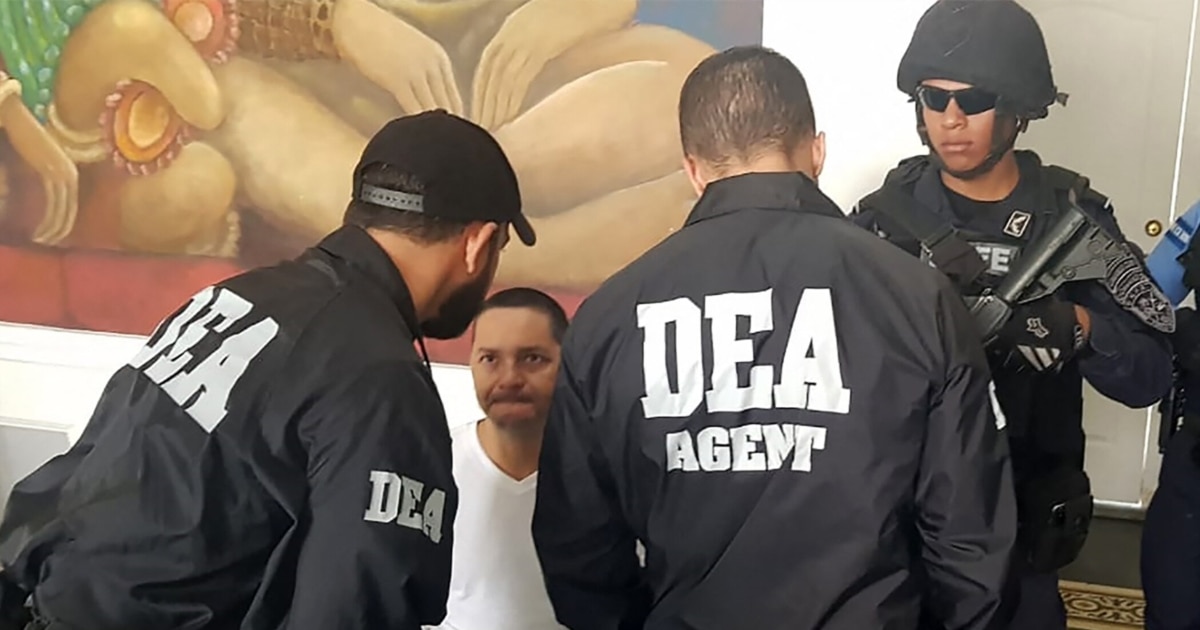
Early Suspicion
No one noticed the first discrepancies. A few missing cash transfers here, a few unusual accounting entries there—but all were buried in millions of dollars flowing through complex undercover operations. Hawk’s charm and reputation shielded him from scrutiny.
It wasn’t until 2015, nearly a decade after he had joined the DEA, that a junior financial analyst noticed something odd. “Some of these numbers didn’t add up,” she whispered to her supervisor, pointing to transactions from undercover operations that seemed to vanish without a trace. The supervisor, hesitant at first, dismissed it as a clerical error.
But Hawk’s actions were far from clerical.
The Double Life
By day, Hawk was hunting cartel money. By night, he was living lavishly: Lamborghinis lined up in the garage, yacht parties in Cartagena with cartel affiliates, private villas purchased in offshore accounts. He had no limits.
Colleagues would often invite him for drinks after a raid. He was charming, funny, and humble—or so they thought. Behind closed doors, Hawk meticulously documented every operation he could exploit, rerouting millions into his personal accounts. By 2016, he owned a $767,000 mansion in Cartagena, Colombia, where he entertained high-profile figures, some with cartel ties.
Red Flags Ignored
What stunned investigators later was that Hawk had failed a polygraph before joining the DEA. The agency, desperate for talent in high-stakes operations, overlooked the warning signs. And once inside, Hawk moved through the system unchecked. He had access to millions with little oversight, and he knew how to manipulate internal auditing processes to cover his tracks.
“You could see it coming if you knew where to look,” said an anonymous colleague after the investigation. “But no one wanted to see it. Hawk was untouchable—or at least, everyone believed he was.”
The First Crack
The investigation that would eventually expose Hawk began in late 2023. A separate DEA operation targeting a Colombian cartel ran into inconsistencies: funds supposedly seized during an undercover sting never appeared in federal records. Analysts traced the transactions and noticed familiar patterns—patterns connected to Hawk’s operations.
By January 2024, the DEA had quietly opened an internal investigation. Agents and auditors worked in secret, fearing Hawk might detect the probe. They discovered offshore accounts, luxury purchases, and transactions tied to shell companies in multiple countries. Each layer revealed meticulous planning, with money moved through a maze of legitimate-looking operations to avoid detection.
The Raid
In March, federal authorities moved in. Hawk was in Cartagena, attending a lavish yacht party with alleged cartel ᴀssociates. Authorities intercepted his communications and coordinated a multi-national operation to apprehend him.
Inside his mansion, investigators discovered encrypted ledgers, luxury cars purchased under false names, and evidence of a decade-long financial diversion scheme. Hawk had not only stolen millions—he had created a complex financial ecosystem designed to sustain his lifestyle indefinitely.
But there was more. Encrypted messages hinted at collaborators still inside DEA operations in the U.S., potentially covering up transactions or diverting attention from Hawk’s activities.
Plot Twists
The deeper investigators dug, the more complicated it became.
-
Hawk had secretly invested in biotech startups in Colombia, using cartel funds disguised as legitimate venture capital.
-
Certain undercover operations in the U.S. had been intentionally sabotaged, with cash disappearing before reporting.
-
A trusted DEA analyst turned whistleblower revealed that Hawk had recruited a small network of loyal agents to ᴀssist him in concealing transactions, creating a web of complicity.
Every revelation added layers of intrigue. Was Hawk working alone? Or was he part of a larger scheme that intertwined federal operations and international criminal networks?
The Fallout
By mid-2024, Hawk was arrested in Cartagena. His mansion was seized. Accounts frozen. Luxury vehicles confiscated. But the investigation was far from over.
Officials discovered that certain shell companies and accounts had vanished, with no trace of billions moved in the past decade. Federal authorities realized Hawk had left behind a network that might still be operational. His personal connections to foreign enтιтies raised fears of ongoing financial manipulation, even after his arrest.
Blake, the lead investigator on the case, admitted: “We caught him, but the empire he built… it might still exist in pieces. And someone has to unravel it completely.”
Open Ending
Hawk was behind bars, yet questions lingered. Who were his collaborators inside the DEA? How much of the stolen funds had been recovered? And could this network extend beyond Colombia and the United States?
Encrypted files hinted at Phase Omega, a continuation of Hawk’s financial empire, potentially orchestrated remotely even from prison. Investigators realized that the operation had only scratched the surface.
As federal agents stared at the maps, ledgers, and encrypted drives, one thought echoed repeatedly: the decade of betrayal was over—but the war to uncover Hawk’s full empire was only beginning.


