Cyclone Batters Madagascar, Hundreds of Thousands Affected as Fatalities Rise
The death toll continues to rise in Madagascar following a powerful cyclone that tore across the island nation, flattening homes, flooding vast stretches of land, and leaving entire communities cut off from aid.
Authorities say the full scale of the disaster is still unfolding as rescue teams struggle to reach remote areas buried under debris and submerged by relentless floodwaters.
The cyclone made landfall with fierce winds and torrential rains, ripping tin roofs from houses and uprooting trees that crashed onto roads and power lines.
Coastal villages bore the initial brunt of the storm, where storm surge and towering waves battered fragile structures.
Within hours, the system pushed inland, unleashing flash floods that swallowed fields, homes, and bridges.
Emergency officials confirmed that fatalities have increased as search-and-rescue teams access previously unreachable districts.
Many victims were caught in collapsing buildings or swept away by rapidly rising waters.
Authorities fear the numbers could climb further as communication remains limited in several hard-hit regions.
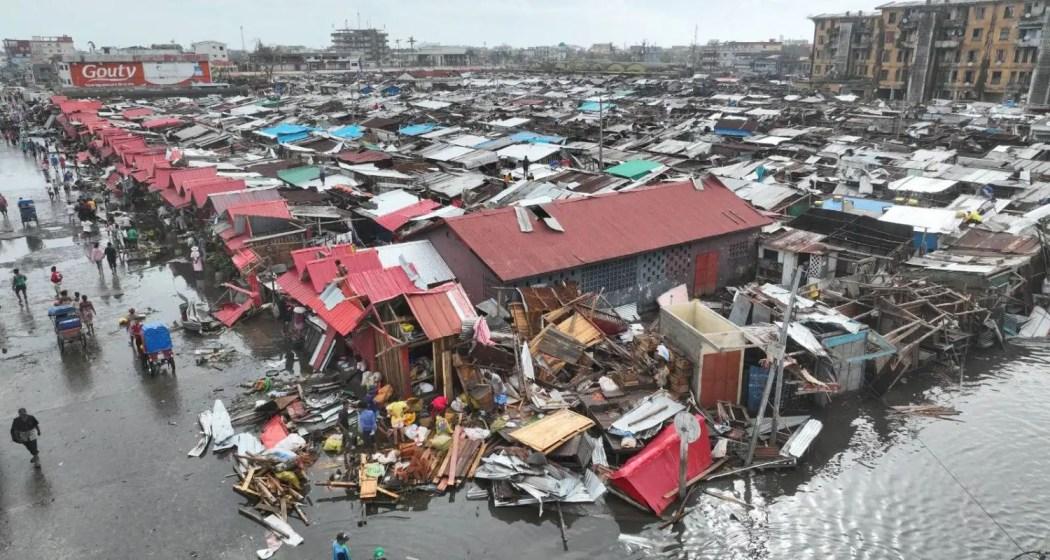
Images emerging from affected provinces show scenes of staggering devastation.
Entire neighborhoods lie in ruins, with homes reduced to splintered wood and twisted metal.
Mud and debris blanket what were once busy village paths.
In agricultural areas, crops essential to local livelihoods have been destroyed, compounding fears of food shortages in the weeks ahead.
Madagascar, one of the world’s most climate-vulnerable countries, faces recurring threats from tropical cyclones during the Indian Ocean storm season.
The island’s geography—marked by long coastlines and low-lying plains—makes it particularly susceptible to high winds, storm surge, and widespread flooding.
For many communities, especially those with limited infrastructure, recovery from such disasters can take months or even years.
Rescue teams have been working around the clock, navigating washed-out roads and collapsed bridges to deliver emergency supplies.
Helicopters have been deployed to airlift injured residents and transport food, water, and medical aid to isolated areas.
Aid organizations are establishing temporary shelters for families whose homes were destroyed.

The cyclone’s heavy rainfall triggered landslides in hilly regions, burying houses and cutting off rural routes.
In some towns, rivers overflowed their banks, transforming streets into muddy channels that carried away vehicles and livestock.
Authorities reported that schools and public buildings are being used as emergency shelters for displaced residents.
Power and communication networks have been severely disrupted.
Downed lines and damaged transmission towers have left large areas without electricity, complicating coordination efforts.
Officials are racing to restore basic services while ᴀssessing the structural safety of critical infrastructure.
Health concerns are mounting as stagnant floodwaters increase the risk of waterborne diseases.
Medical teams are distributing purification tablets and urging residents to avoid contaminated water sources.
With thousands displaced, overcrowded shelters raise additional worries about sanitation and the spread of illness.
Government officials have appealed for international ᴀssistance, emphasizing the urgent need for humanitarian support.
Relief agencies are mobilizing resources, but logistical challenges persist due to damaged transport routes.
The priority remains rescuing survivors, providing emergency care, and preventing further loss of life.

Meteorologists reported that the cyclone intensified over warm ocean waters before making landfall, carrying immense energy that translated into destructive wind gusts and heavy precipitation.
While Madagascar regularly experiences tropical systems, experts note that storms have shown signs of increased intensity in recent years, raising concerns about long-term climate patterns.
For survivors, the emotional toll is profound.
Families who lost loved ones are grappling with grief amid the chaos of displacement.
Parents clutch children as they wait for news of missing relatives.
Entire communities face the daunting task of rebuilding homes, schools, and livelihoods from the ground up.
In coastal regions, fishing boats lie shattered along the shoreline, and piers have been torn apart.
Inland, fields once ready for harvest are submerged beneath muddy water.
The economic impact is expected to be severe, particularly in rural areas dependent on agriculture and fishing.
Despite the devastation, stories of resilience have emerged.
Neighbors have banded together to clear debris, share food, and support one another.
Volunteers are ᴀssisting emergency crews in distributing supplies and identifying those most in need.
Amid tragedy, there are moments of solidarity that offer a glimmer of hope.
As ᴀssessments continue and aid flows into the country, authorities stress that the focus remains on saving lives and stabilizing affected communities.
The rising death toll serves as a stark reminder of the cyclone’s destructive force and the vulnerability of regions exposed to extreme weather.
The storm may have pᴀssed, but its impact will linger long after floodwaters recede.
Madagascar now faces the long road to recovery—rebuilding homes, restoring livelihoods, and mourning those lost in one of the most devastating cyclones to strike the island in recent memory.


