Governor Newsom’s New Laws: The Controversial Zone Zero Mandate That Could Change Homeownership Forever!
Imagine waking up in your home after 30 years of ownership, only to feel an unsettling shift in your control over your property.
You step outside, gaze at your cherished garden, and suddenly realize that the rules governing your home have changed.
This isn’t due to a natural disaster or a sudden market crash; it’s the result of a new bureaucratic mandate that threatens to turn the sanctuary of homeownership into a source of low-grade anxiety for countless Californians, especially older homeowners.
This is the reality of California’s “Zone Zero” mandate, a policy that redefines property rights and raises pressing questions about how much regulation homeowners can endure before their once-prized ᴀsset becomes a liability.
As we delve into this topic, it’s essential to understand the implications of this policy for homeowners across the state and beyond.
The concept of Zone Zero might sound like something out of a science fiction novel, but it is a very real and very dry piece of legislation with monumental consequences.
Historically, wildfire safety efforts focused on protecting wildlands and creating firebreaks.
However, devastating fires like the Camp Fire and the Tubbs Fire prompted a shift in strategy.
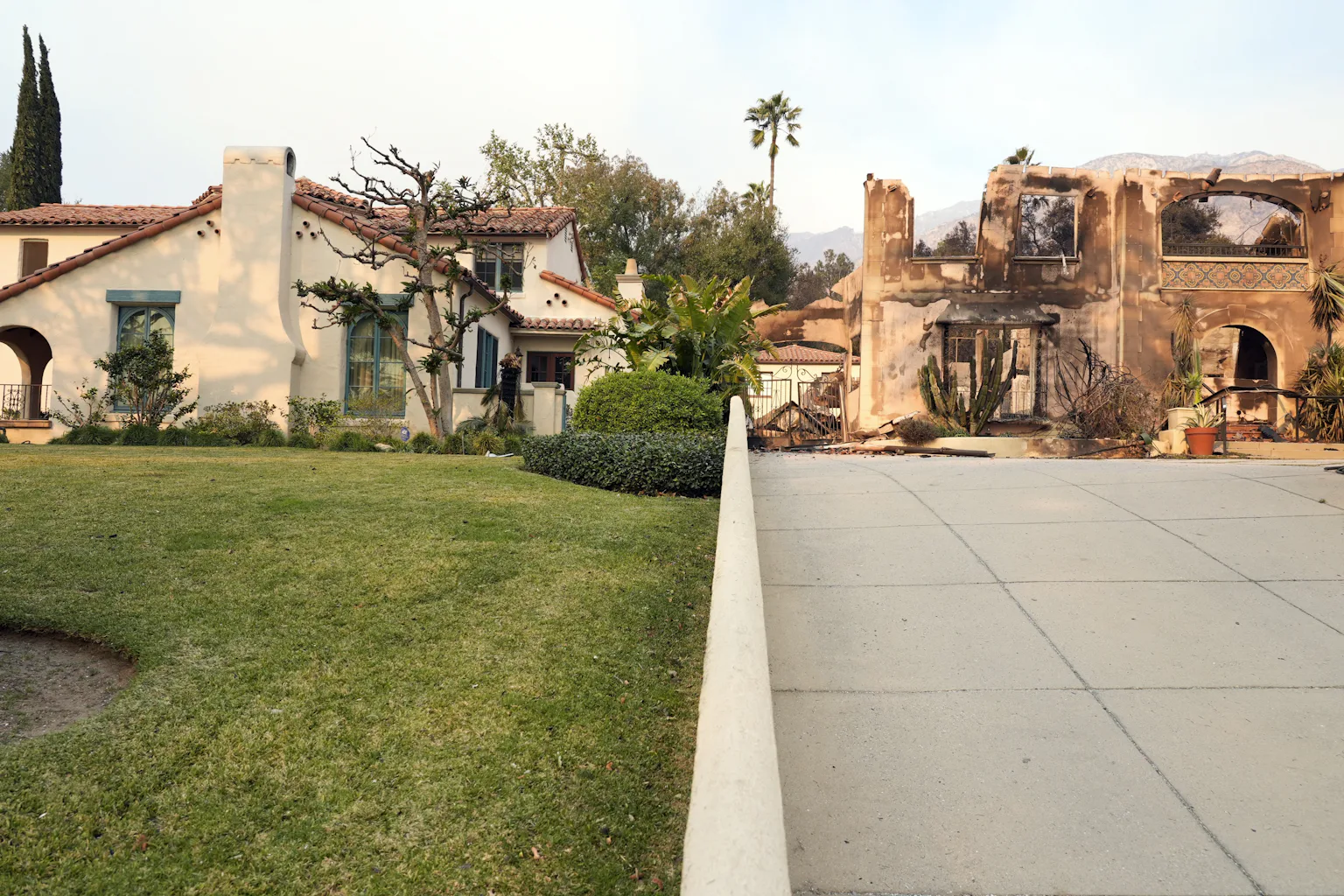
The data revealed that homes often ignite not from direct flame exposure but from embers—tiny, wind-driven particles that can travel over a mile ahead of a wildfire.

To combat this, the state introduced the Zone Zero mandate, targeting the first five feet surrounding your home.
The goal is to create a non-combustible buffer zone where nothing can ignite.
On paper, this seems logical; remove the fuel, and you reduce the risk of fire.
However, the reality is far more complicated.
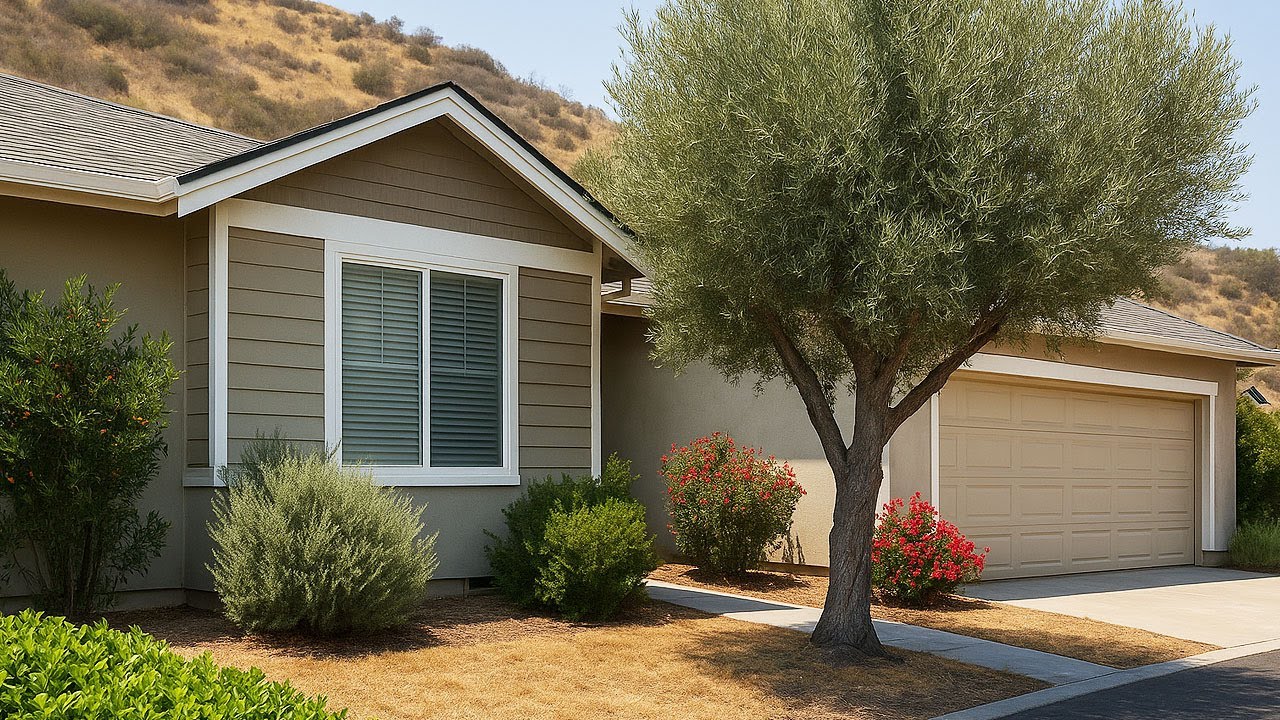
For many homeowners, this five-foot zone is where their beloved rose bushes bloom, where wooden gates keep pets secure, and where mulch protects their home’s foundation.
The state is effectively mandating homeowners to strip away these elements, leaving them with a sterile, featureless landscape.
For new constructions, adhering to these requirements might be straightforward, but for homes built decades ago, retrofitting can be a nightmare.
The financial implications are staggering.
Many retirees live on fixed incomes, carefully budgeting their expenses.
Now, a mandate arrives that requires them to remodel their landscapes at potentially exorbitant costs.

Removing mature vegetation, replacing wooden fences with non-combustible materials—these are not minor expenses.
They can run into thousands or even tens of thousands of dollars.
For a 35-year-old, tackling these changes might be a weekend project, but for a 75-year-old with mobility issues, the reality is far different.
They find themselves at the mercy of a labor market where costs are soaring and contractors are in high demand.
This creates a compliance gap where the law demands action, but the financial means to comply may be lacking.
The underlying issue is compounded by the insurance crisis in California.
Major insurance carriers are withdrawing from the market, halting new policies, and non-renewing existing ones.
They are reevaluating risk models and deeming it too expensive to insure homes in the state.
This has sent the government into a state of panic.
Without insurance, homeowners cannot secure mortgages, leading to a potential freeze in the real estate market and a crash in property values.

This would result in a significant loss of property tax revenue, which is critical for state funding.
Thus, Zone Zero is not merely about fire safety; it is a desperate attempt by the state to reᴀssure insurance companies that they are mitigating risk.
Instead of managing the forests effectively—an endeavor that requires billions and years of bureaucratic effort—the state is shifting the burden to homeowners.
It is easier to mandate that you remove your bushes than to clear vast stretches of federal land.
This places homeowners in a precarious position.
They may dislike the idea of sacrificing their gardens, but if their insurance agent warns them that compliance is necessary to maintain coverage, they face an impossible choice.
The insurance industry is becoming the enforcer of state policy, and the consequences of non-compliance can be severe.
Beyond the financial implications, there is a psychological toll to consider.
For many retirees, their home is not just a financial ᴀsset; it is a repository of memories and the center of their lives.
When the government mandates changes that feel invasive, it disrupts their sense of stability and security.
This phenomenon, known as “solastalgia,” refers to the distress caused by environmental changes, but here it manifests as regulatory distress.
Older homeowners are left asking, “What if I can’t comply? What if I make a mistake? Will I face fines? Will I lose my home?”
The fear of inspectors scrutinizing their properties adds another layer of anxiety.
For a generation that prides itself on self-reliance, the inability to manage these changes is demoralizing and forces them to seek help from others.
Skepticism is also prevalent among long-time residents who have witnessed a series of shifting policies.
They remember being advised to plant trees for shade, only to be told later that those same trees must be removed for fire safety.
This fatigue leads to a sense of betrayal; many feel the social contract has been broken.
They pay taxes with the expectation that the state will manage infrastructure and safety, yet they find themselves responsible for maintaining compliance.
However, the reality is that the rules are changing, and homeowners must adapt to a new landscape shaped by climate change and evolving insurance markets.
So, how can homeowners protect themselves while navigating the complexities of the Zone Zero mandate?

First, it’s essential to remain informed.
Homeowners should verify if they live in a high fire hazard severity zone by checking resources like the CalFire website.
Understanding the regulations and timelines is crucial; these policies often do not apply immediately to all homeowners and may only trigger upon selling or remodeling.
Second, homeowners should view compliance as an investment.
If spending money on hardening measures like installing mesh vents keeps their insurance policy active, it can provide significant long-term savings.
Third, seek out financial ᴀssistance.
Various grant programs are available to help with the costs of compliance.
Homeowners should not ᴀssume they must pay full price for necessary changes.
Fourth, documentation is key.
Keeping records of any work done can help homeowners prove their compliance and potentially secure discounts on insurance premiums.
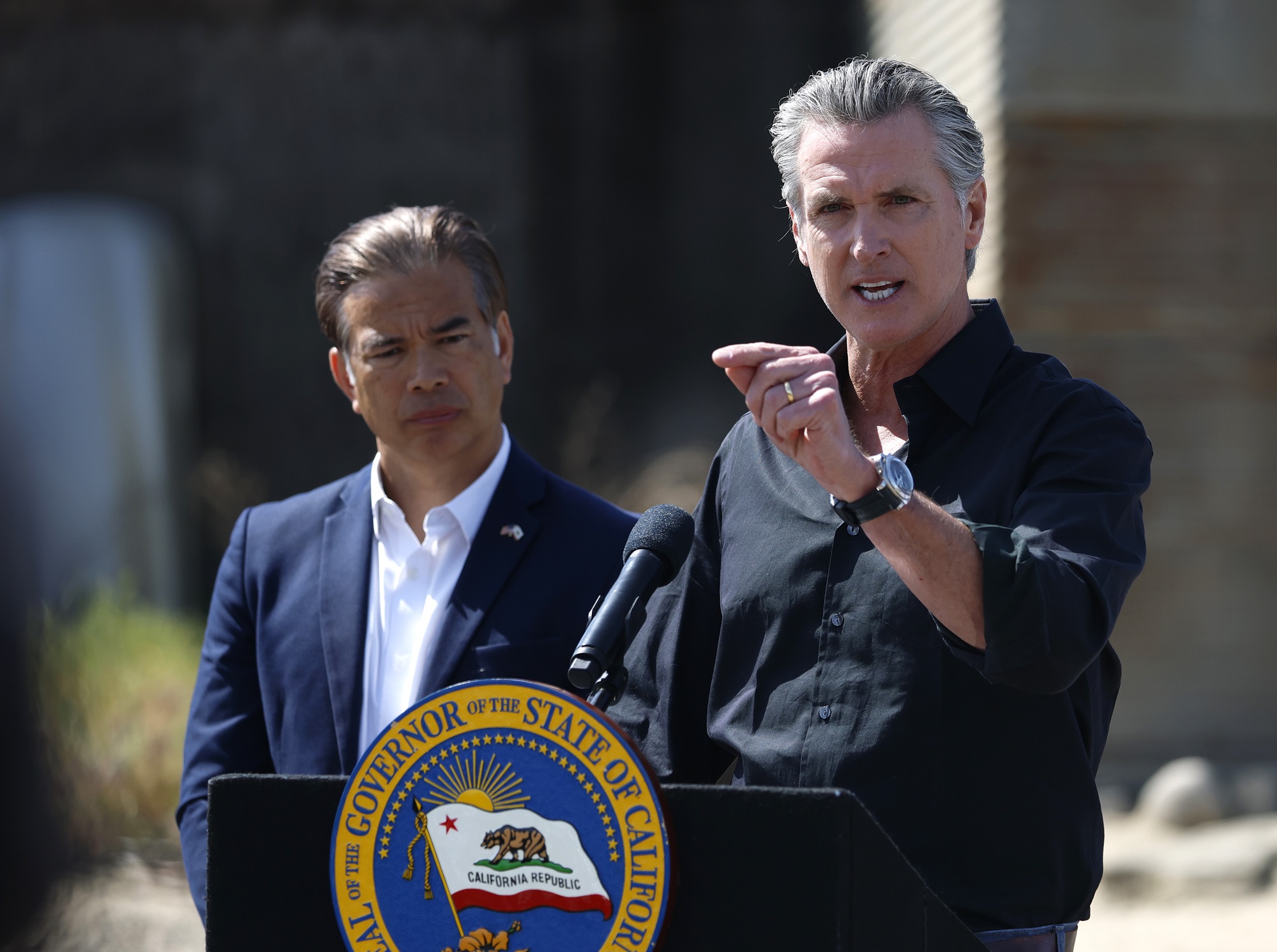
As we zoom out, the conversation surrounding Zone Zero reveals a broader issue regarding the future of homeownership in high-risk areas.
The shift from unconditional ownership to conditional stewardship is becoming apparent.
Homeowners must maintain their properties to meet state standards, and for many, this is a heavy burden that forces a choice: adapt or leave.
We are already witnessing a trend of people exiting California, driven not just by taxes but by the overwhelming sense of exhaustion from constant regulatory changes.
However, for those who choose to stay, adaptation is essential.
Homeowners must shift their mindset, viewing their gardens not just as aesthetic spaces but as necessary defensive fortifications.
Ignoring the realities of the Zone Zero mandate is no longer an option.
As we conclude, I want to address the seniors and long-time homeowners watching this.
You have weathered economic downturns and natural disasters, demonstrating resilience.
While the Zone Zero policy presents challenges, it is surmountable.
Take a strategic approach: ᴀssess your risks, budget for necessary changes, seek out financial ᴀssistance, and execute your plans at a manageable pace.
Don’t allow fear to paralyze you.
The state’s rollout may be messy, but you are the CEO of your household.
If you feel overwhelmed, reach out to your neighbors.
You are likely not alone in facing these challenges.
By banding together, you can find solutions and save costs on compliance.
Stay informed, strategic, and proactive in protecting your home.
Subscribe to Tax Hack Pro for ongoing updates on property rights, insurance crises, and regulatory changes that affect your bottom line.
Together, we can navigate this new landscape and ensure our homes remain the sanctuaries they were meant to be.


