The Hidden Network: A Major Drug Bust in Marysville, Washington
In a quiet suburb of Marysville, Washington, federal agents executed a raid that would expose a significant drug trafficking operation hidden in plain sight.
On February 20, 2026, authorities seized 9 kilograms of cocaine, 6.8 kilograms of crystal meth, and over $155,000 in cash from a single residence, revealing the extent of cartel influence in suburban America.
This operation was not a spontaneous action but rather the culmination of months of meticulous surveillance and intelligence gathering, illustrating the sophisticated methods employed by organized crime networks.
The house in question appeared unremarkable, nestled among trimmed lawns and parked cars, with no visible signs of danger.
However, behind its front door lay a hub of illegal activity, managed by Luis Dononaldo Galana Garcia, a 29-year-old Mexican national suspected of orchestrating drug distribution across Western Washington.

Garcia’s role was not that of a street-level dealer but rather a coordinator, managing the flow of drugs and cash, directing shipments, and overseeing logistics.
Federal documents indicated that the house served as a staging point, where drugs were temporarily stored before being redistributed, highlighting how cartels have adapted their operations to blend into residential areas.
This tactic allows them to evade scrutiny while maintaining a steady supply chain, a strategy that has increasingly become the norm among trafficking groups.
The raid occurred at approximately 6:30 a.m., as federal agents from ICE and the FBI moved in with precision, ending months of quiet observation.
The timing of the operation was critical, taking place during a period of heightened national attention on drug trafficking and corruption within federal law enforcement.
As agents flooded the entryway, they quickly secured the premises, uncovering packages of cocaine and crystal meth hidden in inconspicuous locations throughout the house.
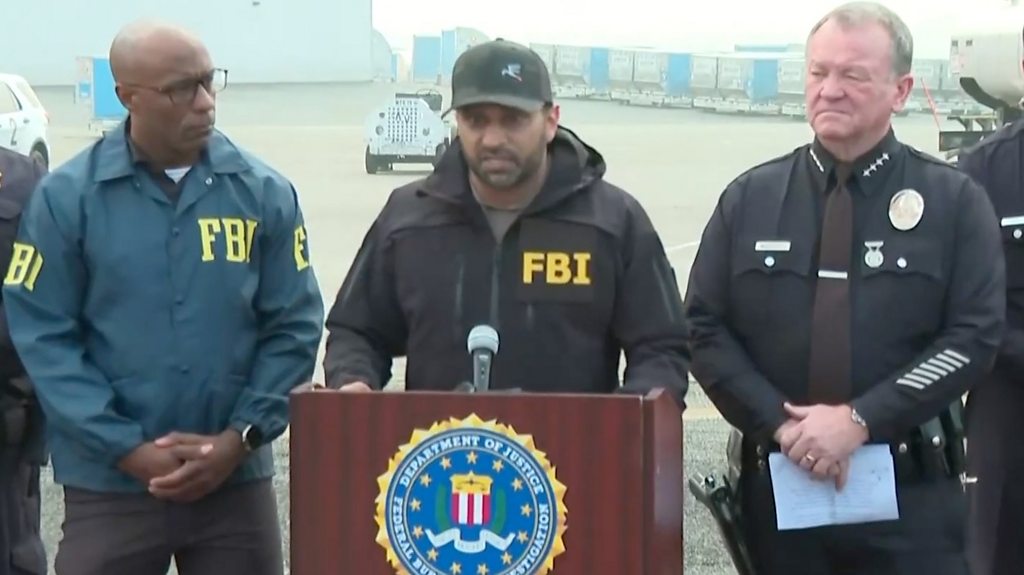
The presence of cash bundles further indicated ongoing transactions, while firearms found on the premises underscored the security risks ᴀssociated with organized crime operations.
Investigators noted that the house had been adapted for its purpose, with the layout designed to facilitate drug storage and distribution rather than personal living.
This adaptability reflects a broader trend among cartels to operate from suburban stash houses, where they can draw less attention from law enforcement and the community.
Luis Dononaldo Galana Garcia was taken into custody without incident, a detail that signified his role as a key player in the operation rather than a mere foot soldier.
Prosecutors emphasized that removing a coordinator like Garcia could disrupt the entire network, as he was responsible for managing the timing and flow of drug shipments.
The operation that unfolded in Marysville was not a sudden discovery but rather the final act in a carefully orchestrated plan that began months earlier.

Federal authorities had identified suspicious patterns in drug movements and financial transactions, leading to a comprehensive investigation that involved multiple agencies working together.
Rather than rushing to make arrests, investigators opted for a patient approach, allowing them to build a robust case that would target the heart of the operation rather than just its surface elements.
This strategy is indicative of a shift in U.S. law enforcement’s approach to drug trafficking, focusing on dismantling the infrastructure that supports these networks.
The raid in Marysville raises important questions about how cartel operations can function undetected within American communities for extended periods.
The calm demeanor of the traffickers suggested a sense of confidence, likely bolstered by perceptions of corruption and the belief that they could operate without fear of exposure.
Just days before the Marysville raid, national headlines had highlighted a separate scandal involving a former DEA agent convicted of protecting drug traffickers, casting a shadow over law enforcement’s effectiveness.
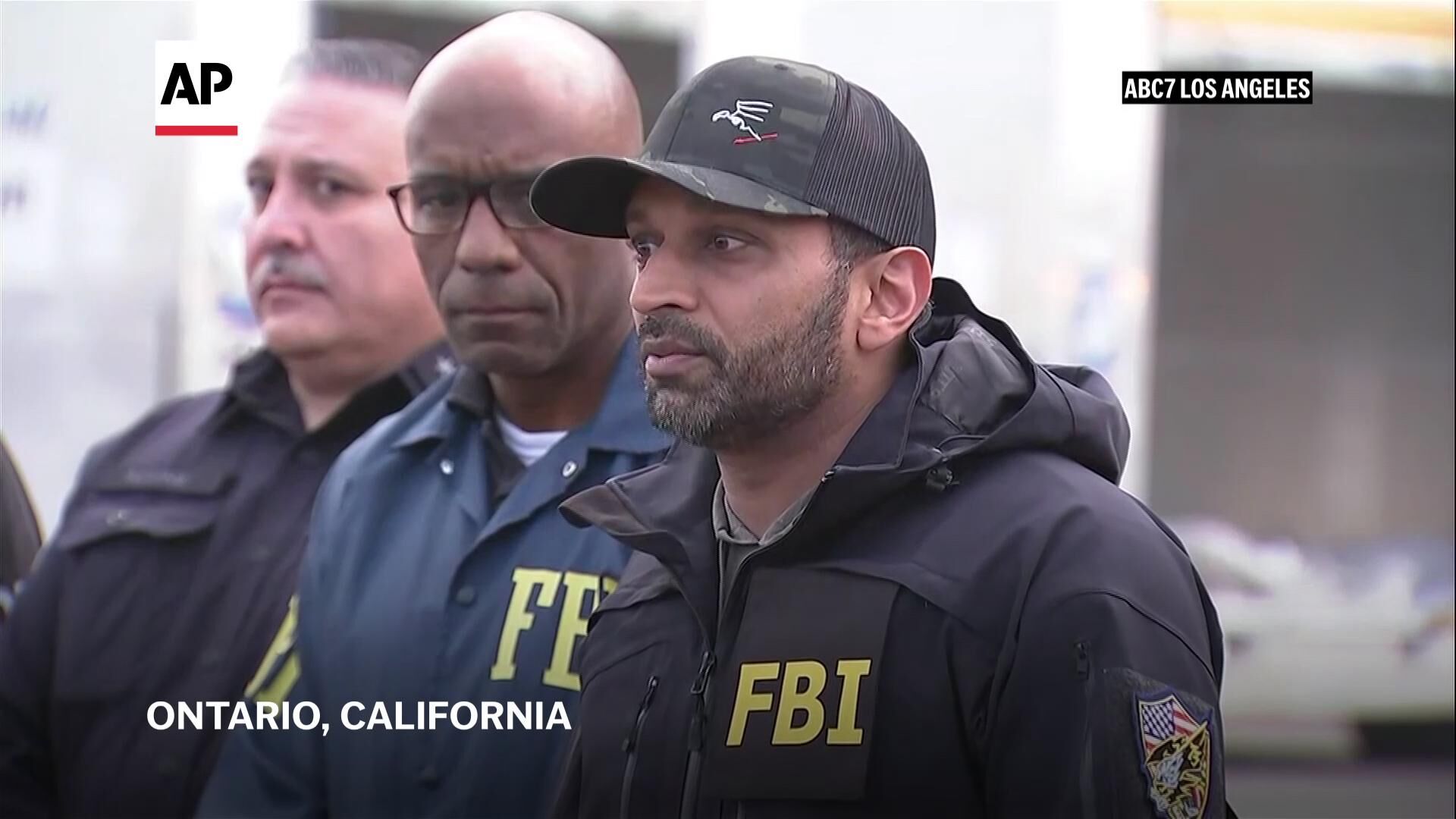
Such incidents contribute to a culture of complacency among traffickers, who may feel emboldened by the belief that law enforcement is not a unified front but rather a system with vulnerabilities.
This environment of perceived safety allows cartel networks to thrive, relying on routine and invisibility to maintain their operations.
The Marysville case serves as a reminder that while one operation can be dismantled, the larger issue of cartel infiltration remains a pressing concern.
Federal agencies are increasingly focusing on conspiracy and coordination charges, aiming to remove those who understand the logistics of drug trafficking rather than merely arresting low-level operatives.
As the investigation into the Marysville operation continues, it highlights the importance of addressing the systemic issues that allow drug trafficking networks to flourish.

The presence of similar cartel-linked cases in Washington state suggests that the problem extends beyond a single incident, indicating a broader pattern of organized crime embedding itself within suburban areas.
In conclusion, the Marysville raid reveals not only the complexities of modern drug trafficking but also the need for a coordinated, patient approach to dismantling these networks.
The question remains: how many other operations are currently functioning under the radar, waiting for the moment when the silence is finally broken?
The fight against drug trafficking is far from over, and as law enforcement continues to adapt, the focus must remain on understanding and addressing the structures that allow these networks to thrive.
For those interested in following more investigations like this, subscribing to military power will provide insights into the ongoing battle against organized crime and the strategies employed to combat it.


