The Awful Ending and Heartbreaking Death of Don Knotts & His Wife
For millions of Americans, Don Knotts will forever be Deputy Barney Fife — the jittery, overconfident lawman of The Andy Griffith Show whose nervous bluster became one of the most iconic performances in television history. With his bulging eyes, quivering voice, and impeccable timing, Knotts transformed anxiety into art. But off-screen, the fears that fueled his comedy never truly left him.
Born Jesse Donald Knotts on July 21, 1924, in Morgantown, West Virginia, he grew up in circumstances far removed from the warmth of Mayberry. The Great Depression cast a long shadow over his childhood, but the deeper hardship came from within his own home.
His father struggled with severe mental illness and alcoholism, creating a tense and unpredictable environment. As the youngest of four boys, Don learned to stay quiet, observant, and cautious.
When his father died, the chaos eased — but the anxiety remained embedded in him. His mother became his emotional anchor, working tirelessly to keep the family afloat. Small in stature and painfully shy, Don often found himself the target of teasing. He retreated into movies and performance, discovering that ventriloquism allowed him to speak through a wooden dummy what he was too timid to say himself.
World War II changed his trajectory. Serving in the Army Special Services, Knotts entertained troops with comedy routines. In war zones filled with uncertainty, he realized laughter had power. His nervous energy, once a source of embarrᴀssment, became a gift.

After the war, he pursued entertainment in earnest. Small television and radio roles gradually built his résumé. Appearances on The Steve Allen Show showcased his signature persona — the flustered, high-strung character that would soon define him.
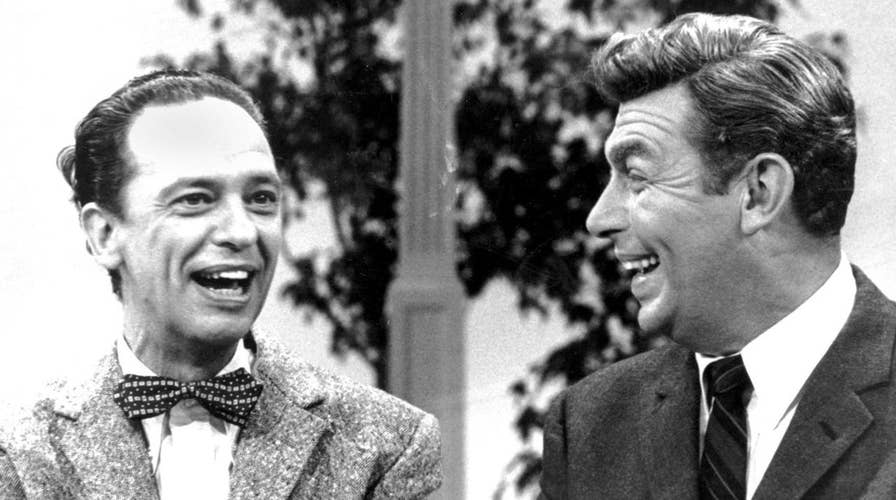
When Andy Griffith was developing a sitcom about small-town life, he saw in Knotts the perfect foil. Barney Fife was born.
From 1960 to 1965, Don Knotts became one of the brightest stars on television. He won five Emmy Awards for his portrayal of Barney, an extraordinary achievement that cemented his place in entertainment history.
Yet even at the peak of success, insecurity lingered. He worried constantly about forgetting lines or failing to be funny. The very anxiety audiences adored was no act — it was deeply personal.

His private life was equally complex. He married his college sweetheart, Kathryn Metz, in 1947. She supported him long before fame arrived, and together they had two children. But as his career accelerated, distance and stress strained the marriage. They divorced in 1964 after 17 years together.
Tragically, Kathryn died in 1966 at just 38 years old. The sudden loss deeply affected Knotts. Friends later noted that he carried a quiet sorrow, feeling unresolved guilt about how their relationship had ended.

His second marriage, to Loralee Czuchna in the 1970s, lasted nearly a decade before ending in divorce. Knotts remained intensely private, rarely courting Hollywood’s social spotlight. It was not until much later in life that he appeared to find lasting companionship.
In 2002, at age 78, he married actress Frances Yarborough.
By then, his health had begun to decline. He was battling macular degeneration, which threatened his vision, and chronic respiratory problems that would later be diagnosed as lung cancer. Despite physical weakness, he continued to work when possible — including voice roles and guest appearances — because performing remained his refuge.

One of his greatest regrets traced back decades earlier. In 1965, believing he had secured a promising film contract with Universal Pictures, Knotts left The Andy Griffith Show.
While he enjoyed moderate success in family comedies and later revived his popularity as landlord Ralph Furley on Three’s Company, he eventually admitted he wished he had stayed in Mayberry longer. The film deal never delivered the long-term stability he expected. For Knotts, it wasn’t about fame or money — it was about leaving behind something that felt like home.
On February 24, 2006, Don Knotts pᴀssed away at age 81 in Los Angeles from complications related to lung cancer and pneumonia. His death marked the end of an era for classic television.
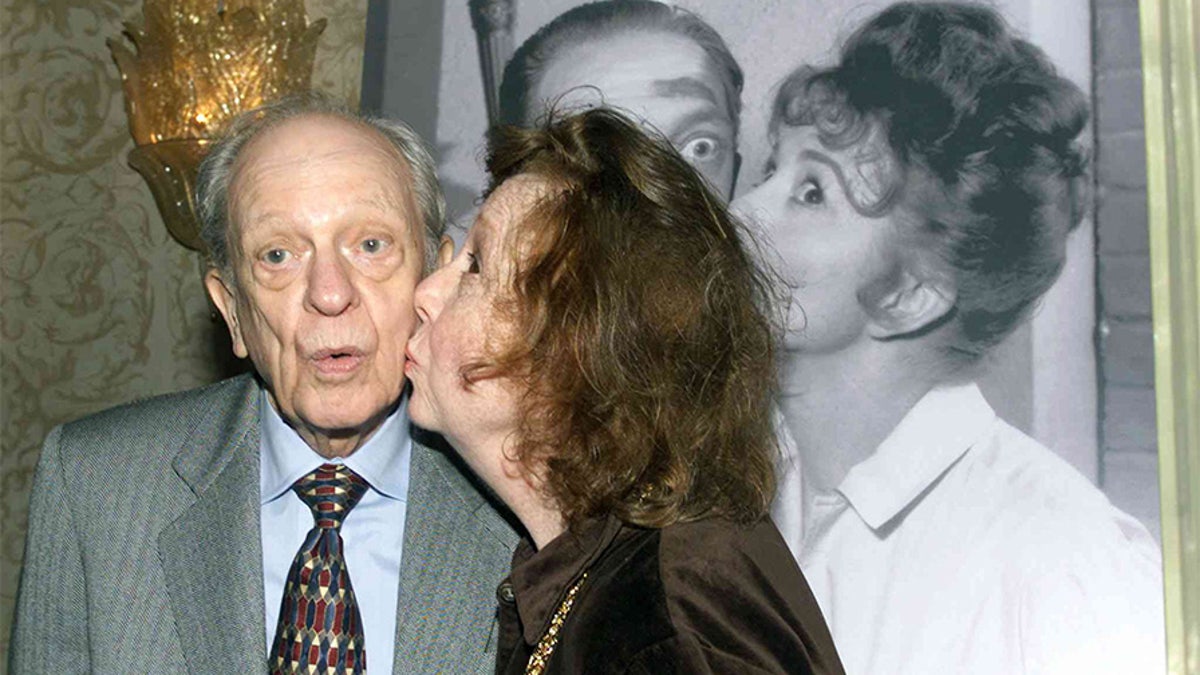
Frances Yarborough remained by his side during his final years, offering stability and care as his health deteriorated.
Though intensely private, she was described by those close to the couple as a steady, loving presence.
Years later, she too pᴀssed away quietly, away from public attention — a reminder that even those connected to Hollywood legends often choose lives far from its glare.
Don Knotts’ story is not simply one of laughter. It is a portrait of a man who transformed personal fear into universal joy.
He taught audiences that vulnerability can be powerful, that nervousness can be charming, and that courage sometimes looks like stepping onto a stage despite trembling hands.
Behind the badge of Barney Fife stood a man who never stopped battling his own doubts. Yet he kept performing.
He kept smiling. And in doing so, he gave generations something priceless: laughter that still echoes long after the curtain fell.


