Viral Storm: What Eddie Griffin and Katt Williams Really Said About the Industry
Social media erupted this week after explosive claims began circulating that Eddie Griffin and Katt Williams had “joined forces” to expose alleged “sacrifices” tied to legendary music executive Clive Davis.
The language was dramatic.
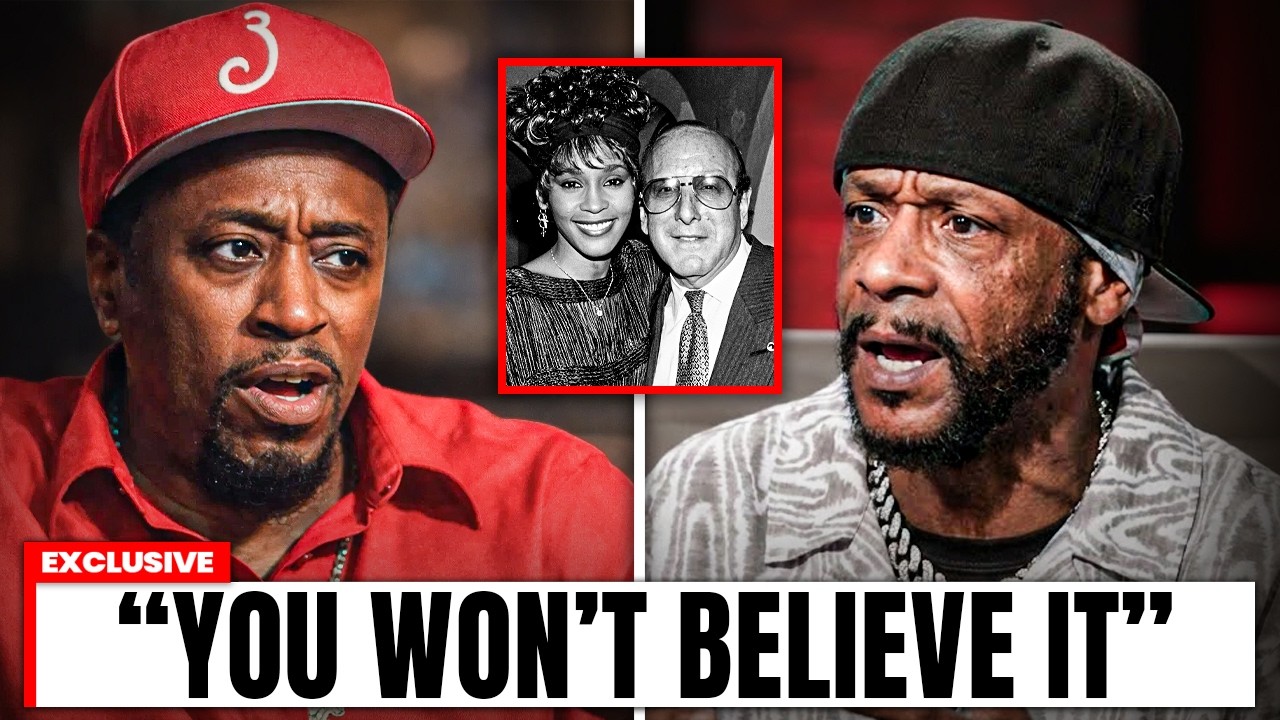
The insinuations were darker.
The engagement numbers skyrocketed.
But here’s what needs to be clearly stated: there is no verified evidence supporting claims of literal “sacrifices” or criminal conduct involving Clive Davis connected to statements made by Griffin or Williams.
So what is actually happening?
The controversy appears to stem from broader commentary both comedians have made in recent interviews and stand-up appearances about power structures in the entertainment industry.
Katt Williams, in particular, has recently generated headlines for candid interviews in which he criticized systemic exploitation, gatekeeping, and alleged misconduct within Hollywood and the music business.

Those critiques, however, were largely thematic — not specific criminal accusations involving ritualistic wrongdoing.
In viral clips now circulating, commentary about “sacrifices” appears to be metaphorical, referencing the emotional, financial, or moral compromises artists may feel pressured to make in order to achieve success.
Internet speculation has taken that language literally.
Clive Davis, a towering figure in the music industry for decades, has been instrumental in the careers of artists ranging from Whitney Houston to Alicia Keys.
His Grammy-week parties are industry landmarks.
His influence is historic.
When high-profile comedians criticize the music industry, and Davis’s name surfaces in online discussion, conspiracy narratives ignite quickly.
But correlation does not equal confirmation.
Neither Eddie Griffin nor Katt Williams has released a formal joint statement accusing Davis of criminal “sacrifices.
” No law enforcement agency has announced investigations.
No verified court filings support the dramatic claims circulating online.
So why is the story trending?
Because both Griffin and Williams have reputations for fearless, often provocative commentary.
Their willingness to speak bluntly about industry politics makes them lightning rods for viral amplification.
In recent months, Katt Williams has delivered interviews that reignited conversations about Hollywood’s power dynamics.
He questioned how fame is distributed, who controls opportunity, and what personal costs accompany success.
Eddie Griffin has long incorporated industry critique into his comedy, often framing it as a warning about corruption and manipulation.
In the digital era, clips extracted from longer conversations can lose nuance.
When a comedian references “selling your soul” or “sacrificing who you are,” it may reflect cultural metaphor — not literal occult accusation.
But online culture often gravitates toward the most sensational
interpretation.
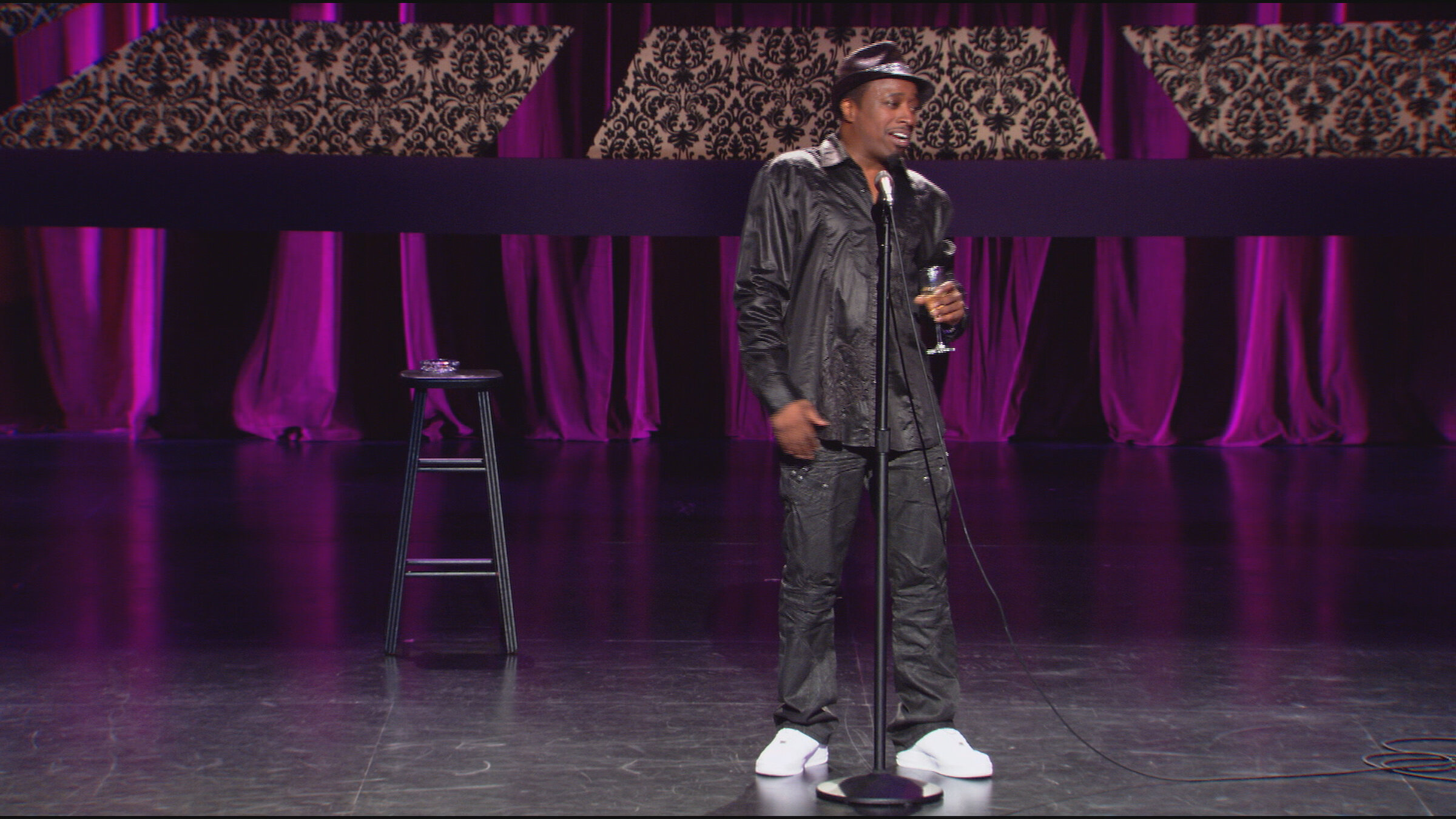
Clive Davis, for his part, has not issued any statement responding to the viral claims.
Historically, Davis has maintained a focus on business and artistry rather than engaging directly with rumor cycles.
His career spans over half a century.
He has been honored with lifetime achievement awards and credited with shaping modern pop and R&B landscapes.
High-level industry executives frequently become subjects of conspiracy theories — particularly in moments when artists publicly criticize structural power.
It’s a pattern seen repeatedly.
When musicians or comedians discuss “the dark side of the industry,” audiences sometimes attach specific names, even absent direct accusation.
Experts in media literacy caution against conflating metaphorical language with factual claims.
Entertainment has always had its share of behind-the-scenes politics — contracts, gatekeeping, favoritism, financial disputes.
Artists speaking out about those dynamics are not new.
But turning systemic critique into allegations of ritual crime without evidence crosses into misinformation.
Neither Griffin nor Williams has presented documentation or direct accusation of literal sacrificial activity involving Clive Davis.
What they have discussed — in broader terms — is the idea that the industry can demand loyalty, silence, or compromise from those seeking entry.
That conversation deserves nuance.
The music industry, like any large insтιтution, has faced documented controversies over contracts, royalties, and power imbalance.
Those discussions are grounded in verifiable legal disputes.
But viral framing transforms structural critique into lurid conspiracy.
The phrase “join forces to expose” suggests coordinated action.
At present, there is no confirmed collaborative campaign between Griffin and Williams targeting Davis.
Both comedians operate independently.
Katt Williams has been on a recent media tour addressing various industry grievances.
Eddie Griffin continues touring and incorporating social commentary into his stand-up sets.
The intersection appears to be audience interpretation rather than formal alliance.
Clive Davis’s legacy remains significant.
His work with artists across genres has shaped decades of music history.
If serious allegations of criminal conduct were substantiated, they would warrant investigation and media coverage grounded in evidence.
As of now, no such verified evidence exists.
What this episode highlights is the power of viral narrative construction.
A clip.
A metaphor.
A powerful name.
Combined with existing public skepticism about elite insтιтutions.
The result? A trending headline implying something far darker than what has been documented.
Public figures — whether comedians or executives — operate in a landscape where every statement can be reframed.
Griffin and Williams are known for pushing boundaries rhetorically.
Their commentary about industry exploitation resonates with audiences who already distrust entertainment power structures.
But resonance does not equal proof.
Until credible evidence emerges from reliable sources, the “expose” remains a narrative fueled by interpretation rather than documentation.
The entertainment industry’s history includes documented exploitation — unfair contracts, career sabotage, financial mismanagement.
Those realities deserve scrutiny.
But conflating systemic critique with unverified claims of ritual “sacrifices” muddies legitimate conversations.
For now, what we have is viral speculation — not confirmed scandal.


