A Pastor, A Secret Affair, and a Midnight Murder in Small-Town Ohio
In the early morning hours in Tip City, Ohio, a peaceful cul-de-sac became the center of a devastating crime that would rock the community to its core. Ashley Flynn, 37, a teacher, coach, devoted mother of two, and pregnant with her third child, was found sH๏τ to death in her bed. Her husband, 39-year-old Caleb Flynn, a former pastor and worship leader at their local church, initially told authorities that an intruder had broken into their home and murdered her.
According to police reports, the 911 call came in around 2:30 a.m. Caleb sounded frantic, telling dispatchers that someone had entered through the garage and sH๏τ his wife in the head. Their two young daughters were asleep down the hall. Officers arrived to find Ashley ᴅᴇᴀᴅ in the bedroom from two gunsH๏τ wounds. The scene appeared, at first glance, to be a burglary gone wrong.

Tip City is not known for violent crime. Neighbors described the area as safe and close-knit. The idea that a random intruder had entered a family home and executed a pregnant woman seemed unthinkable—but so did the alternative.
As the investigation unfolded, law enforcement began to question the initial narrative. Authorities searched the surrounding neighborhood using drones, canine units, and doorbell camera footage. They found no evidence of a fleeing suspect. There were no signs of forced entry consistent with an outside break-in, and nothing of value appeared to have been taken.
Investigators also noted inconsistencies in the scene. The weapon used was reportedly a 9mm handgun belonging to Caleb, typically kept in his vehicle.
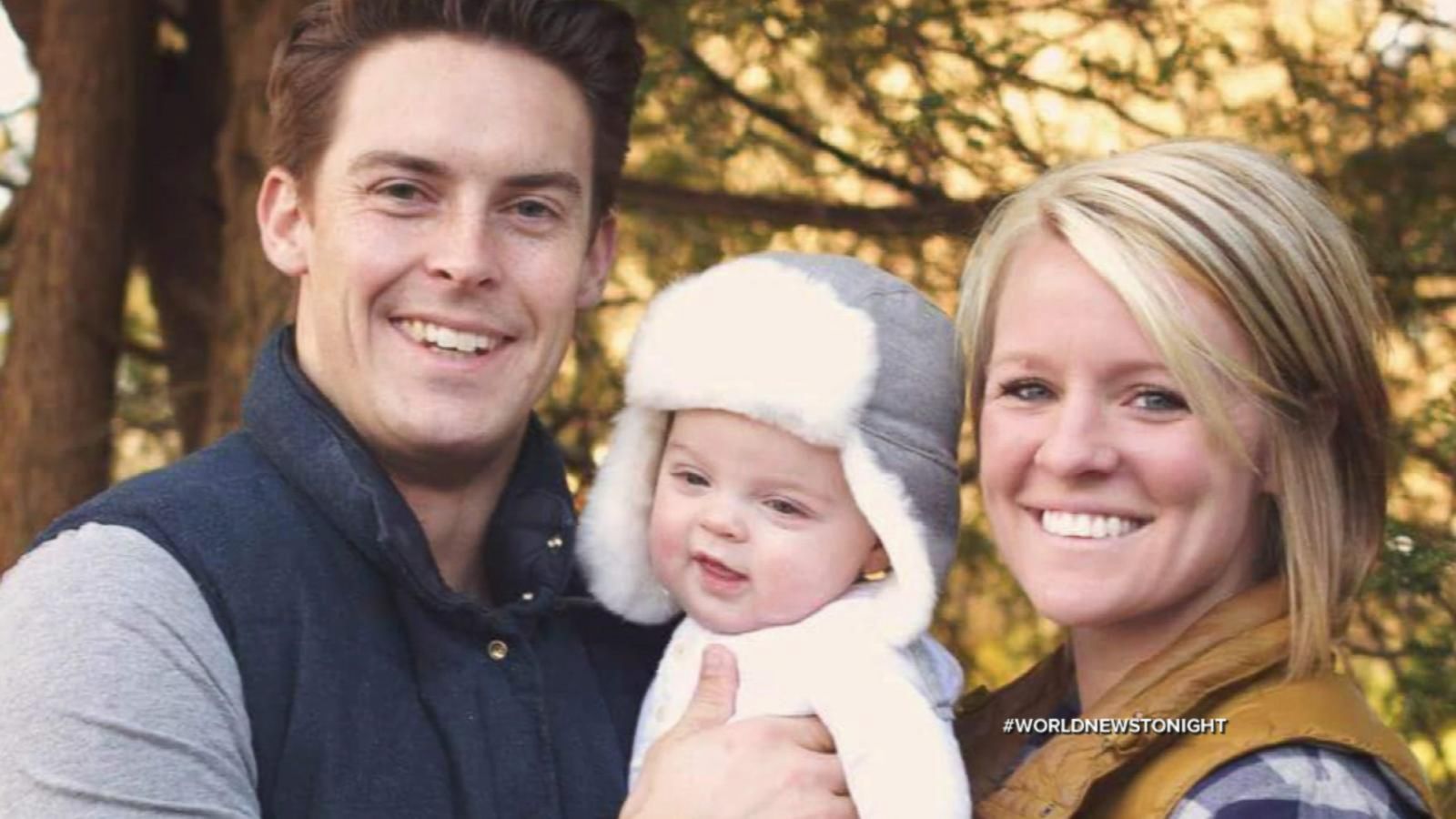
The theory that a stranger had broken in, located his firearm, committed the murder, and left without leaving a trace raised red flags.
Within days, the Ohio Bureau of Criminal Investigation and the FBI joined local authorities. As digital evidence was examined, detectives uncovered information that shifted the case dramatically. According to investigators, Caleb Flynn had been engaged in an extramarital affair with another worship leader from the same church.
The revelation stunned the community. Caleb had stood on stage each Sunday, leading congregants in songs about faith, devotion, and integrity. Ashley often attended services, unaware—police allege—of the relationship unfolding behind the scenes.

Prosecutors believe the affair provided a motive. Divorce would have meant public scrutiny, financial consequences, shared custody of children, and potential damage to his reputation within the church. Instead, authorities allege, Caleb chose a far darker path.
Three days after Ashley’s death, Caleb Flynn was arrested and charged with murder, felonious ᴀssault, and tampering with evidence. In court, bond was set at $2 million. A judge ordered no contact between him and his children. Caleb has maintained his legal rights, and his attorney has questioned the speed and thoroughness of the investigation.

Meanwhile, Ashley’s family released a statement expressing confidence in law enforcement’s work and graтιтude for community support.
The emotional toll of the case extends far beyond the courtroom. Ashley was remembered as compᴀssionate and generous—a subsтιтute teacher who invested deeply in her students, a volleyball coach who encouraged young athletes, and a mother who centered her life around her daughters. She was also preparing to welcome a new baby into the world.
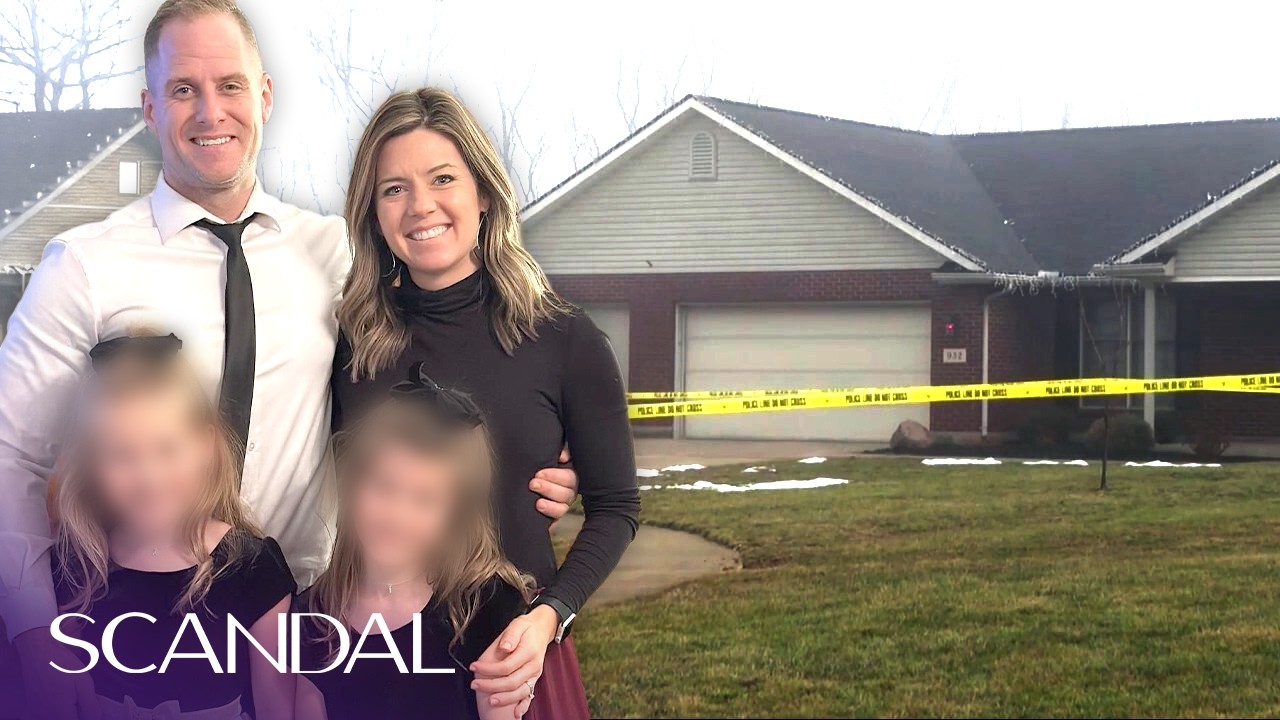
The loss of her unborn child adds another layer of heartbreak. In one violent act, prosecutors argue, two lives were taken. Friends say Ashley was excited about expanding her family, making plans and dreaming of the future. Those plans ended abruptly in the darkness of that February night.
Perhaps most tragic are the two young daughters left behind. They were home when the shooting occurred, sleeping just rooms away. Now they face a reality no child should endure—the loss of their mother and the incarceration of their father. Child psychologists note that in cases where children lose both parents simultaneously—one to death and one to criminal charges—the trauma can be profound and long-lasting.
Community members gathered days later to honor Ashley’s life. Wearing shirts that read “Live Like Ashley,” they shared memories, prayed together, and attempted to make sense of what had happened. The service was both a memorial and a reckoning: How could someone trusted as a spiritual leader stand accused of such a crime?
The case challenges ᴀssumptions about appearances. Caleb Flynn had no prior criminal record. He had presented himself publicly as a devoted husband and father. Yet investigators say the digital trail, forensic evidence, and inconsistencies at the scene tell a different story.
As the legal process continues, many questions remain. What specific forensic evidence led to the arrest?

Will additional charges be filed? What role, if any, will the alleged affair partner play in future proceedings? Those answers will unfold in court.
For now, Tip City mourns a woman described as a “light” in her community. Ashley Flynn’s name has become synonymous not only with tragedy but with a sobering reminder: sometimes the most shocking acts of violence occur behind closed doors, hidden beneath carefully constructed images.

The presumption of innocence remains a cornerstone of the justice system.
Caleb Flynn will have his day in court. But regardless of the verdict, the consequences of that February morning are irreversible—two children without their mother, a family fractured, and a community forever changed.
Ashley Flynn and her unborn child are remembered not for the violence that ended their lives, but for the love they brought into the world while they were here.


