Harmony, Hype, and Heartbreak: The Rise and Rift of The Bangles
Before the era of Spice Girls-style global domination, before Destiny’s Child redefined pop-R&B girl groups, there was The Bangles—a band that actually played their instruments, wrote their own material, and fused jangly ‘60s pop with ‘80s new wave cool. They weren’t manufactured. They were musicians.
The spark ignited in January 1981 in Los Angeles when Susanna Hoffs met sisters Vicki and Debbie Peterson. Bonding over a shared love of The Byrds, The Beatles, and The Beach Boys, they sang together and immediately locked into a flawless three-part harmony. It wasn’t rehearsed. It wasn’t calculated. It was magic.
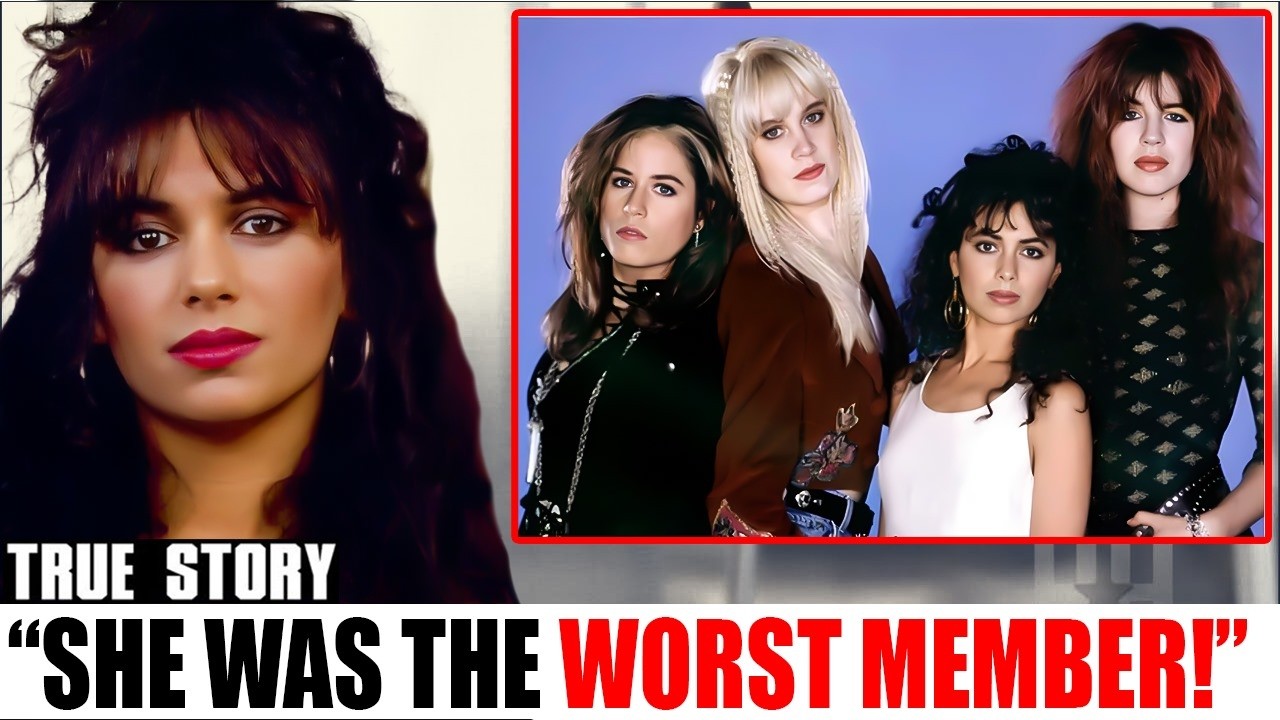
After cycling through a few early band names, they became The Bangs—later forced to rename themselves The Bangles due to a legal conflict. With bᴀssist Annette Zilinskas completing the early lineup (later replaced by former Runaways member Michael Steele), they dove into L.A.’s Paisley Underground scene—a retro-psychedelic counterpoint to the dominant punk and synth-heavy sounds of the time.
Their 1984 debut album All Over the Place didn’t explode commercially, peaking modestly on the Billboard 200, but it earned them credibility. They toured relentlessly, building a loyal college radio following and proving they were more than just a pH๏τogenic novelty.
Then came Prince.

The pop icon became enamored with their sound and gifted them “Manic Monday,” a song originally written under his pseudonym “Christopher.” That single, released in 1986 on their sophomore album Different Light, changed everything. The album soared to No. 2 on the Billboard 200 and eventually sold millions worldwide.
And then there was “Walk Like an Egyptian.”
It was quirky. It was catchy. It was everywhere. The song topped charts globally and became a cultural phenomenon, complete with the now-iconic sideways arm dance. MTV couldn’t stop playing the video. The Bangles had officially crossed over from cult rock favorites to mainstream pop royalty.

But mᴀssive success often carries invisible consequences.
As Different Light dominated the charts, media attention increasingly centered on Susanna Hoffs. With her wide-eyed camera gaze and effortless charisma, she became the face of the band. Although all four members sang lead on different tracks and contributed creatively, the spotlight narrowed.
It wasn’t entirely intentional—but it was relentless.
By the time their third album, Everything (1988), was released, the fractures were showing. The record produced another No. 1 hit, “Eternal Flame,” along with “In Your Room,” but internally the band was splintering. Members were recording separately. Communication broke down. Resentment simmered.

Industry pressure intensified the divide. Management reportedly floated solo opportunities to individual members. Media narratives framed Hoffs as the breakout star. The band dynamic shifted from collaborative to compeтιтive.
The emotional toll was severe. Debbie Peterson later revealed that the tension and psychological strain during that period pushed her into a deeply dark place. What fans saw as glamorous success masked private distress.
In 1989, at the peak of their popularity and while planning an international tour, The Bangles abruptly disbanded.

Hoffs pursued a solo career, scoring a modest hit with “My Side of the Bed,” but she later admitted the experience was far more difficult than expected. Without the band structure, she faced the full weight of creative and commercial responsibility alone.
Michael Steele eventually stepped away from the music industry entirely. Vicki and Debbie Peterson continued working on various musical projects, but the era of Bangles dominance had ended.
Beyond internal conflict, there was another factor that shaped their trajectory: Sєxism.

The Bangles occupied an uncomfortable space in rock history. Too polished for some rock purists. Too guitar-driven for pop traditionalists. Frequently reduced to their looks rather than their musicianship. While male peers in the Paisley Underground scene were praised as innovators, The Bangles were often dismissed as lightweight hitmakers.
They were either objectified or underestimated—rarely evaluated on purely musical terms.
Yet time has a way of reframing legacy.
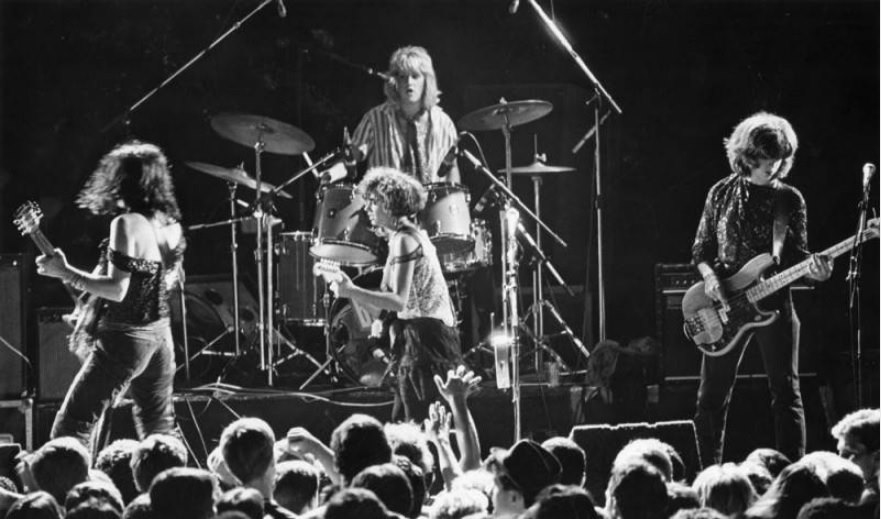
The band reunited in the late 1990s, later releasing Doll Revolution (2003) and Sweetheart of the Sun (2011). Though they never reclaimed their mid-’80s commercial dominance, they regained something arguably more important: balance. Maturity softened old tensions. Collaboration felt healthier.
Today, each member has carved out her own path. Hoffs has released recent solo albums and even authored a novel. Vicki Peterson continues performing in side projects. Debbie Peterson remains active in music collaborations. Michael Steele has embraced a quieter life outside the spotlight.
So what really destroyed The Bangles?
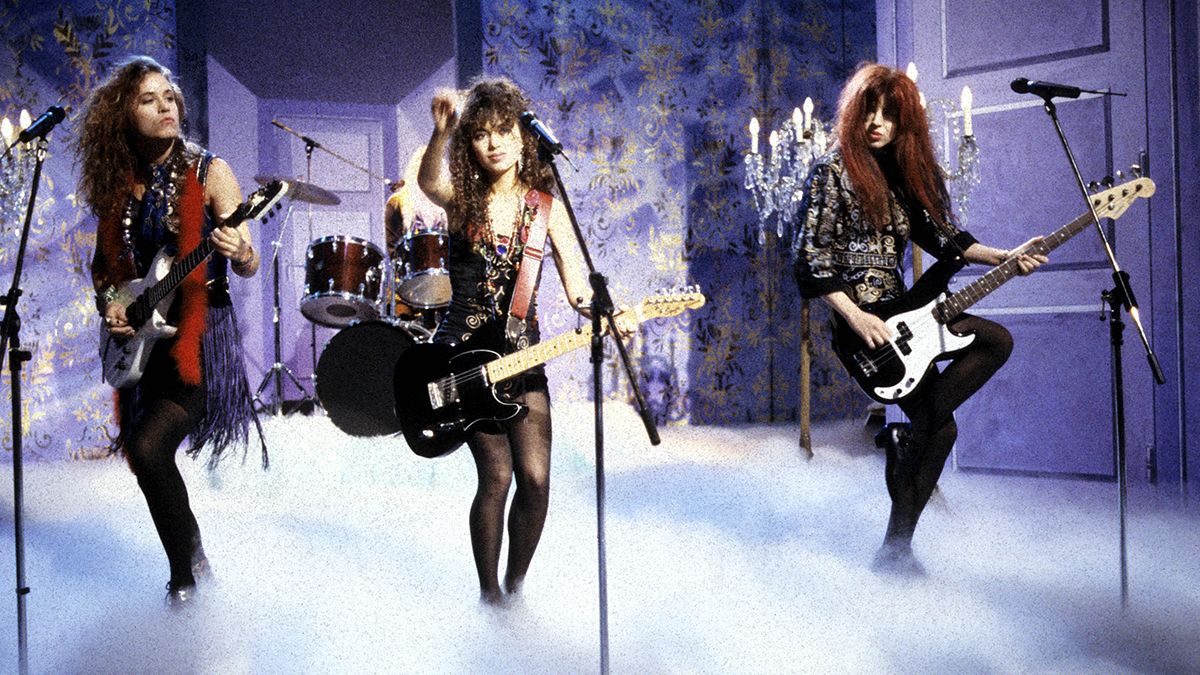
It wasn’t one song. Not one glance in a music video. Not even one ego.
It was the collision of sudden fame, industry marketing pressures, gender bias, and unresolved internal tension. A band built on harmony struggled when the business amplified dissonance.
But destruction isn’t the whole story.

Their songs endure. “Manic Monday” still plays on office radios.
“Eternal Flame” still scores wedding dances. And “Walk Like an Egyptian” still gets crowds moving decades later.
In the end, The Bangles didn’t disappear—they became part of pop-rock history. And maybe their greatest legacy isn’t just the hits, but the blueprint they quietly laid for future generations of women who refused to choose between pop success and rock credibility.


