Tasha K’s Explosive Allegation Sparks Controversy 🔥
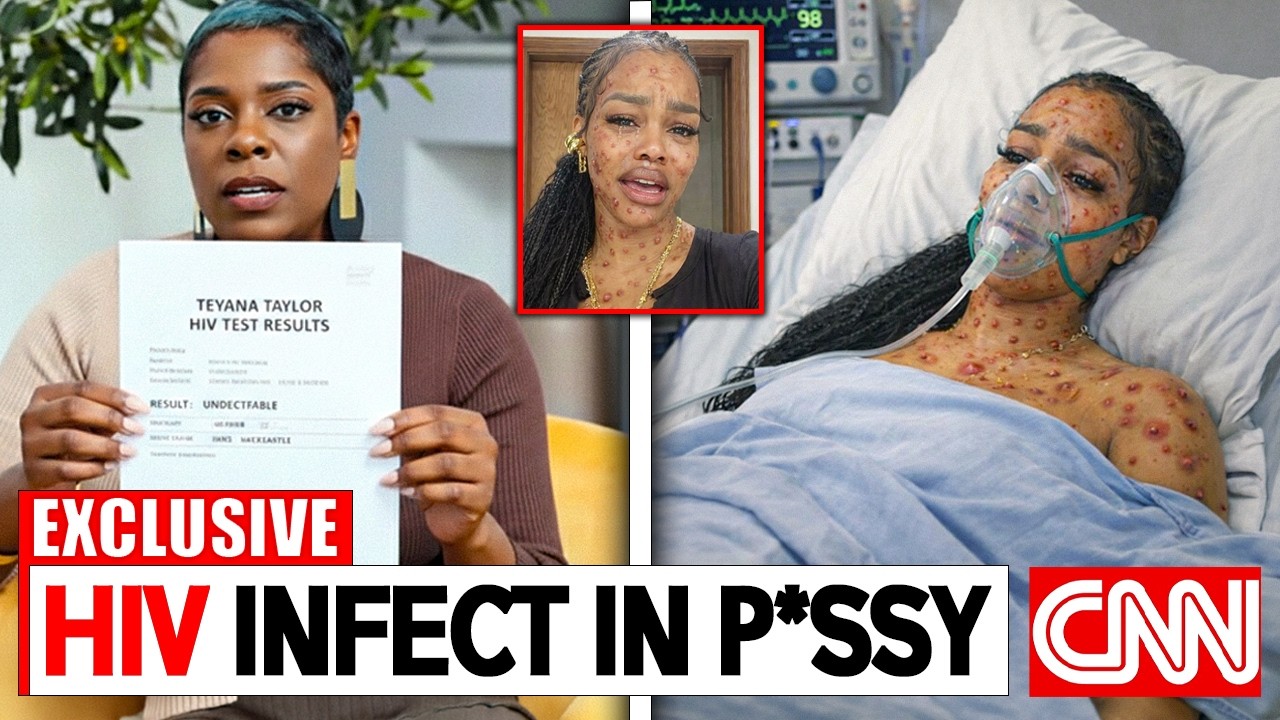
A viral wave erupted online after claims surfaced that Tasha K had “revealed” alarming HIV test results involving Teyana Taylor, with captions suggesting doctors were “worried.
” The headline spread rapidly, triggering shock, concern, and heated debate across social platforms.

But before diving into the emotional reaction, one crucial fact must be established: there is no verified medical report, official confirmation, or credible documentation supporting the claim that Teyana Taylor has received or disclosed concerning HIV test results.
The narrative appears to stem from commentary made during online discussion segments, where speculation was layered onto vague health references without direct evidence.
Within hours, clips were edited, re-captioned, and reframed into a far more dramatic storyline than what was actually stated.
It is important to understand the context surrounding such claims.
Tasha K is known for provocative celebrity commentary.
Her online presence frequently includes bold allegations and sensational framing that spark intense engagement.
However, engagement does not equal verification.
Public health information, especially regarding HIV status, is deeply personal and protected under privacy laws.
No legitimate medical provider has released statements about Teyana Taylor’s health.
Teyana Taylor has not publicly confirmed any HIV diagnosis.
There are no official interviews, medical disclosures, or legal documents substantiating the viral claim.
In situations like this, misinformation spreads quickly because it combines three powerful elements:
– A recognizable celebrity
– A serious medical condition
– A dramatic narrative implying secrecy

HIV, in particular, carries historic stigma.
False or unverified allegations about someone’s HIV status can cause reputational harm and emotional distress.
Medical privacy is not optional; it is protected and ethically sensitive.
Health-related claims demand the highest level of verification.
In this case, there is none.
Observers note that edited video clips circulating online appear to exaggerate tone and omit context.
Short excerpts presented with bold captions can create the illusion of confirmed revelation even when no direct medical evidence exists.
As of now:
– No official diagnosis has been confirmed.
– No credible health authority has released documentation.
– No public statement from Teyana Taylor validates the rumor.
Medical experts emphasize that HIV testing and results are confidential.
Even if someone chooses to speak about their health, it would come from the individual or authorized representatives — not through third-party speculation.
The broader issue here reflects a troubling trend in digital media: weaponizing health rumors for engagement.
Alleging serious illness without evidence can cross ethical boundaries.
Teyana Taylor, known for her resilience and artistic versatility, has consistently maintained control over her public narrative.
She has spoken openly in the past about wellness, fitness, and motherhood — but she has not announced any HIV-related health concerns.
The rapid spread of the rumor illustrates how sensational phrasing — “doctors worried,” “bad results” — can override caution.
Emotional urgency encourages sharing before verifying.
It is also worth noting that public figures often become targets of health hoaxes.
False reports about cancer, heart conditions, or other serious illnesses have frequently circulated about celebrities, only to be debunked later.
The current claim falls into that pattern.
Responsible reporting requires distinguishing between commentary and confirmation.
Allegations regarding someone’s HIV status cannot be treated as entertainment speculation.
Until Teyana Taylor herself or a verified medical source confirms otherwise, the claim remains unsubstantiated rumor.
And when health, dignity, and privacy are involved, rumor should never outrun fact.


