Beyond the Spotlight: The Private Truth of Tina Turner
When Tina Turner died in May 2023 at the age of 83, the tributes were immediate and thunderous. Headlines celebrated the Queen of Rock ’n’ Roll, replaying her explosive performances and the triumphant comeback that redefined her career in her forties. The world remembered the icon.
But the man who knew her most intimately—her husband, Erwin Bach—spoke of something quieter. In the weeks following her death, his reflections did not center on fame or awards. Instead, he described a woman who had spent her life learning how to endure pain—and who, in her final years, had finally chosen peace over performance.
That distinction reveals a truth few expected: Tina Turner’s most defining chapter did not happen on stage.

Born Anna Mae Bullock in Nutbush, Tennessee, Tina’s earliest years were marked not by dreams of stardom, but by instability. Her parents’ volatile marriage created an atmosphere of tension and fear. When her mother left the family to escape abuse, Tina was only 11 years old. The abandonment cut deeply. Soon after, her father remarried and distanced himself emotionally, leaving Tina to be raised by strict grandparents.
Affection was scarce. Discipline was abundant. In later interviews, Tina admitted she never truly felt wanted as a child. Those early experiences shaped her understanding of love and survival. Silence became protection. Endurance became instinct.
Long before she stepped onto a stage, she had already learned how to withstand emotional pain.
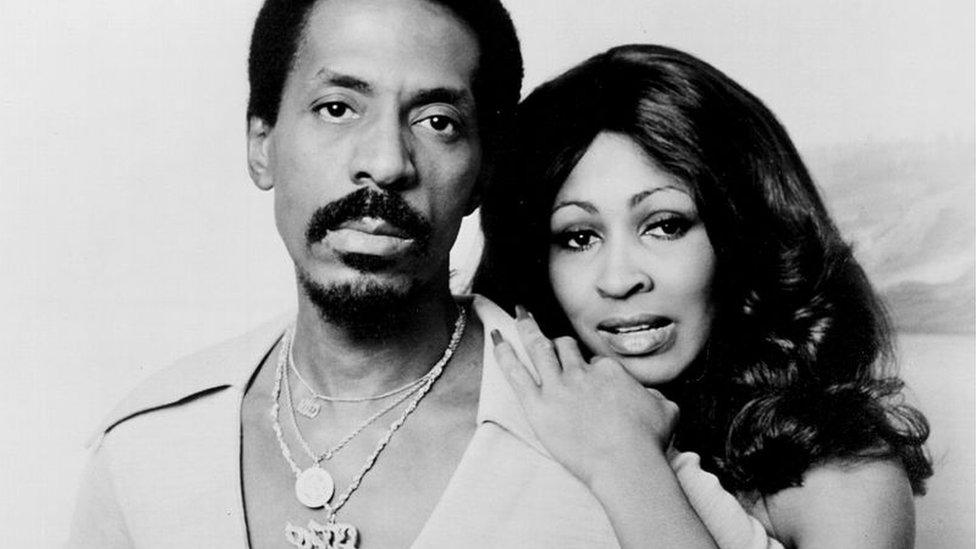
When Ike Turner discovered her in the late 1950s, it felt like opportunity. He gave her a microphone, a new name—Tina Turner—and a place in his band. But he also trademarked that name, legally binding her idenтιтy to him.
Onstage, she was electric. Offstage, she was trapped.
For years, Tina endured systematic physical, emotional, and psychological abuse. She later detailed the violence in her memoir I, Tina, describing a life controlled down to finances, movements, and creative decisions. The public saw glamour and chemistry. Behind closed doors, she lived in fear.
In the 1960s and 70s, conversations about domestic abuse were rare, and victims were often dismissed. Tina stayed silent, covering bruises with makeup and channeling anguish into performances that left audiences breathless. Her strength became both her armor and her prison.

When Tina finally left Ike in 1976, it wasn’t dramatic—it was desperate. She walked away with almost nothing, agreeing in the divorce to relinquish rights to their shared earnings in exchange for keeping her stage name.
At 40, many in the industry believed her career was over. She performed in small venues, took on television appearances, and worked tirelessly to pay debts. It was humiliating and exhausting—but it was free.
For the first time in her life, she did not wake up afraid.
That freedom, however, did not immediately bring healing. Trauma lingers. Tina later turned to Buddhism, chanting daily as a way to reclaim control over her inner world. Healing, she learned, was a slow and deliberate process.

In 1984, Private Dancer shattered expectations. At 44, Tina Turner became a global superstar—again. “What’s Love Got to Do with It” wasn’t just a hit single; it was an anthem of emotional independence. Her voice carried not youthful naivety, but seasoned wisdom.
The album sold millions, earning Grammy Awards and filling arenas worldwide. It also challenged an industry that had quietly written her off due to age and gender. Tina’s resurgence proved that reinvention is not about erasing the past, but transcending it.
Yet even as she reclaimed her throne, she guarded her personal life carefully.

Erwin Bach entered Tina’s life in 1985. Unlike her past relationships, this one unfolded slowly. He was not intimidated by her fame, nor did he attempt to control her world. He offered consistency, calm, and respect—qualities she had rarely known.
In interviews after her death, Bach emphasized that their relationship was built not on spectacle but on safety. “She had already conquered the world,” he once said. “What she wanted was peace.”
The most powerful testament to his devotion came in 2017, when Tina faced kidney failure. Bach donated one of his kidneys to her—quietly, without publicity. It was an act of love that required no applause.
After decades of chaos, Tina chose a quieter life in Switzerland, eventually renouncing her U.S. citizenship. She stepped away from touring, from constant visibility, from the demands of performance. According to Bach, she cherished ordinary routines—meals at home, time in the garden, moments of stillness.
“She was happy,” he revealed simply after her pᴀssing. Not triumphant. Not unstoppable. Just happy.

The unexpected truth Erwin Bach revealed is not scandalous—it is profound. Tina Turner’s greatest victory was not her Grammy wins or sold-out stadiums. It was her decision to prioritize dignity over fame, peace over applause.
Her life challenges a cultural myth that success equals fulfillment. Fame could not save her from abuse. Applause could not heal childhood wounds. Only autonomy, spiritual growth, and a loving partnership could do that.
Tina Turner leaves behind more than music. She leaves permission—to leave what harms you, to rebuild later in life, to redefine success on your own terms.
When the music fades, what remains is not the spectacle of her performances but the quiet courage of her choices. In the end, Tina Turner was not unbreakable. She was resilient. And resilience, forged in silence, became her most powerful legacy.


