Iberia Overwhelmed: Storm Marta Exposed a System Built to Fail ⚠️🌧️
What unfolded across parts of the Iberian Peninsula during Storm Marta was not simply heavy rain or seasonal flooding.
It was a complete breakdown of balance between land, water, and infrastructure.
As the storm stalled and unleashed relentless downpours, one brutal truth became impossible to ignore: the water had nowhere to go.
From southern Spain to parts of Portugal, entire regions were pushed past their limits as rain fell faster and heavier than drainage systems, rivers, and reservoirs could handle.
Streets filled within minutes.
Rivers rose by meters in hours.
Low-lying neighborhoods became traps, and what had once been routine rainfall escalated into a widespread flood emergency that reshaped cities and terrified millions.
Storm Marta arrived on ground already saturated from weeks of prior rain, turning soil into an impermeable sponge and transforming hillsides into runoff channels.
As the rain intensified, water surged downhill with unstoppable force, pouring into towns, highways, and city centers.
Drainage networks, many built decades ago for a milder climate, failed almost immediately.
Manholes exploded upward under pressure, roads buckled, and floodwaters rushed into homes through doors, windows, and underground garages.
In Andalusia, streets disappeared beneath fast-moving brown water, carrying debris, cars, and entire storefronts downstream.
Bridges that once connected communities became choke points, then collapsed entirely as rivers overwhelmed their foundations.
Emergency sirens echoed through submerged neighborhoods as residents scrambled to higher ground, some climbing onto rooftops and balconies with nothing but flashlights and phones to signal for help.
Portugal faced a similar nightmare as swollen rivers spilled into towns and agricultural zones, drowning farmland and isolating rural communities.
Rail lines were cut, highways closed, and power grids knocked offline as substations flooded.
In some areas, authorities ordered mᴀss evacuations, warning that dams and reservoirs were nearing critical levels.
Shelters filled rapidly as families fled rising waters, uncertain when—or if—they would be able to return.
Rescue crews worked around the clock, navigating submerged streets by boat and wading through chest-deep water to reach trapped residents.
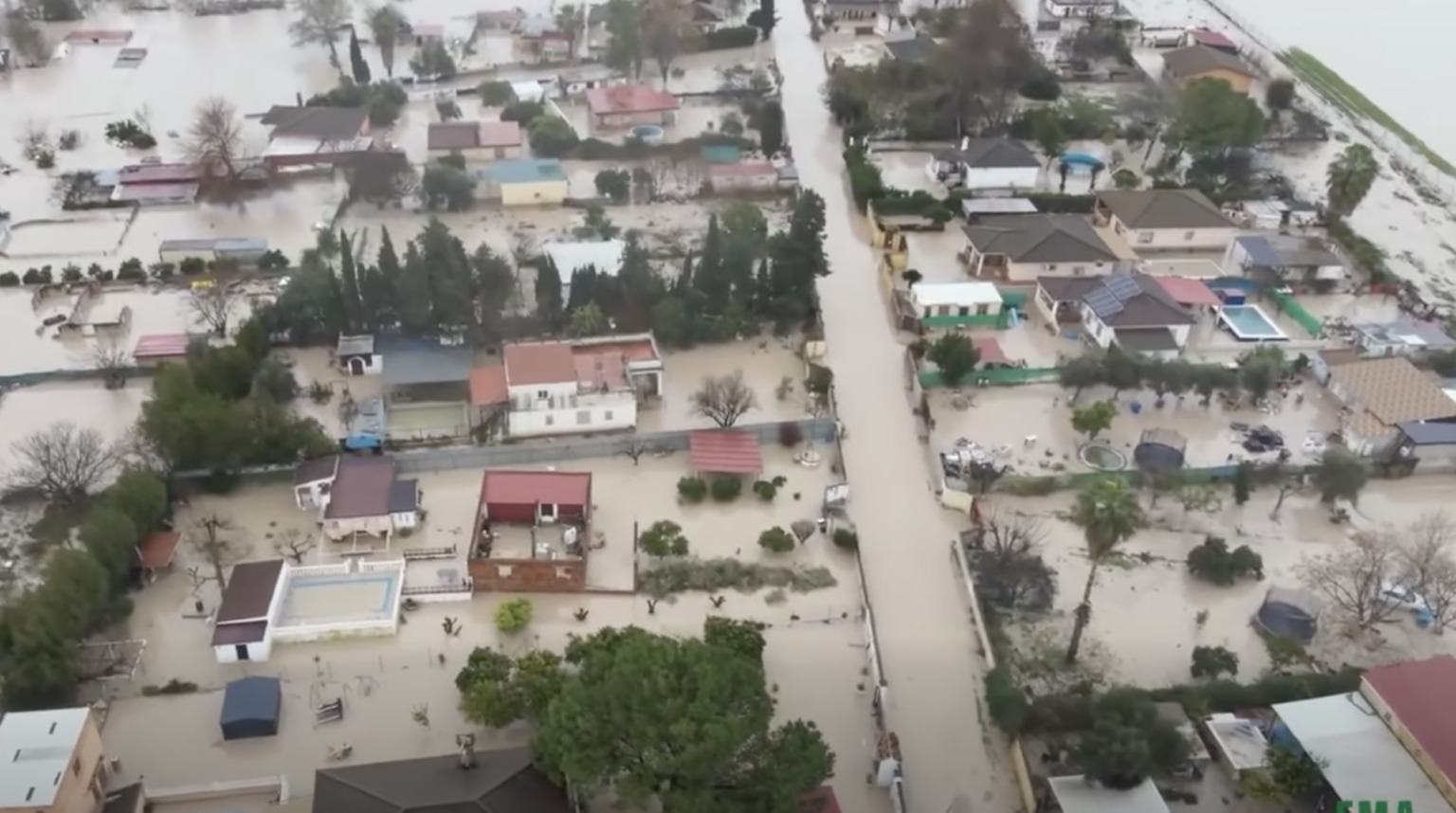
Firefighters, police, and military units carried out dramatic rescues as currents threatened to sweep both victims and responders away.
Each hour brought new emergencies, new evacuations, and new fears as weather radar showed Storm Marta refusing to move on.
Meteorologists described the storm as a perfect convergence of extreme factors: a slow-moving Atlantic system, unusually warm sea temperatures feeding moisture into the atmosphere, and landscapes already pushed to the brink.
Rainfall totals shattered local records, with some areas receiving what normally falls in months in just a single day.
The result was not localized flooding, but a cascading regional crisis.
As floodwaters spread, the damage multiplied.
Homes were filled with mud and debris.
Businesses were destroyed overnight.
Vehicles piled up against barriers like toys.
Agricultural losses mounted rapidly as crops were submerged and livestock drowned, threatening livelihoods far beyond the immediate disaster zone.
Economists warned that the financial toll could reach billions, with long-term impacts still impossible to calculate.
The human cost was even heavier.

Families described moments of sheer panic as water surged through their homes faster than they could react.
Elderly residents were carried out by rescuers.
Parents clutched children as currents roared just meters away.
For many, the storm left not just physical destruction but deep psychological scars.
The sense of safety, of predictability, was washed away along with furniture, memories, and entire neighborhoods.
As the rain finally eased in some areas, the aftermath revealed a transformed landscape.
Streets were buried in thick mud.
Buildings leaned at unnatural angles.
Entire blocks were unrecognizable.
Authorities cautioned that the danger was far from over, warning of landslides, structural collapses, and renewed flooding if additional rain fell on already destabilized ground.
Storm Marta has ignited urgent questions across Iberia about preparedness, climate resilience, and infrastructure failure.
Experts have long warned that extreme weather events are becoming more intense and more frequent, but the scale of this disaster exposed how vulnerable modern cities remain.
When rainfall exceeds design limits, when rivers rise faster than warning systems can respond, and when concrete replaces natural floodplains, the consequences are devastating.
Public anger has grown as residents question why known flood-prone areas were not better protected, why drainage upgrades were delayed, and why warnings failed to reach some communities in time.
Governments have promised investigations, emergency funding, and rebuilding efforts, but trust has been shaken.
For many survivors, the question is no longer whether another storm will come, but when.
Storm Marta did not just flood parts of Iberia.
It exposed a dangerous reality: when nature overwhelms human systems, there is no margin for error.
The water kept rising because there was nowhere left for it to go.
And as climate-driven extremes continue to escalate, the floods of Storm Marta may prove to be not an anomaly, but a warning of what lies ahead.


