Chris Rock & Dave Chappelle’s Response to the Oscars Slap—and What It Revealed About Hollywood
When Will Smith walked onto the Oscars stage in March 2022 and slapped Chris Rock, the world froze in disbelief. Within seconds, the Dolby Theatre shifted from laughter to stunned silence. Within minutes, the footage had traveled across the globe. And within months, the incident would evolve from a shocking live-television ᴀssault into something far bigger—a cultural flashpoint about celebrity, masculinity, comedy, and consequences.
But the real aftershock didn’t come that night.
It came when comedians responded.

For nearly a year after the slap, Chris Rock remained largely silent. He declined interviews. He refused to turn the moment into an immediate media tour. Instead, he saved his response for the stage.
In March 2023, Netflix aired Selective Outrage, its first live-streamed comedy special, broadcast from Baltimore. For most of the show, Rock covered cultural H๏τ ʙuттons—cancel culture, celebrity hypocrisy, and what he called “selective outrage.” Then, with about ten minutes remaining, he turned to the moment everyone had been waiting for.
Rock didn’t yell. He didn’t rant. He dissected.
He reminded audiences that Will Smith is physically larger and had portrayed Muhammad Ali on screen, while Rock joked that he once played “a piece of corn” in an animated film. The humor was self-deprecating, but the message was clear: this was not a fair confrontation.

Then Rock delivered the thesis that defined his response. The slap, he argued, wasn’t about a joke. It was about displaced anger. Referencing Jada Pinkett Smith’s public discussion of her “entanglement” with singer August Alsina, Rock suggested that Smith’s frustration over years of public scrutiny erupted at a safer target—him.
The line that hit hardest wasn’t shouted. It was quietly devastating: “Everybody called him names… and who did he hit? Me.”
Rock framed the slap as selective outrage—rage directed not at the source of humiliation, but at someone unlikely to retaliate. He even addressed why he didn’t fight back, explaining that he was raised not to engage in violence in public, especially in spaces where Black men are judged harshly. That closing punchline reframed restraint not as weakness, but discipline.
It was comedy—but it was also courtroom argument, cultural commentary, and personal catharsis rolled into one.
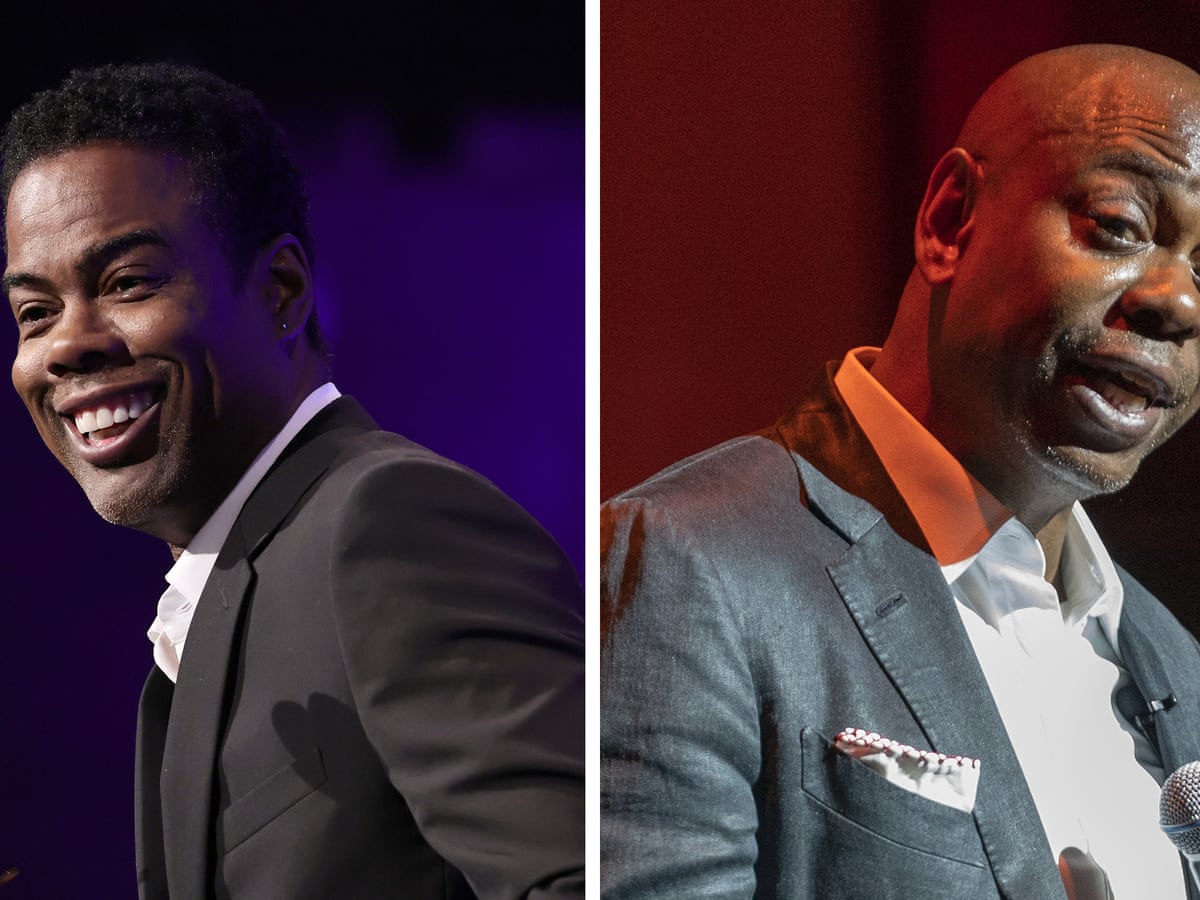
Just five weeks after the Oscars incident, Dave Chappelle was performing at the Hollywood Bowl when a man rushed the stage and tackled him. The attacker carried a replica gun with a knife blade attached. Chappelle escaped serious injury, but the symbolism was unavoidable.
Many comedians saw a connection.
For decades, stand-up comedy operated under what club owners described as an “invisible fence.” Audiences could heckle. They could boo. They could leave. But they did not cross the physical boundary between stage and crowd.
The Oscars slap cracked that barrier.
Chappelle later joked about the ᴀssault, but beneath the humor was a sobering reality: violence against performers had become imaginable. And when something becomes imaginable, it becomes possible.

Later in 2022, Rock and Chappelle embarked on a joint tour across Europe. Though planned before either attack, the shows became symbolic—a united front from two of comedy’s most influential voices.
In Liverpool, Chappelle delivered what may be the most quoted analysis of the slap. For 30 years, he said, Will Smith had presented himself as the perfect Hollywood figure. At the Oscars, “he ripped his mask off.”
Chappelle’s interpretation differed from Rock’s. Where Rock focused on humiliation and displaced rage, Chappelle focused on persona. Fame, he suggested, demands performance. Maintaining an image of perfection for decades creates pressure—and pressure eventually erupts.
Chappelle didn’t excuse the slap. But he humanized it. He even admitted he saw himself in both men: the comedian on stage and the man who lost control.
The duality mattered. Rock prosecuted. Chappelle psychoanalyzed.
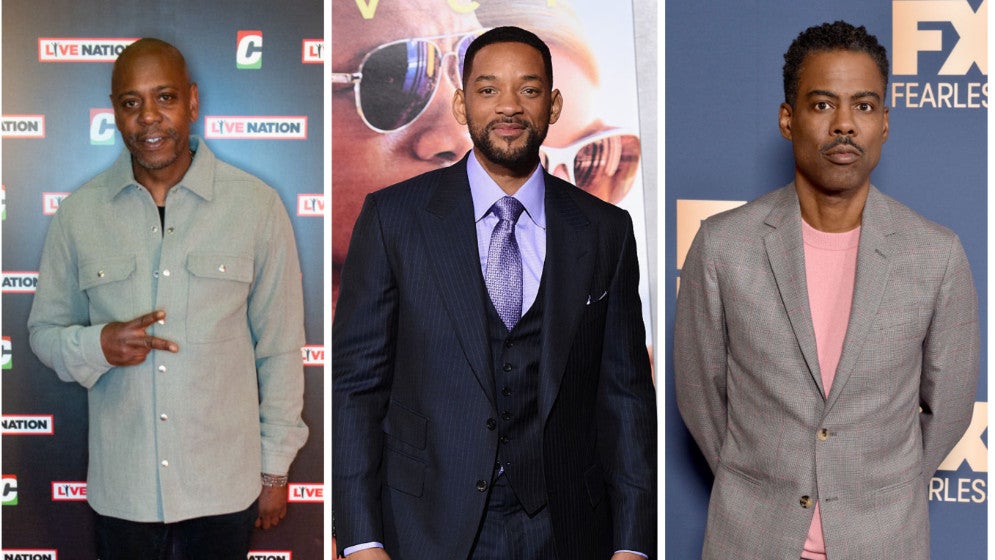
Will Smith resigned from the Academy and was banned from attending the Oscars for ten years. He retained his Best Actor award. Public opinion fractured.
Some defended him as a husband defending his wife. Others saw the act as toxic masculinity amplified by celebrity privilege. The standing ovation he received later that evening fueled accusations that Hollywood protects its own—especially its powerful stars.
Meanwhile, comedians across the country quietly increased security. Venues reᴀssessed stage access. The atmosphere changed.
The core debate wasn’t about one joke or one slap. It was about whether offense justifies violence—and who decides where that line is drawn.
If jokes can trigger physical retaliation, comedy becomes impossible. Stand-up relies on risk. It tests boundaries. It sometimes fails. But once physical ᴀssault enters the equation, the art form itself shifts.

Rock’s Selective Outrage was sharp, personal, and unapologetically confrontational. It aimed to reclaim dignity through exposure.
Chappelle’s later special, The Dreamer, approached the incident more reflectively. He described initially thinking the slap was staged. He revealed that, in the immediate aftermath, Rock answered his call but ignored others—including major public figures. The detail underscored the bond within the comedy community.
Together, the two specials formed a dialogue.
Rock demanded accountability.
Chappelle demanded honesty.
Neither man retreated from the stage. Neither softened their material. If anything, they doubled down.

Did the slap permanently damage Will Smith’s reputation? That depends on how history frames the moment. For some, it will remain an unfortunate lapse in judgment. For others, it exposed something long hidden beneath a carefully constructed brand.
What is undeniable is this: the incident reshaped conversations about celebrity, masculinity, and the limits of public tolerance.
Comedy survived. But it changed.
And perhaps the most powerful response wasn’t outrage or cancellation—it was two comedians walking back on stage, grabbing microphones, and proving that words, not fists, still carry the sharpest impact.


