Sand, Storms, and Survival: The Environmental Crisis Spreading Across Northern China
For centuries, the winds of the Gobi Desert have carried sand across the northern plains of China.
Sometimes the dust drifts quietly, settling over fields and villages like a thin gray veil.
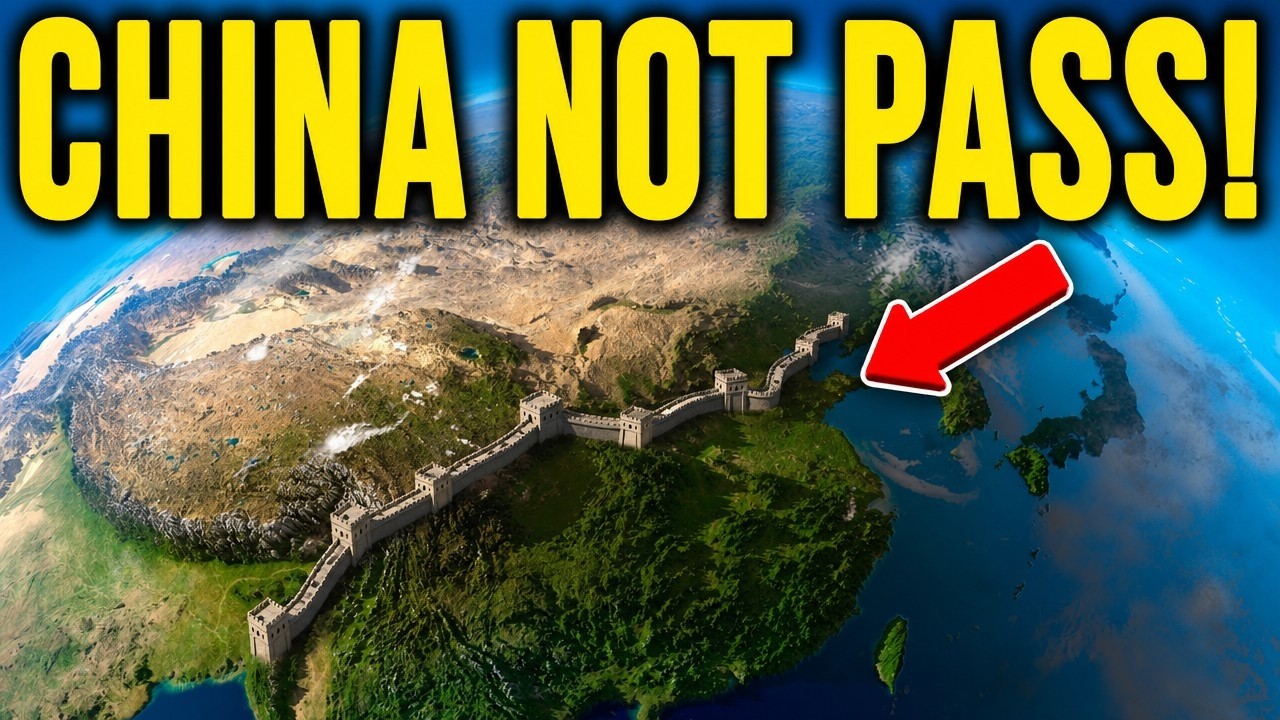
Other times, it arrives as a wall of choking air, turning daylight into a dim orange haze and forcing entire cities indoors.
To many residents of northern China, the desert is not a distant landscape—it is a slow-moving force pressing ever closer.
Now, Chinese officials say the threat is real enough to demand urgent attention.
Desertification, the process by which fertile land turns into desert, has already reshaped vast parts of the country.
And while dramatic headlines sometimes exaggerate the danger, the underlying problem is both serious and long-standing.
The Gobi Desert stretches across northern China and southern Mongolia, one of the largest deserts on Earth.
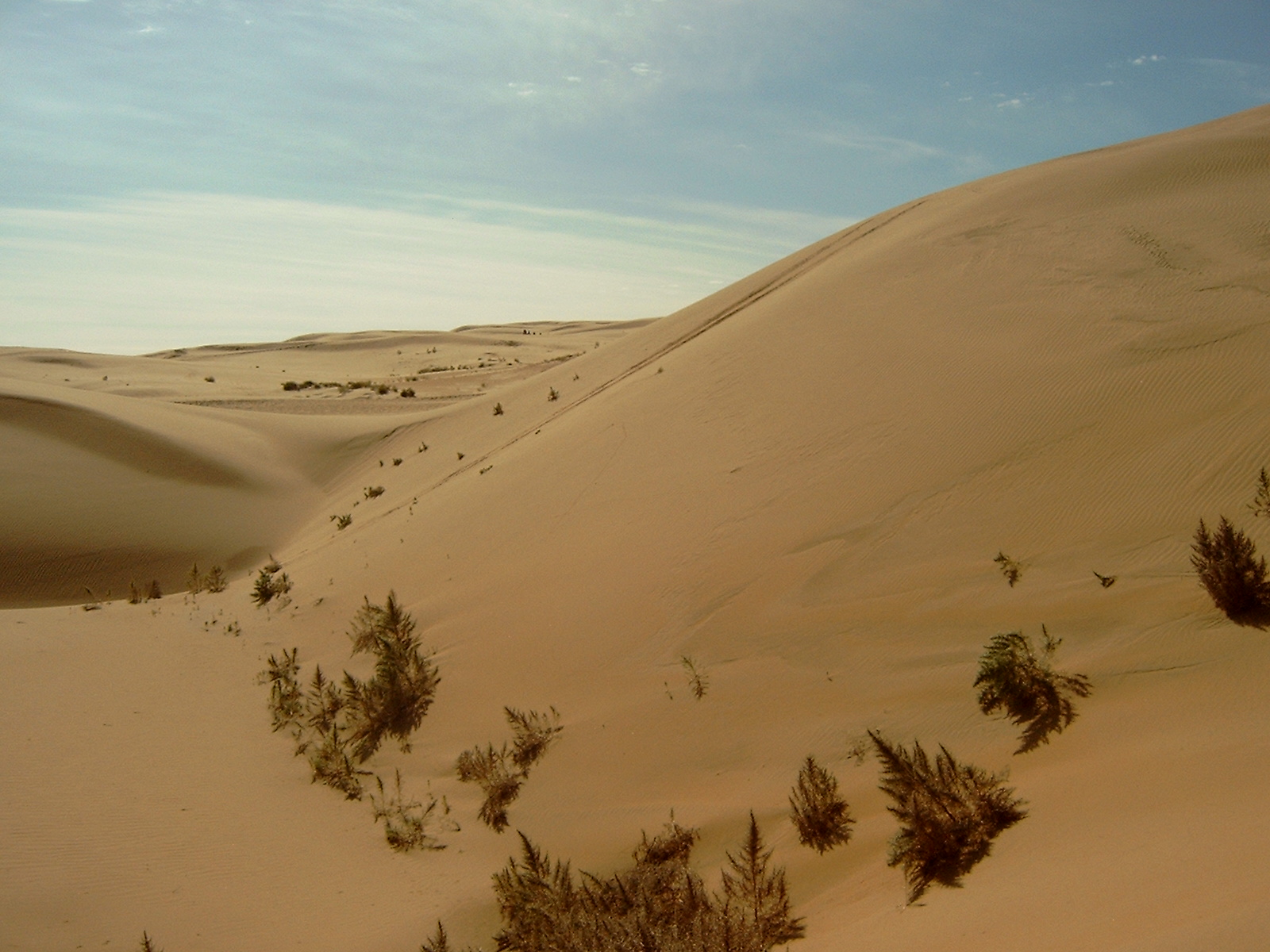
It is not a single sea of sand, but a complex region of rocky plains, gravel fields, and shifting dunes.
Over the centuries, human activity and climate changes have gradually pushed its boundaries outward.
In some areas, the desert’s advance has been slow but relentless.
Historical records suggest that dozens of settlements across northwest China have been abandoned over long periods due to encroaching sands and declining water supplies.
These were not overnight disasters, but gradual declines.
Wells dried up.
Crops failed.
People moved away in search of better conditions.
The pattern repeated itself again and again across centuries.
One of the most closely watched areas lies not far from Beijing, where a smaller desert known as the Tianmo has formed.

Unlike the vast Gobi, Tianmo is a relatively small patch of dunes—just a few kilometers wide—but its location has made it symbolically important.
For years, the dunes at Tianmo grew steadily, pushed southward by strong seasonal winds carrying sand from the Gobi.
During the 1990s, some estimates suggested the dunes advanced by several tens of meters each year.
The image of desert sand creeping toward the capital became a powerful symbol of environmental decline.
In response, the Chinese government launched one of the most ambitious anti-desertification efforts in the world.
The strategy combined tree planting, land restoration, water management, and strict limits on grazing in vulnerable areas.
At the heart of this effort is a mᴀssive reforestation program often referred to as the “Great Green Wall.
” The idea is simple in concept but enormous in scale: plant belts of trees and vegetation across northern China to act as a barrier against the advancing desert.
The project began in the late 1970s and has continued for decades.
Millions of hectares have been planted with trees, shrubs, and grᴀsses designed to stabilize the soil and reduce wind erosion.
In some regions, the results have been dramatic.
Satellite images show areas that were once barren now covered with patches of green.
Sandstorms that once plagued major cities every spring have become less frequent in some areas.
Officials say the rate of desert expansion has slowed compared to earlier decades.
But the problem is far from solved.
According to research from Chinese scientific insтιтutions, desertification still affects hundreds of millions of people across the country.
The economic impact is significant, with losses estimated in the billions of dollars each year.
Crops fail.
Infrastructure is damaged by sandstorms.

Water supplies become harder to maintain.
For many communities, the threat is not abstract—it is part of daily life.
In villages on the edge of desert regions, farmers have learned to adapt.
Some build windbreak fences around their fields.
Others switch to crops that require less water.
Many rely on government-supported planting programs to stabilize the soil around their homes.
Yet the balance remains fragile.
Climate change has added another layer of uncertainty.
Shifting rainfall patterns and rising temperatures can accelerate desertification, especially in already vulnerable regions.
Droughts reduce vegetation cover, leaving soil exposed to the wind.
Once the topsoil is gone, it can take decades to recover.
Scientists say that desertification is rarely caused by a single factor.
Instead, it emerges from a combination of pressures: overgrazing, deforestation, water mismanagement, and climate shifts.
In northern China, all of these factors have played a role at different times.
The government’s “green thinking” approach aims to address those pressures simultaneously.
Large-scale tree planting is only one part of the strategy.
Officials have also introduced policies to limit livestock in certain areas, restore grᴀsslands, and improve irrigation systems.
Education has become another key focus.
Researchers say that many people living in affected regions are not fully aware of the long-term consequences of land degradation.
Unsustainable farming or grazing practices can worsen desertification, even if they provide short-term economic benefits.
“Without public awareness, it’s like trying to mop the floor while the tap is still running,” one environmental expert explained.
That is why some programs now focus on teaching communities how to manage water, protect soil, and maintain vegetation.
The idea is to make desert prevention a shared responsibility, not just a government project.
The question that often captures public attention is whether the Gobi Desert could ever reach Beijing.
Scientists say such scenarios are often exaggerated.
While desertification is a serious concern, the idea of mᴀssive dunes swallowing the capital is not supported by current data.
Urban areas have their own microclimates, infrastructure, and environmental controls that make such dramatic outcomes unlikely.
However, the capital and surrounding regions are not immune to the effects of desertification.
Dust storms originating from northern deserts have historically blanketed the city, reducing visibility and affecting air quality.
In the early 2000s, some of these storms were severe enough to disrupt daily life.
Skies turned yellow.
Buildings disappeared behind curtains of dust.
Residents wore masks long before the term became globally familiar.
Since then, improved land management and reforestation efforts have helped reduce the frequency of such events.
But experts warn that continued vigilance is necessary.
The battle against desertification is not a one-time effort.
It requires constant maintenance, monitoring, and adaptation to changing conditions.
For China, the stakes are high.
Northern regions are home to millions of people, major agricultural zones, and important industrial centers.
If desertification were to accelerate, the economic and social consequences could be enormous.
That is why officials continue to frame the issue as a national priority.
Across the country, new research projects are underway to develop drought-resistant crops, improve soil conservation techniques, and monitor desert expansion using advanced satellite technology.
Some scientists are even experimenting with innovative methods to stabilize sand, such as biodegradable grids that hold dunes in place until vegetation can take root.
Each solution adds another layer to the country’s environmental defense.
For now, the advance of the Gobi has slowed in several key areas, thanks to decades of intervention.
But the desert remains a powerful force, shaped by both natural and human influences.
The outcome will depend on whether current efforts can be sustained—and whether future generations continue the work.
Because in the end, the struggle against desertification is not just about holding back sand.
It is about preserving land, livelihoods, and the fragile balance between human activity and the natural world.


