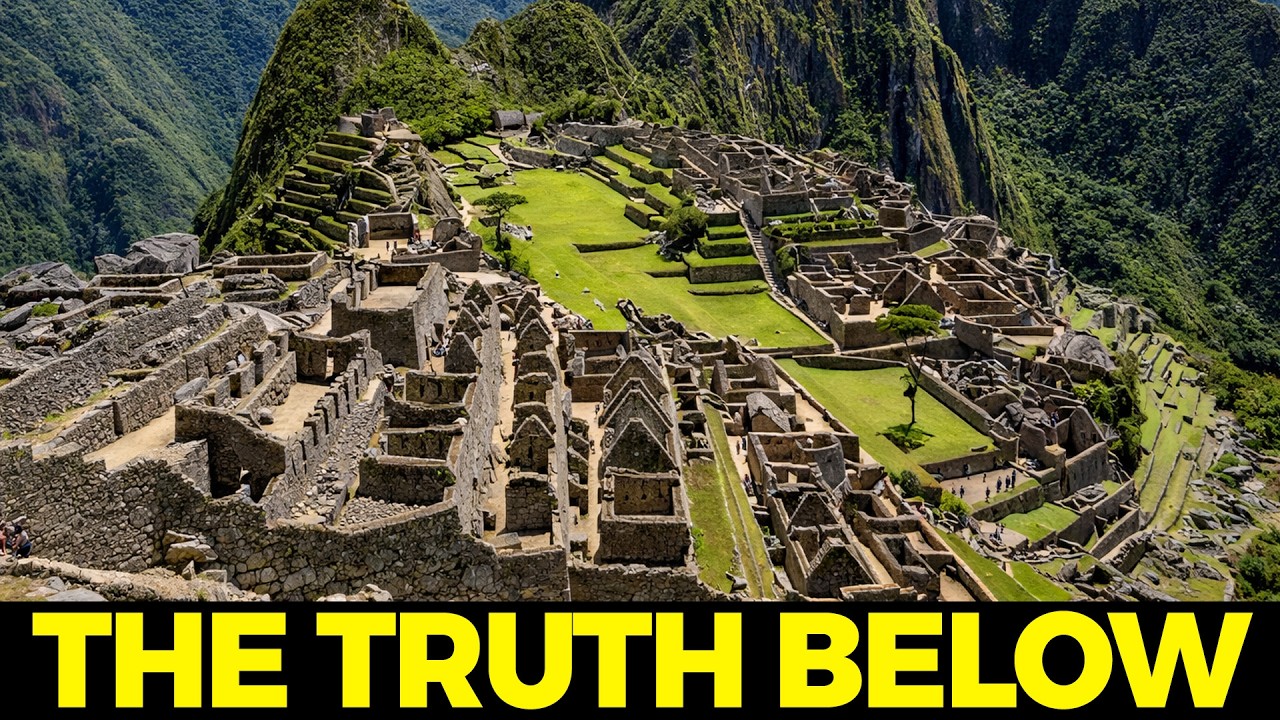
In July 1911, Hiram Bingham stumbled upon a breathtaking sight: Machu Picchu, the lost citadel of the Incas, rising majestically from the misty peaks of the Andes.
This ancient city, shrouded in mystery and history, became a symbol of Peru’s rich cultural heritage and was later recognized as one of the New Seven Wonders of the World.
Yet, for all its splendor, we have only scratched the surface of what Machu Picchu truly represents.
Recent advancements in technology, particularly LiDAR (Light Detection and Ranging) and DNA research, are beginning to unveil secrets hidden beneath the ground of this iconic site.
As we delve deeper into these findings, we must ask ourselves: what else lies buried beneath our feet?
The Power of LiDAR Technology
LiDAR has revolutionized archaeological research by allowing scientists to map landscapes with incredible precision.
This technology uses laser light to measure distances and create detailed three-dimensional maps of the terrain.
In the case of Machu Picchu, LiDAR has revealed previously undetected structures that suggest the existence of a larger urban settlement than previously thought.
These discoveries challenge our understanding of the Inca civilization and its architectural capabilities.
What other secrets could be lurking just beneath the surface, waiting to be uncovered?
DNA Research: Tracing the Footsteps of the Ancients
Alongside LiDAR, DNA research is providing insights into the people who once inhabited Machu Picchu.
By analyzing ancient DNA samples, scientists can trace lineage and understand the genetic makeup of the Inca population.
This research not only sheds light on the demographics of the ancient city but also raises questions about the interactions between different cultures and the movement of people across the region.
What stories do these genetic footprints tell us about the past?

The Impending Airport: A Double-Edged Sword
As we celebrate these groundbreaking discoveries, a significant development looms on the horizon: a $665 million international airport is being fast-tracked just thirty kilometers away from Machu Picchu.
While this project promises to boost tourism and economic growth in the region, it also poses a threat to the delicate ecosystem and the archaeological sites surrounding the ancient citadel.
What will we lose in our pursuit of progress?
The timing of this airport’s construction raises urgent questions about the balance between development and preservation.
Will we prioritize the allure of modernity over the invaluable lessons of history?

The Impact of Tourism on Cultural Heritage
Machu Picchu attracts millions of visitors each year, each eager to experience the wonder of this ancient site.
However, the influx of tourists has led to concerns about the preservation of the site.
With increased foot traffic, the risk of damage to the structures and the surrounding environment rises significantly.
How can we ensure that future generations can appreciate Machu Picchu without compromising its integrity?

A Call for Responsible Stewardship
As we uncover the hidden layers of Machu Picchu, it is imperative that we approach these discoveries with a sense of responsibility.
The knowledge gained from LiDAR and DNA research should guide our actions and inform our decisions regarding the future of the site.
We must engage in thoughtful discussions about how to balance tourism, development, and preservation.
What steps can we take to protect this cultural treasure while still allowing people to connect with its rich history?
Conclusion: The Journey Ahead
The secrets of Machu Picchu are beginning to unfold, revealing a more complex narrative than previously imagined.
As we stand on the brink of new discoveries, we must remain vigilant in our efforts to protect this historical gem.
The choices we make today will shape the legacy of Machu Picchu for generations to come.
Let us embrace the opportunity to learn from the past while ensuring that the future of this remarkable site is secure.
In doing so, we honor not only the Incas who built this extraordinary city but also the countless individuals who seek to understand and appreciate its significance.
What lies beneath Machu Picchu may surprise us, but it is our responsibility to safeguard its story.


