New Mexico’s attorney general has ordered the reopening of the state’s criminal investigation into alleged crimes connected to Jeffrey Epstein’s Zorro Ranch, a sprawling property long ᴀssociated with secrecy and speculation. The decision follows the recent public release of millions of pages of Justice Department documents that shed new light on Epstein’s activities in the state over nearly three decades.
The renewed scrutiny centers on disturbing allegations contained within redacted communications included in the federal file release. Among them is a 2019 email referencing claims that two foreign girls were allegedly buried somewhere in the hills surrounding Zorro Ranch. According to the documents, the message suggested the girls had died by strangulation during what was described as “rough and fetish” Sєxual activity and were buried at Epstein’s direction.

The New Mexico Department of Justice confirmed it has requested an unredacted copy of the 2019 email from the U.S. Department of Justice in order to ᴀssess the credibility and origin of the allegation. State officials have not confirmed the validity of the claims but emphasized that the seriousness of the information warrants further examination.
The redacted email was reportedly sent months after Epstein’s 2019 death to Eddie Aragon, a New Mexico radio host who had publicly discussed Zorro Ranch. According to the released documents, Aragon claimed to have once worked at the ranch and allegedly requested one Bitcoin in exchange for videos he said were taken from Epstein’s residence. The email referenced seven videos purportedly showing Sєxual abuse and claimed to contain information about the burial location of the two girls.
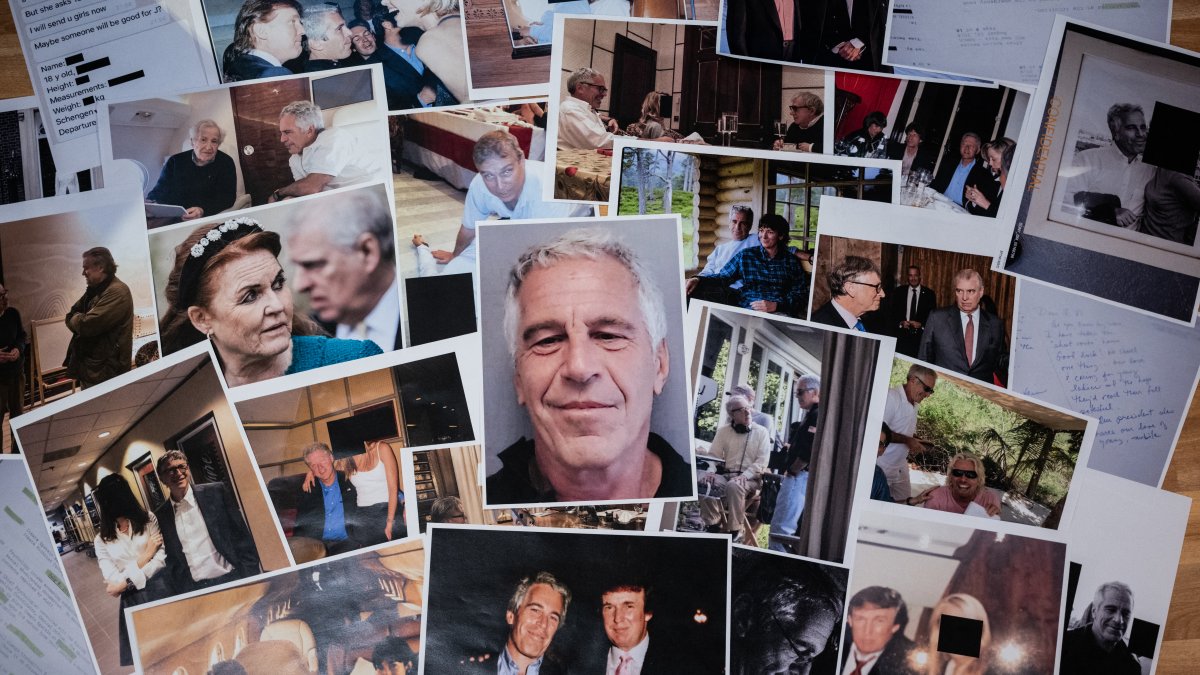
An FBI document dated 2021, also included in the recent release, states that Aragon visited an FBI office to report the email and its contents. Federal authorities have not publicly confirmed whether any physical evidence supports the burial claim, nor whether excavation efforts have been conducted at the ranch in connection with the allegation.
Zorro Ranch, located in rural New Mexico, has long been one of Epstein’s most mysterious properties. In 1993, Epstein leased approximately 1,243 acres of surrounding state land. In September 2019, shortly after his arrest and subsequent death, New Mexico State Land Commissioner Stephanie Garcia Richard canceled the leases. Her office concluded that the land was not being used for ranching or agricultural purposes as required, but instead functioned as a privacy buffer.
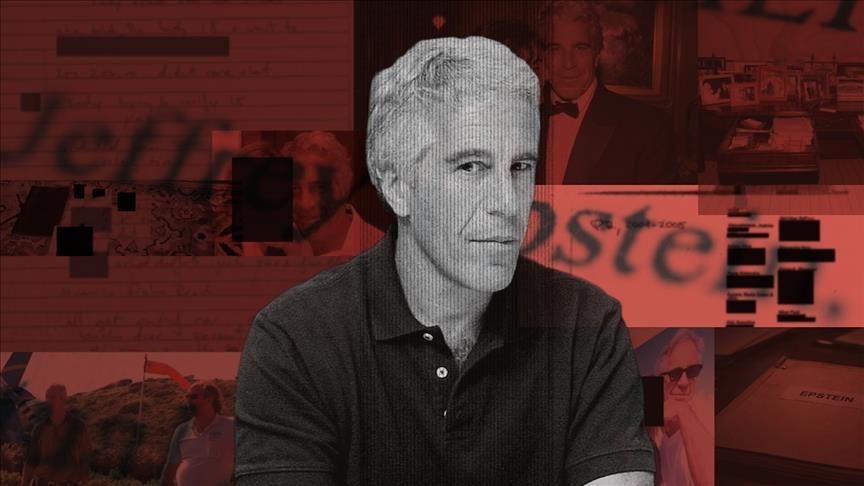
The latest file release also revives attention on Epstein’s broader operations, particularly his alleged practice of flying young women to exclusive gatherings described in emails as “girls weekends.” According to Justice Department documents, Epstein allegedly coordinated travel arrangements and social events through a network of affluent acquaintances in locations such as the Hamptons and New York City.
One FBI report from 2020 cites a tipster who alleged that Epstein maintained close ties with individuals who helped procure underage girls. Among the names referenced in the documents is a nightclub owner mentioned multiple times in correspondence. A 2010 email introducing the individual to Epstein reportedly suggested organizing weekly parties featuring “beautiful Russian girls,” though the documents do not confirm the ages of those referenced.

Another message from May 2016 included a pH๏τograph of young women in Montauk wearing pink T-shirts reading “Girls Weekend” and thanking Epstein for “our happiest times.” While such images alone do not establish criminal conduct, investigators have previously argued that social gatherings and luxury events were central to building trust and facilitating exploitation.
The newly released documents also revisit deposition excerpts from civil litigation involving Epstein. In one exchange, Epstein repeatedly invoked his Fifth Amendment rights when asked direct questions about Sєxual attraction to minors and the underlying facts of his prior guilty plea. He acknowledged pleading guilty to solicitation of prosтιтution in Florida in 2008 but declined to elaborate on the specifics of the conduct.
When pressed on whether minors were involved in the incidents underlying his conviction, Epstein maintained that he had pleaded guilty to prosтιтution charges, not “underage prosтιтution,” and stated he could not provide additional details. Attorneys representing accusers characterized his responses as evasive, while Epstein’s legal team objected to several lines of questioning as argumentative or harᴀssing.
Epstein’s 2008 plea agreement in Florida has long been criticized as unusually lenient. He served 13 months in jail under a work-release arrangement that allowed him significant freedom. That agreement shielded potential co-conspirators from federal prosecution at the time, a provision later ruled to have violated victims’ rights.
The reopening of New Mexico’s investigation signals that state authorities are not prepared to let unanswered questions remain dormant. While Epstein himself is deceased, officials may pursue evidence related to potential accomplices, facilitators, or additional crimes committed within state jurisdiction.
Legal experts caution that allegations contained in unverified emails require careful corroboration. The existence of a claim in a document does not automatically substantiate its truth. Investigators will likely examine digital metadata, interview witnesses, and evaluate whether any forensic searches were previously conducted at Zorro Ranch.
For residents of New Mexico, the renewed probe reopens a chapter many hoped was closed. The ranch, once marketed as a secluded retreat, has become synonymous with unresolved suspicions. The vastness of the property and its surrounding hills only intensify public curiosity about what may—or may not—have occurred there.
Nationally and internationally, the case continues to fuel debate about accountability, transparency, and the extent of Epstein’s network. The Justice Department’s decision to release additional files has provided new fragments of information, but many details remain heavily redacted, leaving observers with partial narratives rather than definitive conclusions.
Advocates for survivors argue that full transparency is essential to restoring public trust. They contend that only a comprehensive accounting of Epstein’s activities and ᴀssociations can provide meaningful closure. Meanwhile, critics warn against drawing premature conclusions from unverified allegations circulating in digital correspondence.
As New Mexico authorities seek further clarification from federal counterparts, the investigation enters a new phase defined by unanswered questions. Were the burial claims credible? If not, how did they originate? If so, what evidence remains? And perhaps most importantly, were there others involved who have yet to face scrutiny?
For now, Zorro Ranch stands quiet beneath the desert sky, its gates closed but its past once again under examination. The reopening of the investigation does not guarantee explosive discoveries, but it underscores a determination to confront lingering doubts rather than ignore them.
The Epstein saga has repeatedly demonstrated that even years after his death, revelations can still emerge from sealed files and overlooked records. Whether this latest development leads to concrete findings or further ambiguity, one reality is clear: the shadow cast by Jeffrey Epstein over New Mexico—and far beyond—has not yet fully lifted.


