“Indonesia Shaken to the Core: 6. 4 Magnitude Earthquake Rocks Pacitan, Buildings Damaged”
Panic swept through southern Java as a powerful earthquake measuring 6. 4 on the Richter scale struck near Pacitan, Indonesia, sending violent tremors across the region and leaving residents scrambling for safety.
The quake hit without warning, jolting people awake, shaking buildings to their foundations, and triggering scenes of fear and confusion in coastal and inland communities alike.
Witnesses described the ground moving in waves, walls cracking, ceilings collapsing, and household items crashing to the floor within seconds.
In Pacitan and surrounding districts, residents fled their homes barefoot, clutching children and loved ones as the earth continued to rumble beneath them.
Electricity flickered, mobile networks became unstable, and emergency sirens pierced the night air as authorities rushed to ᴀssess the damage.

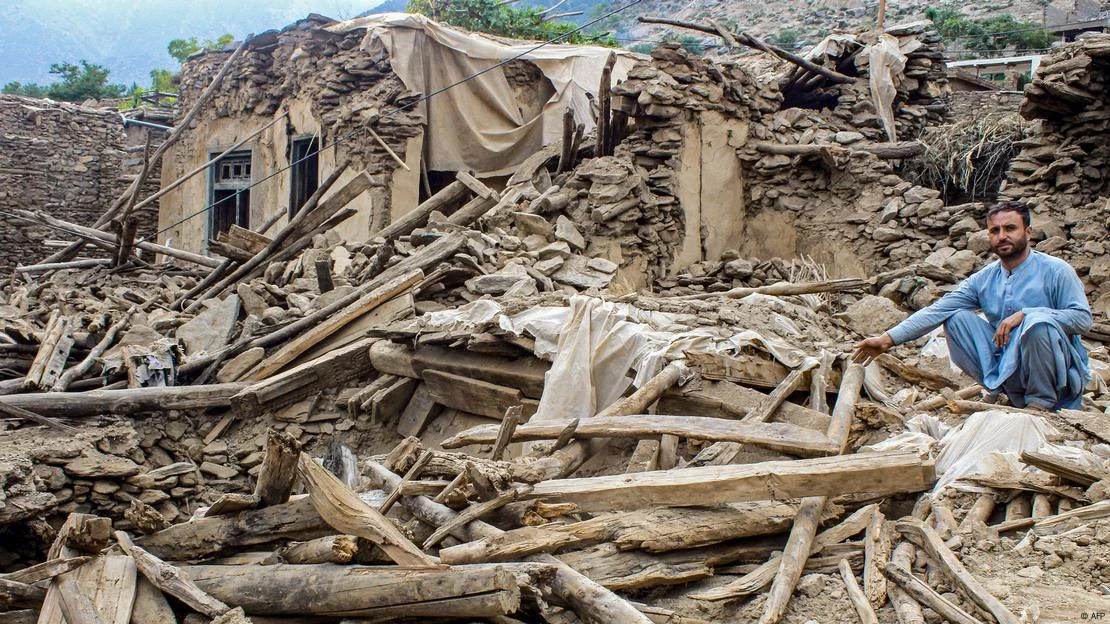
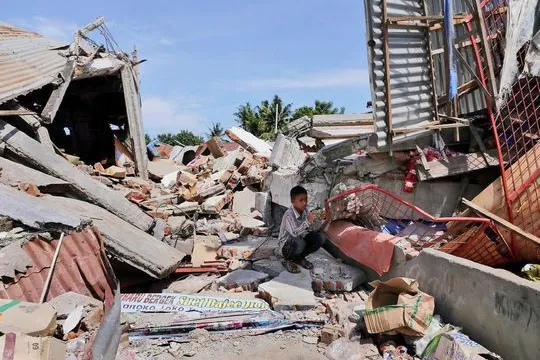
Initial reports indicate that multiple buildings have been damaged, including homes, small businesses, schools, and places of worship.
In several neighborhoods, cracks split walls from floor to ceiling, while older structures suffered partial collapses.
Dust clouds rose into the air as debris fell, and terrified residents gathered in open spaces, afraid to return indoors.
The quake was felt far beyond Pacitan.
Strong shaking was reported across East Java and parts of Central Java, with residents in cities dozens of kilometers away describing swaying lamps, rattling windows, and the unmistakable sensation of the ground rolling beneath their feet.
Social media quickly filled with videos showing trembling rooms, collapsing shelves, and people shouting in fear as the tremor struck.
Indonesia’s disaster mitigation agency moved swiftly to issue alerts and deploy rapid response teams.
Emergency services began conducting damage ᴀssessments while urging the public to remain vigilant for aftershocks.
Seismologists warned that additional tremors could follow, increasing the risk of further structural damage, especially to buildings already weakened by the initial quake.
Hospitals in the region were placed on high alert as reports of minor injuries began to emerge.
While no official casualty figures have yet been confirmed, authorities emphasized that the situation remains fluid.
Medical teams are standing by, and evacuation centers are being prepared in case residents cannot safely return to their homes.
The earthquake struck in one of the most seismically active regions on the planet.
Indonesia sits atop the Pacific Ring of Fire, where several major tectonic plates collide, making powerful earthquakes a constant threat.
Experts explained that the sudden release of energy along an underground fault line likely caused the violent shaking experienced in Pacitan and surrounding areas.
Coastal residents reported moments of terror as fears of a possible tsunami spread rapidly following the quake.
Although no tsunami warning was ultimately issued, the panic underscored the region’s painful memories of past disasters.
Many families near the shoreline evacuated to higher ground as a precaution, unwilling to take any chances.
Local authorities worked through the night to inspect bridges, roads, and critical infrastructure.
Early ᴀssessments suggest that some roads suffered surface cracks, complicating access for emergency vehicles in certain areas.
Power outages were reported in multiple districts, leaving neighborhoods in darkness and adding to the sense of chaos.
For many residents, the emotional toll was immediate and overwhelming.
Survivors spoke of the fear of losing everything in seconds, of children crying uncontrollably, and of elderly residents struggling to flee unstable buildings.
Community members came together in open fields and parking lots, sharing food, water, and information as they waited for official guidance.
Government officials urged calm but acknowledged the seriousness of the situation.
They stressed that Indonesia’s early warning systems and disaster preparedness protocols were activated promptly, yet emphasized that earthquakes of this magnitude can cause unpredictable damage even with modern safeguards in place.
As daylight approaches, a clearer picture of the destruction is expected to emerge.
Engineers will ᴀssess whether damaged buildings are safe to reenter, while humanitarian teams prepare to provide shelter, food, and medical ᴀssistance if needed.
Authorities have warned residents not to return to cracked or unstable structures until inspections are complete.
The Pacitan earthquake is a stark reminder of Indonesia’s ongoing vulnerability to natural disasters.
Each major quake tests not only infrastructure but also the resilience of communities living atop restless geological forces.
For those who endured the terrifying moments of shaking, the fear lingers long after the ground has stopped moving.
As aftershocks remain possible and damage ᴀssessments continue, one thing is certain: for the people of Pacitan and surrounding regions, this was not just another tremor—it was a violent awakening to the raw power beneath their feet.


