When Applause Mistook a Breakdown for Brilliance
For decades, audiences believed they were witnessing one of the most extraordinary performances ever captured on film. Critics hailed its emotional ferocity. Scholars analyzed its psychological depth. Standing ovations followed. But what unfolded in that now-legendary scene from A Streetcar Named Desire was not simply acting. It was something far more fragile — and far more troubling.
By the time Vivien Leigh stepped onto the set of Elia Kazan’s 1951 adaptation of Tennessee Williams’ play, she was already standing on the edge of emotional collapse. To the public, she remained luminous: poised, elegant, controlled. To those closest to her, however, the cracks had long been visible.
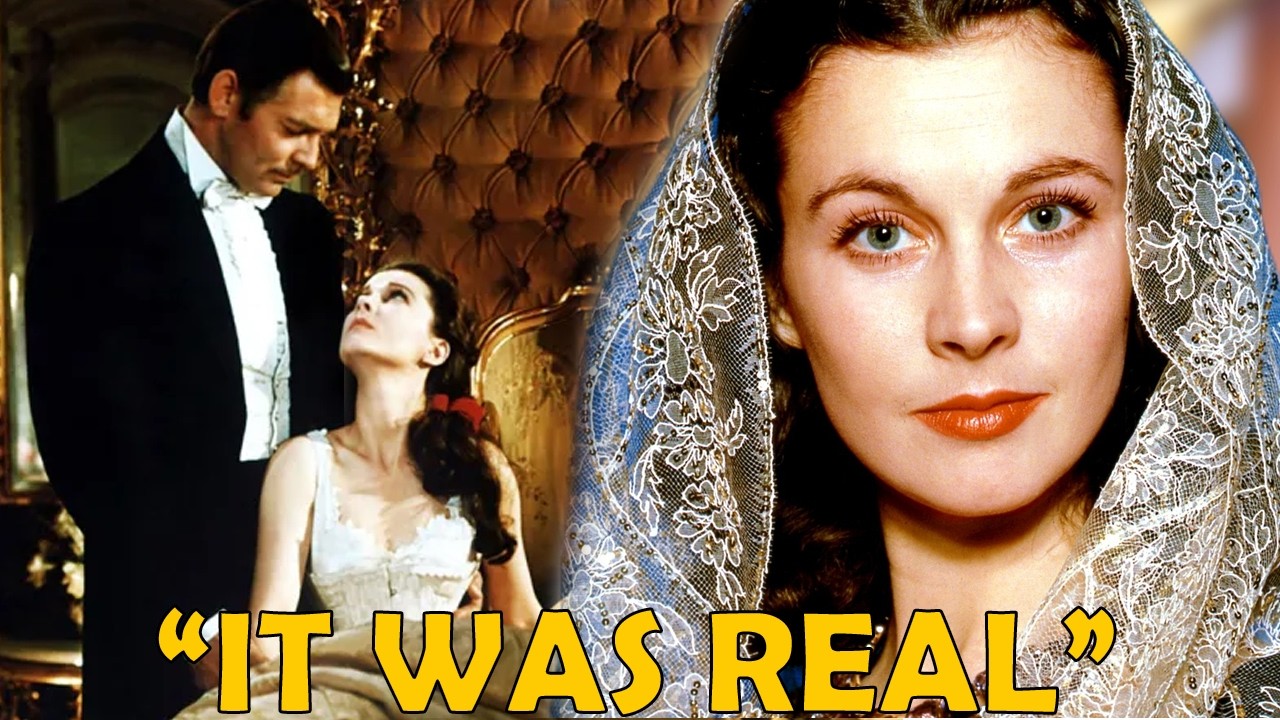
Leigh had spent years battling what we now recognize as bipolar disorder, though at the time it was poorly understood and rarely treated with compᴀssion. Her life was marked by violent emotional swings — periods of boundless energy and sleepless productivity followed by devastating depressions that left her paralyzed by despair. Added to this were physical illness, including recurring tuberculosis, and the emotional strain of a deteriorating marriage to Laurence Olivier.
When production began on A Streetcar Named Desire, Leigh was not merely preparing for a demanding role. She was carrying the weight of untreated mental illness, professional pressure, and personal heartbreak. Blanche DuBois — fragile, delusional, clinging to illusions as reality closes in — was not a distant character study. She was dangerously close to home.

On paper, the breakdown scenes were simply scripted moments of psychological unraveling. Director Elia Kazan sought rawness from his actors. He believed emotional discomfort translated into authenticity on screen. With Leigh, he did not need to push far. She arrived already exposed.
Crew members later recalled troubling signs. Between takes, Leigh sometimes appeared disoriented. She forgot lines she knew by heart. She seemed unable to separate herself from Blanche’s despair. But in 1950s Hollywood, suffering was often mistaken for dedication. Intensity was praised. Vulnerability was romanticized. The more shattered she appeared, the more brilliant the performance was deemed.
No one stopped to ask whether she was safe.
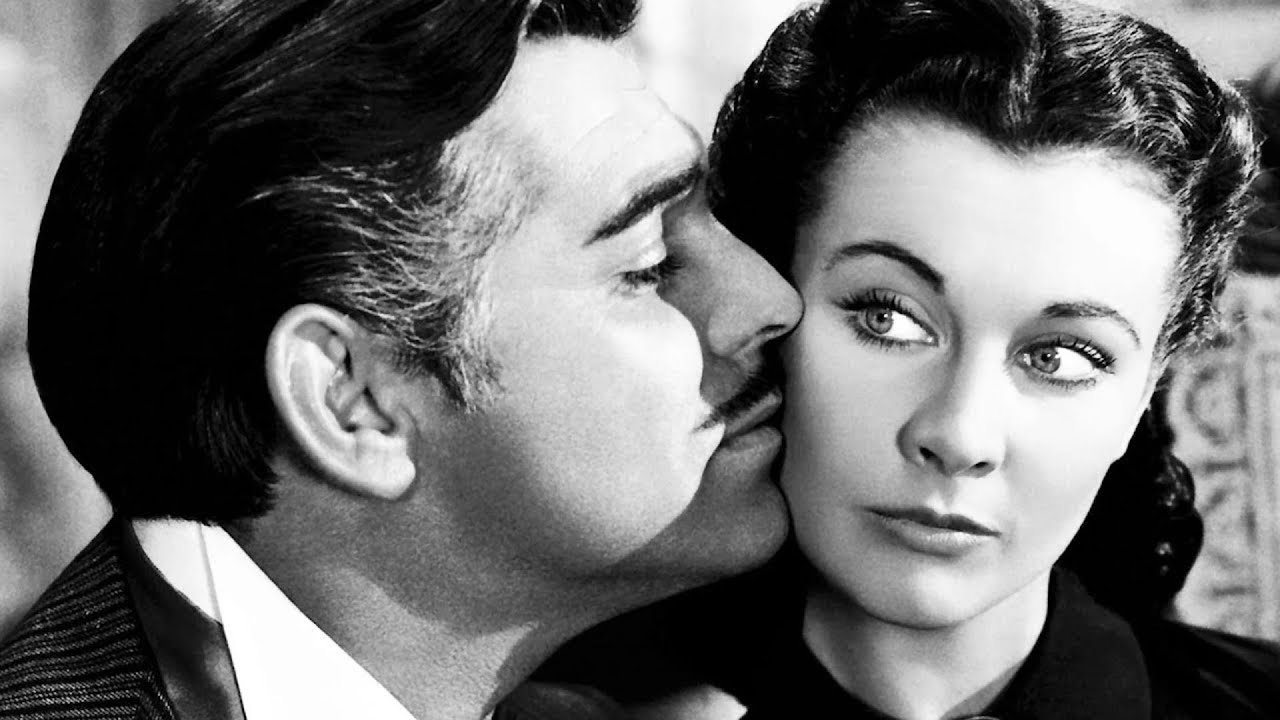
Leigh herself later admitted that playing Blanche did not feel like acting — it felt like living without protection. When the camera rolled, the line between character and actress blurred. And when the director called “cut,” the emotions did not simply switch off. They followed her into her dressing room, into sleepless nights, into the quiet hours when there was no applause to drown them out.
One incident during filming revealed how fragile her state had become. Leigh was deeply supersтιтious and believed that breaking mirrors invited catastrophe.
The script required Blanche to shatter one during an emotional breakdown. Leigh refused — not as a diva resisting direction, but as a woman genuinely terrified.

Eventually, a stuntman handled the physical act while she performed the aftermath. Even watching from a distance, she grew visibly anxious as each mirror shattered. For the audience, it became a symbol of Blanche’s collapse. For Leigh, it felt like something far more personal fracturing.
When the film was released, critics declared it fearless. Audiences were stunned by its raw honesty. Leigh won her second Academy Award. The industry framed it as a triumphant confirmation of her genius.
But the award did not stabilize her life. It intensified the expectations.

Now she was expected to deliver that same emotional devastation again and again, as though suffering were a renewable resource. Behind the scenes, her condition worsened. She experienced confusion, paranoia, and memory lapses. On stage, she sometimes froze mid-performance, unable to remember her lines. Each incident filled her with humiliation and fear.
Doctors turned to electroconvulsive therapy — considered advanced at the time, but harsh and disorienting. Leigh endured repeated treatments.
They left her physically weakened and emotionally shaken. Sometimes she lost entire stretches of memory. Yet as soon as she appeared “well enough,” she returned to work. The industry welcomed her back without hesitation. If she could perform, she must be fine.
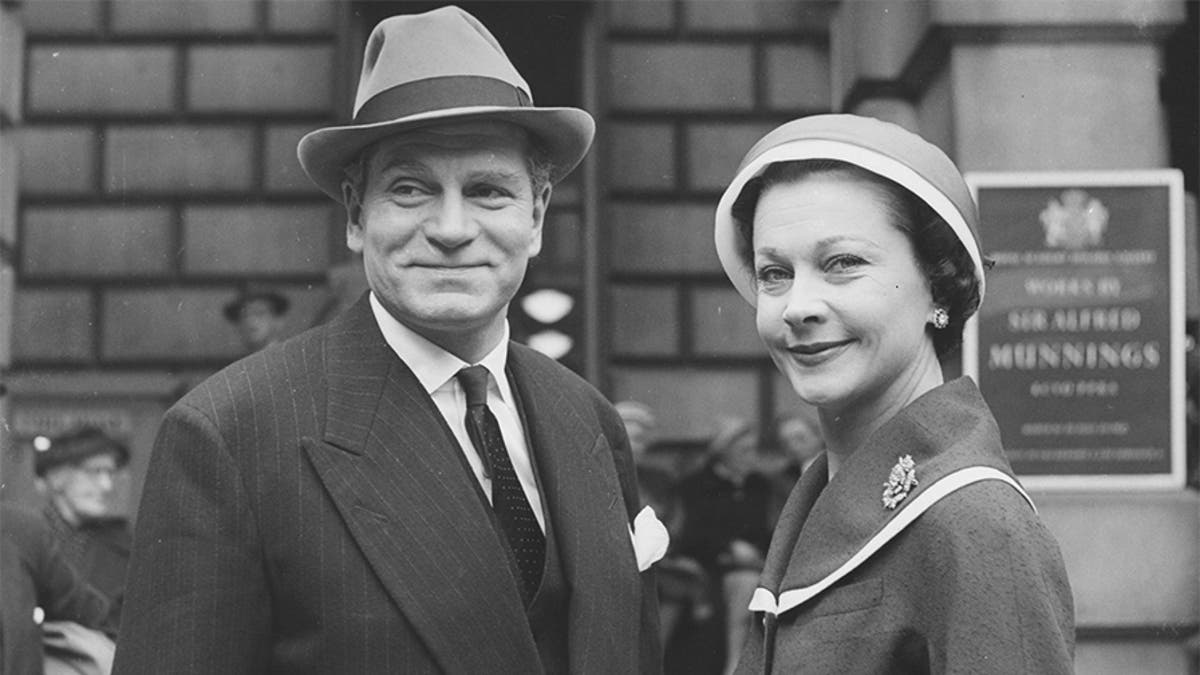
Her marriage to Olivier, strained by years of illness and emotional volatility, eventually collapsed.

He later admitted that loving her meant living in constant anticipation of the next breakdown. When their relationship ended, Leigh lost not only her partner but one of the few witnesses to the full scope of her suffering.
Still, she continued acting. It was both refuge and trap. Performing gave her structure, purpose, a temporary escape from the chaos inside her mind. But each role demanded emotional excavation. Each ovation reinforced the illusion that what audiences saw was controlled craft rather than a woman fighting to stay intact.

Her final film, Ship of Fools (1965), carried eerie echoes of her own life. She portrayed a woman confronting aging and fading idenтιтy — themes that mirrored her private fears. Colleagues noticed her fragility and treated her gently, yet she pushed through exhaustion and illness to complete the work. Once again, critics praised the performance’s honesty.
In her final years, tuberculosis returned, weakening her body. She continued to speak of future stage roles, scripts waiting by her bedside. Work, she believed, might steady her. But her body could no longer keep pace with her determination.
In 1967, at just 53 years old, Vivien Leigh died after her lungs filled with fluid. There was no dramatic farewell. No final monologue. Just a quiet end to a life lived in emotional extremes.
Theaters dimmed their lights in tribute. Newspapers celebrated her beauty, her brilliance, her unforgettable realism. Yet even in remembrance, the full truth remained uncomfortable: many of the moments audiences praised as extraordinary acting were moments when Leigh herself was unraveling.
She was not choosing pain for her art. She was enduring pain, and the world mistook it for genius.
Vivien Leigh’s legacy remains powerful — not only as a masterful actress, but as a reminder of how easily suffering can be romanticized. Her story forces us to ask difficult questions about art, exploitation, and the cost of brilliance.
When we revisit those iconic scenes today, are we witnessing great acting — or glimpsing a woman silently asking for help?


