The Price of a Crown: Diana Ross at 81
At the height of her fame, Diana Ross seemed untouchable. She was the shimmering face of Motown, the voice behind timeless hits, and the embodiment of glamour for a generation. Yet beneath the sequins and standing ovations lay a life marked by ambition, rivalry, heartbreak, and personal struggle—chapters that shaped how the icon lives today.
Born on March 26, 1944, in Detroit, Michigan, Ross entered the world under unusual circumstances. Her parents intended to name her Diane Ernestine Earle Ross, but a clerical error on her birth certificate changed “Diane” to “Diana.” She kept the name, later joking that fate had intervened. That accidental alteration would eventually appear on more than 100 million records worldwide.

Growing up in Detroit’s North End, Ross was surrounded by music and hardship. She lived near Smokey Robinson, forging a childhood friendship that would later intertwine with her professional life. But her early years were not easy. At age seven, her mother fell gravely ill with tuberculosis, forcing Diana and her siblings to live with relatives in Alabama for a time. The separation left a deep emotional imprint, instilling both resilience and an early understanding of instability.
By her teens, Ross was determined to rise above her circumstances. In 1959, she joined Mary Wilson, Florence Ballard, and Betty McGlown to form the Primettes. The group relentlessly pursued Motown founder Berry Gordy, eventually securing a contract in 1961 and a new name: The Supremes. Success, however, did not come overnight.

After a string of early failures, the group finally broke through in 1964 with “Where Did Our Love Go,” launching an extraordinary run of number-one hits.
Between 1964 and 1969, The Supremes became the most successful American girl group in history. But as their fame soared, tensions simmered. Gordy increasingly positioned Ross as the focal point, culminating in the 1967 rebranding to “Diana Ross and the Supremes.” The decision fractured the group’s internal unity. Florence Ballard, battling personal struggles, was replaced that same year. She later died in 1976 at just 32 years old, a tragedy that cast a long shadow over the group’s legacy.

Ross’s own relationship with Gordy—widely reported as both professional and romantic—further complicated dynamics within Motown. In 1970, she officially launched her solo career. Her debut single, “Ain’t No Mountain High Enough,” topped the charts, proving she could stand alone.
Hollywood soon beckoned. In 1972, Ross stunned critics with her portrayal of Billie Holiday in Lady Sings the Blues, earning an Academy Award nomination for Best Actress. For a moment, it seemed she might conquer film as she had music. But subsequent projects, including Mahogany and The Wiz, failed to meet expectations, and her cinematic momentum faded.
Behind the scenes, Ross’s personal life grew increasingly complex.
She married music executive Robert Ellis Silberstein in 1971, raising five children in total, including Rhonda—whose biological father was later revealed to be Berry Gordy. Though Silberstein remained devoted, the marriage eventually ended.

In 1986, Ross married Norwegian shipping magnate Arne Næss Jr. in a lavish ceremony. She later described him as the love of her life. But in 1999, their separation became public in a way that reportedly blindsided her. The divorce was finalized soon after, marking another painful turning point.
The early 2000s proved particularly turbulent. In 2002, Ross entered rehab amid struggles with alcohol. That same year, she was arrested for driving under the influence in Arizona, an incident that starkly contrasted with her carefully curated image. The footage circulated widely, exposing her vulnerability in a way few had witnessed before.

Personal tragedy compounded her challenges. In 1996, her brother Arthur “T-Boy” Ross and his wife were found murdered in Detroit. Ross, touring abroad at the time, was unable to attend the funeral—a loss that reportedly haunted her. In 2004, Arne Næss Jr. died in a mountaineering accident, devastating their two sons and reopening emotional wounds for Ross.
Even moments of cultural celebration carried complexity. After Michael Jackson’s death in 2009, Ross was named as a backup guardian for his children but ultimately declined, believing family members should take precedence. The decision reflected a woman whose priorities had shifted from career dominance to personal boundaries.
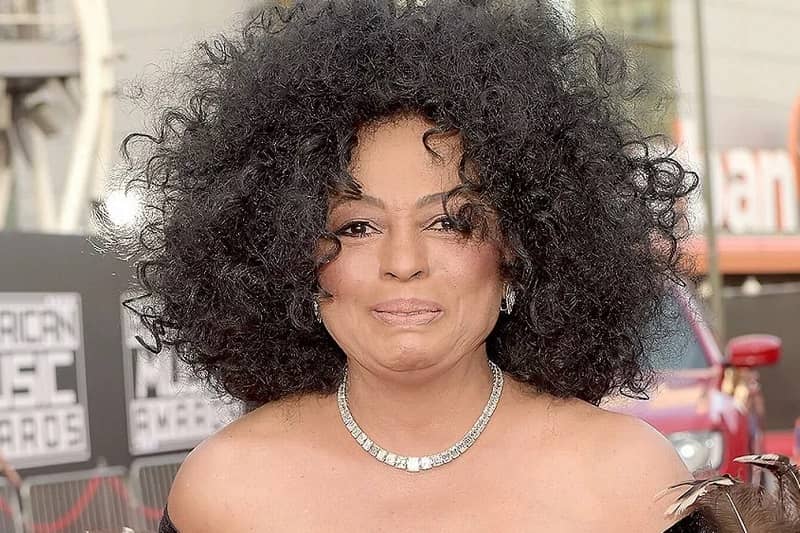
Now 81, Diana Ross lives far from the relentless pace that once defined her.
She still performs selectively, her voice a living bridge to another era. Public appearances reveal flashes of the same elegance that made her a global symbol.
Yet those close to her describe a woman shaped by cumulative grief—losses of friends, former bandmates, marriages, and illusions.
Her legacy remains monumental: a pioneer who broke racial barriers, redefined female stardom, and influenced generations of artists.

But her story also underscores a sobering truth.
Fame magnifies triumph, yet it does nothing to shield the heart.
Diana Ross once stood at the very center of the world’s stage. Today, her life reflects the cost of standing there for so long.
The applause may fade, but the echoes—both joyful and painful—linger on.


