Beyond the Meme: The Life and Loss of James Van Der Beek
In recent days, emotional posts and viral tributes have circulated online claiming that actor James Van Der Beek died at age 48 on a Texas ranch beside a creek. The story spread quickly—complete with heartfelt family quotes, medical struggles, and poetic symbolism tied to his last name.
There is only one problem.
James Van Der Beek is alive.

As of the most recent verified public records and statements from his representatives, there has been no credible confirmation of his death. No statement from his family. No reporting from reputable news organizations. No obituary. No funeral notice. The narrative that has moved across social media appears to be a fabricated or fictionalized account—one that blends real biographical details with invented tragedy.
And that fact matters.
Part of what made the circulating story so powerful is that it was grounded in truth.

James Van Der Beek was born on March 8, 1977, in Cheshire, Connecticut. He rose to fame in 1998 as Dawson Leery on Dawson’s Creek, a role that helped define a generation of teen television and launched the WB network into mainstream success. He became a household name at just 20 years old.
The show ran for six seasons and 128 episodes. It reshaped youth drama storytelling and influenced series that followed for decades. Van Der Beek later appeared in Varsity Blues, The Rules of Attraction, Don’t Trust the B—- in Apartment 23, and numerous television guest roles. He often leaned into self-parody, demonstrating a willingness to laugh at his own fame.
One unscripted crying scene from Dawson’s Creek became one of the most widely shared reaction memes in internet history. For years, the image circulated detached from context—three seconds of visible heartbreak reused for everyday frustrations.
That cultural shorthand made him both immortal online and oddly flattened. A complex human life reduced to a looping GIF.
The viral death narrative exploited that contrast—painting a portrait of a thoughtful father of six, a husband, a man who faced loss, faith, and illness with grace. Some elements referenced real hardships he and his wife have publicly discussed, including pregnancy losses. But the central claim of his death in February 2026 is not supported by any verified source.

Celebrity death hoaxes are not new. Social media accelerates them.
They often follow a predictable pattern:
-
A detailed, emotionally written narrative
-
Specific dates and times to create authenticity
-
References to real family members
-
A blend of accurate biography and invented tragedy
-
Poetic symbolism that feels “too perfect” to question
The emotional tone encourages sharing before verification. People respond to grief instinctively. By the time fact-checking catches up, millions may have already engaged.

In this case, the story tapped into deeper cultural themes—how we reduce public figures to memes, how fame distorts idenтιтy, how illness changes perspective. It felt meaningful. And because it felt meaningful, many ᴀssumed it was true.
Even without a fabricated tragedy, James Van Der Beek’s real journey remains compelling.
He has spoken openly about the pressures of early fame. He has navigated career reinvention in an industry that often typecasts young actors. He has discussed personal losses with candor and vulnerability. He has used humor to reframe how the public perceives him.
Most importantly, he has continued building a life outside of Hollywood’s narrow spotlight—prioritizing family, spirituality, and creative autonomy.
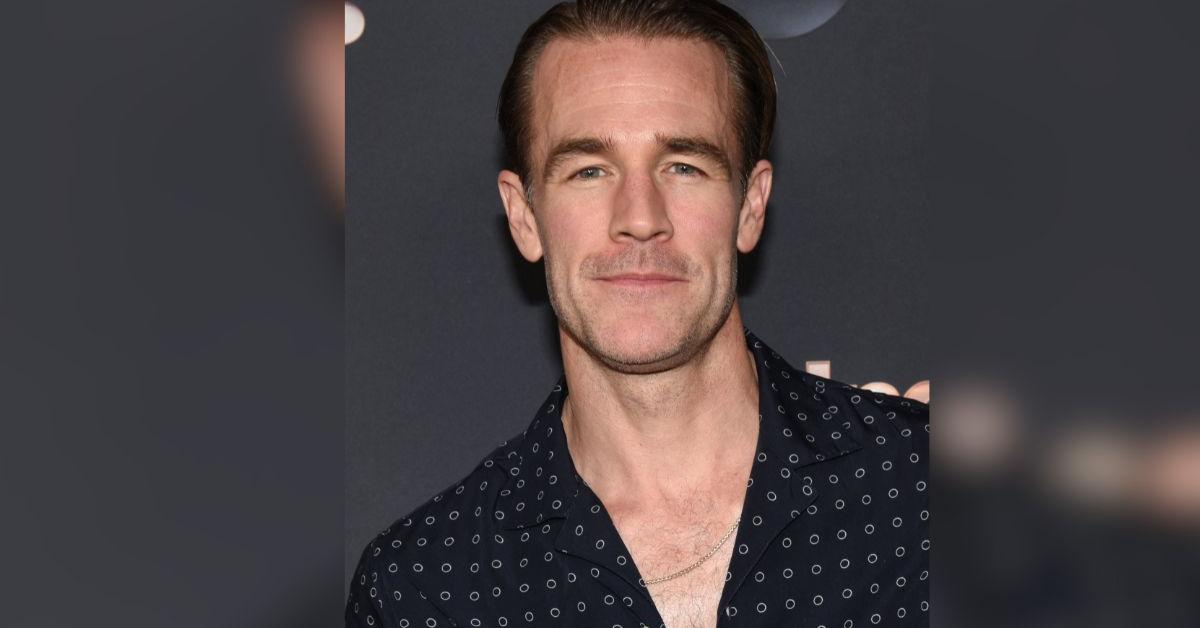
That story does not need a fictional death to be powerful.
There is something revealing about how quickly audiences embrace a dramatic ending. We are conditioned to look for narrative closure—the hero’s final lesson, the poetic symmetry, the legacy wrapped in meaning.
But real life rarely follows screenplay structure.
When we share unverified reports—especially about death—we risk causing genuine harm. Family members can be forced to respond to false condolences. Children can encounter fabricated obituaries of their living parents. The emotional toll is not abstract.

Before reposting a story, especially one involving loss, it is worth pausing:
-
Has it been confirmed by major, reputable news outlets?
-
Has the person’s verified social media or representative issued a statement?
-
Does the timeline make sense?
Grief deserves accuracy.
Perhaps the most uncomfortable part of the viral narrative was not the false death itself, but the reflection it forced: how often we remember people for the smallest fragment of their work.

James Van Der Beek became globally recognizable for one scene.
But he is also a husband, a father, a brother, an artist, and a man who has navigated public life for nearly three decades.
That fuller idenтιтy deserves acknowledgment—without needing a fictional tragedy to remind us.

In an age when attention is currency and virality often overrides verification, discernment becomes an act of respect.
James Van Der Beek is alive.
And that is something worth getting right.


