18 years of absolute silence.
From the age of 12 to 30, the most influential figure in human history simply disappears from the biblical record.
No stories, no teachings, no miracles, just silence.
Have you ever wondered why?
The gospels tell us about his miraculous birth.

They describe a 12-year-old Jesus debating scholars in the temple, astonishing everyone with his wisdom.
Then nothing.
The narrative jumps directly to his baptism at age 30, when his public ministry begins.
But what happened during those 18 missing years? Where was he? What was he doing? What was he learning? And perhaps most intriguingly, why did the gospel writers choose to remain silent about this entire period of his life?
These aren’t conspiracy theories.
These are legitimate historical questions that scholars, theologians, and researchers have been investigating for centuries.
And today, we’re going to explore what those 18 forbidden years might reveal.
Not through fantasy or speculation, but through historical context, archaeological discoveries, ancient traditions, and careful biblical analysis.
The Importance of the Missing Years
Think about it for a moment.
18 years is more than half of Jesus’s life before his ministry began.
That’s a significant portion of anyone’s existence.
During those years, he would have transformed from a boy into a man.
He would have developed his skills, formed his worldview, deepened his understanding of scripture, and prepared somehow for the mission that would change the course of human history.
The silence in the Gospels isn’t accidental.
The writers had their reasons, but that silence has also created space for questions, for investigation, and for a deeper understanding of how this man from Nazareth became ready to deliver some of the most profound teachings the world has ever heard.
Some people find these questions uncomfortable.

They prefer the mystery to remain untouched.
But seeking knowledge isn’t a betrayal of faith.
It’s an expression of it.
Understanding the human journey of Jesus doesn’t diminish his significance.
It deepens our connection to the reality of his experience.
Biblical Silence and Theological Intentions
The silence in the gospels reflects the writer’s priorities, not necessarily the absence of a story worth telling.
The gospel writers were focused on Jesus’s public ministry, death, and resurrection—events they believed demonstrated his divine nature and fulfilled prophecy.
The hidden years from their perspective weren’t relevant to the theological message they needed to convey.
The early Christian communities were facing immediate challenges—persecution, questions about Jesus’s idenтιтy, debates about how to live as followers of this new way.
The Gospels were written to address these urgent concerns, not to satisfy biographical curiosity.
Additionally, ancient biographical writing followed different conventions than modern biography.
Ancient writers regularly compressed or omitted long periods of their subjects’ lives, focusing instead on significant events and moments of revelation.
This wasn’t considered incomplete or dishonest.
It was simply how these documents functioned.
Historical and Cultural Context
To understand the missing years, we need to grasp the context of first-century Jewish life.
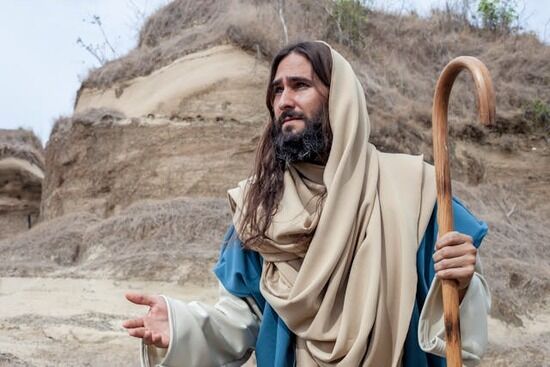
Jesus would have undergone the typical education for a Jewish boy of his time.
From ages 12 to 30, it is highly likely he would have learned the scriptures and Jewish traditions in depth.
He would have worked, likely as a carpenter, following the path of his earthly father, Joseph.
In those years, Jesus would have also been immersed in the cultural context of Roman-occupied Judea, witnessing firsthand the struggles, oppression, and spiritual yearning of his people.
It is within this environment that his message of love, justice, and salvation began to take shape.
Uncovering the Mystery: Early Christian Writings
Early Christian writings outside the biblical canon, such as the Infancy Gospel of Thomas, attempt to fill in the gaps of Jesus’s youth.
These writings include stories about young Jesus performing miracles, from shaping birds from clay to striking down those who mocked him.
However, most scholars regard these as apocryphal or fictional accounts, not necessarily reflecting historical events.
What is clear, though, is that Jesus’s formative years were not an absence of meaning but rather a time of preparation.
In a world steeped in political oppression, religious turmoil, and social unrest, it was necessary for Jesus to grow into his role as the Messiah.
The hidden years were a time of learning, reflection, and formation—a time when Jesus prepared for his mission by understanding the deeper truths of God’s kingdom.
Theological Implications: Christ’s Human Journey
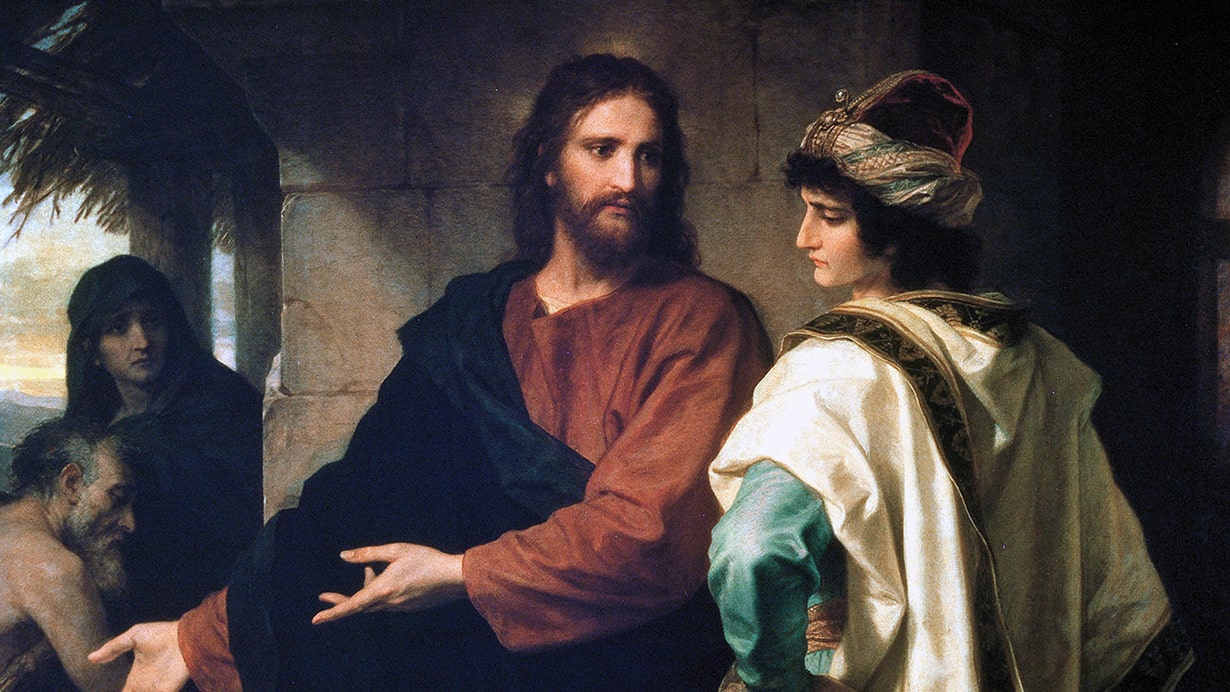
The period of silence emphasizes a critical theological point: Jesus was fully human and fully divine.
His development was as much a part of his mission as his miracles and teachings.
The Gospels portray a God who became man, not simply a divine figure who appeared ready-made.
Understanding Jesus’s human journey—his growth in wisdom, stature, and favor with God and man (as described in Luke 2:52)—helps us connect more deeply with his sacrifice, teachings, and the gospel he brought to the world.
https://youtu.be/G6eDybds1KY
The Final Revelation
We may never know the specific events that filled those 18 years, but by examining the context, the silence, and the traditions, we can infer that those years were not wasted.
They were a time of preparation, grounding, and divine guidance.
Jesus emerged at age 30 not as a mysterious figure but as someone who had lived, worked, learned, and become ready to change the world.
The missing years are not forbidden.
They are simply waiting to be understood.
By acknowledging the humanity of Jesus, we gain a deeper understanding of the divinity of his mission.
The silent years are the years that remind us we all have our moments of preparation, growth, and formation that are not always seen by others, but shape us into who we are meant to become.


