“Hurricane Leonardo Leaves Portugal in Ruins — Towns Flooded, Lives Upended Overnight”
What Portugal woke up to after Leonardo pᴀssed through was not simply storm damage—it was the aftermath of a slow-moving disaster that rewrote landscapes, erased neighborhoods, and exposed how fragile entire regions can be when extreme weather strikes without mercy.
Whether classified as a hurricane-strength system or an unusually violent Atlantic storm, Leonardo behaved with the force and persistence of a natural catastrophe that refused to let go.
For hours that felt like days, relentless rain and violent winds battered southern and central Portugal.
Rivers burst beyond their limits, hillsides liquefied into mud, and towns that had stood for centuries were suddenly fighting for survival.
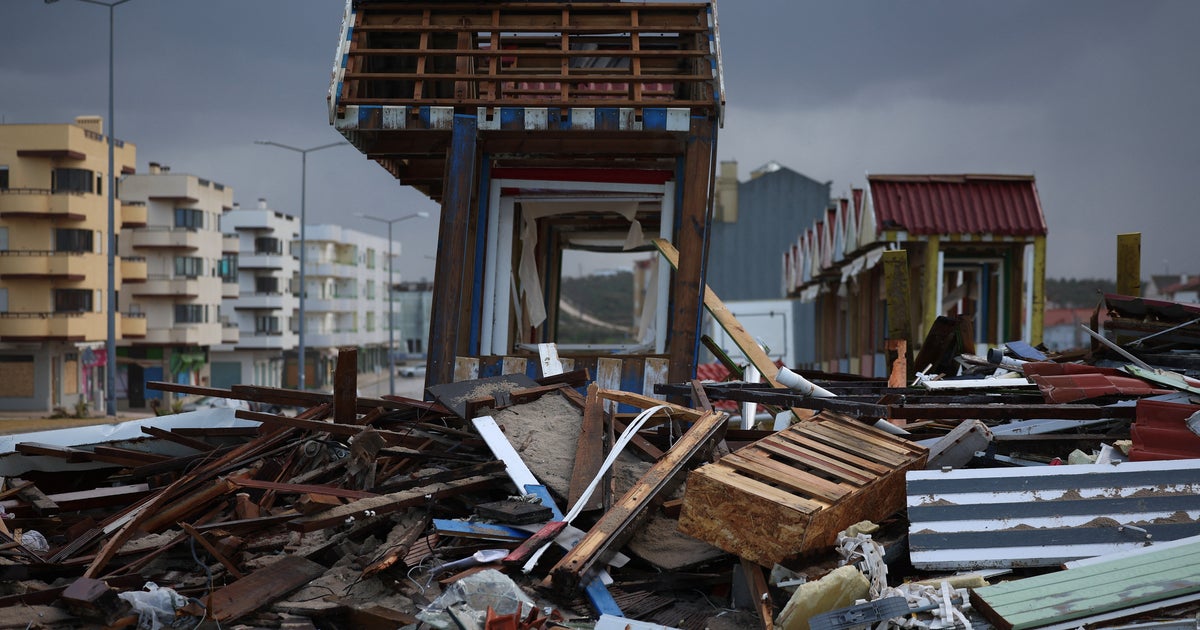
In places like Alcácer do Sal, Setúbal, and surrounding municipalities, streets transformed into raging waterways, swallowing cars, tearing through ground floors, and trapping families inside their own homes.
Residents describe the sound first—a deep, unending roar of wind mixed with the crack of collapsing structures and the rush of water forcing its way through doors and windows.
Many had only minutes to react.
Some fled upstairs.
Others climbed onto rooftops in darkness, waving lights and shouting for help as floodwaters rose faster than emergency services could reach them.
By the time Leonardo weakened, the damage was already done.
Entire neighborhoods were left unrecognizable.
Vehicles lay overturned and stacked against buildings as if thrown by an invisible hand.
Roads cracked open or disappeared beneath thick layers of mud and debris.
Power lines were down, water supplies contaminated, and communication networks crippled just when people needed them most.
Emergency responders worked through exhaustion, carrying out dozens of rescues under extreme conditions.
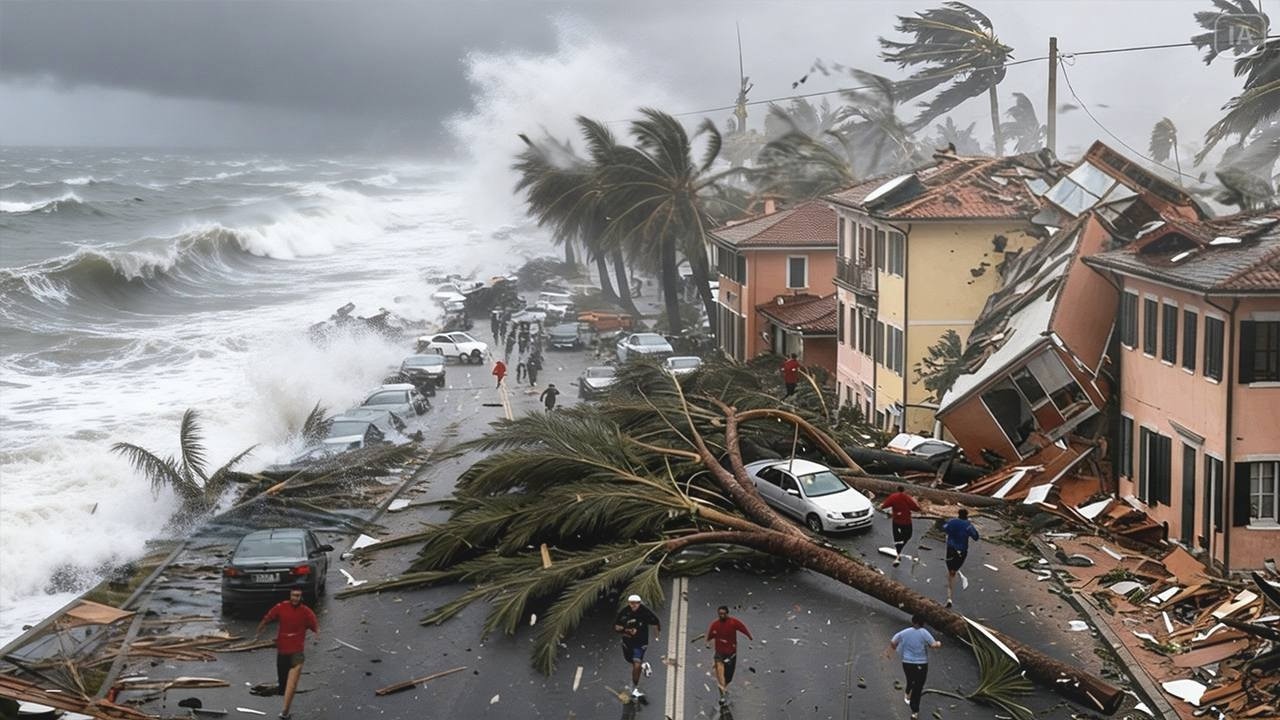
Boats replaced fire trucks in flooded zones.
Helicopters scanned submerged areas for stranded residents.
Officials confirmed that many evacuations happened just moments before structures gave way, underscoring how close the situation came to an even greater tragedy.
The agricultural heartlands surrounding affected towns suffered devastating losses.
Fields were drowned, harvests destroyed, and livestock displaced or killed.
Farmers now face not only immediate financial ruin but long-term soil damage that could take years to recover from.
Local economies, already under strain, absorbed another brutal blow as small businesses watched inventories, machinery, and livelihoods vanish overnight.
As daylight revealed the scale of destruction, shock turned into anger and fear.
Many residents questioned why warnings felt inadequate and why drainage systems failed so completely.
Others simply stood in silence, staring at homes filled with mud, ruined furniture, and personal belongings scattered far from where they once belonged.
Meteorologists explained that Leonardo stalled over Portugal, feeding on warm Atlantic moisture and releasing extraordinary rainfall over a short period.

Climate scientists warn that this pattern—slow, water-heavy storms—has become increasingly common as global temperatures rise.
What once would have been considered a “rare event” is now occurring with alarming frequency.
The Portuguese government declared emergency measures in several regions, promising financial aid, temporary housing, and rapid infrastructure repairs.
But for many families, recovery feels distant.
Insurance claims are uncertain, clean-up is dangerous, and the emotional toll is only beginning to surface.
Hospitals and health officials raised concerns about contaminated floodwater, mold exposure, and the mental health impact on displaced residents.
Children returned to damaged schools, while elderly residents struggled with evacuation trauma and loss of stability.
What Leonardo left behind is more than physical destruction—it left questions.
Questions about preparedness, urban planning, climate resilience, and how many more storms like this Portugal can endure.
In historic towns where stone walls once symbolized permanence, people now understand that even centuries-old structures are vulnerable to a changing climate.
As Portugal begins the long road to recovery, Leonardo’s name will not fade quickly.
It will be remembered as the storm that turned streets into rivers, homes into traps, and ordinary nights into survival stories.
Long after the waters recede and debris is cleared, the memory of how fast everything was lost will remain etched into the country’s collective consciousness.


