Fact Check: No Verified Tunnel or 2. 64 Tons Seized — What’s Really Happening in Minneapolis Federal Raids 📣❗
Federal law-enforcement activity in Minneapolis has become one of the most closely watched and controversial stories in the nation, with multiple agencies conducting coordinated operations across the Twin Cities that have sparked both intense government action and fierce public reaction.
In early 2026, the U.S. Department of Homeland Security announced what it described as its largest immigration enforcement operation ever in the Minneapolis–St.
Paul area, deploying as many as 2,000 federal agents from Immigration and Customs Enforcement (ICE), Homeland Security Investigations, Customs and Border Protection, and other units.
Officials said the effort was designed to address serious criminal activity, fraud allegations, and immigration violations that have been the subject of long-running investigations in Minnesota.
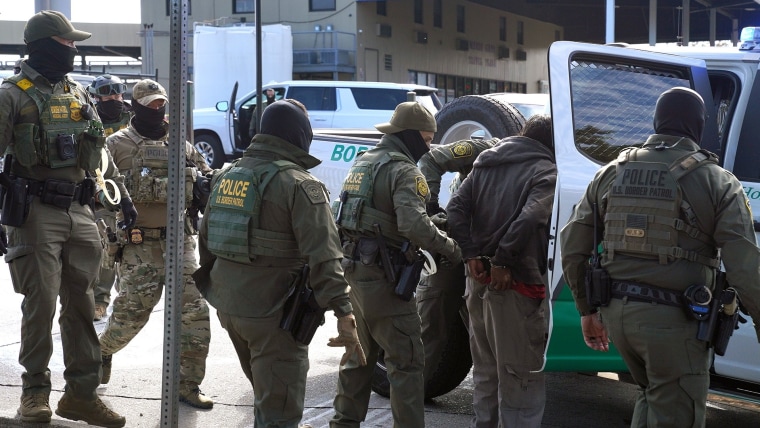
Federal authorities have publicly confirmed that these operations have resulted in arrests and enforcement actions against individuals alleged to have violated federal immigration laws.
In December 2025, authorities reported dozens of arrests of individuals described by ICE as criminal noncitizens, including people charged or convicted of offenses such as ᴀssault, fraud, and other felonies.
Homeland Security officials have framed these actions as targeting people they consider threats to public safety.
Yet the scale and nature of the operations have made Minneapolis a flashpoint for debate and controversy.
Local civil rights leaders, elected officials, and community members have raised concerns about the impact of aggressive federal enforcement on immigrant communities, particularly Somali residents, who make up a large portion of the Twin Cities’ immigrant population.
Some residents and activists allege that the federal presence has been heavy-handed, creating fear and tension in neighborhoods and prompting protests and legal challenges.
One source of misinformation circulating online has been a sensational claim that federal agents uncovered a secret tunnel under a Minneapolis mansion owned by Somali immigration attorneys — discovering 2.
64 tons of narcotics, millions in cash and making 96 arrests in a six-hour raid.
Multiple independent fact checks from reputable outlets examined that narrative and found no credible evidence to support those particulars, noting that the story originated on websites known for unreliable or fabricated content, and that no mainstream or official reporting corroborates the dramatic details.
Fact-checking organizations emphasized that while federal enforcement actions have occurred in Minnesota, the specific claim about a tunnel with mᴀssive drug seizures and dozens of arrests in a single mansion raid is unverified and should be treated as false or unsubstantiated until concrete authoritative reporting emerges.
What is clear from reliable sources is that the federal surge — often referred to as “Operation Metro Surge” — has included a broad series of actions over weeks and months.

In December 2025, ICE reported multiple arrests in the Twin Cities area tied to immigration enforcement.
Officials also said that broader efforts were underway to investigate fraud related to federal aid programs, and that Homeland Security Investigations teams were ᴀssisting in those inquiries.
The federal operation quickly became polarized in local political discourse.
Minnesota’s governor, mayors, and other city leaders criticized what they called a lack of coordination with state and local authorities.
They argued that federal agents entering neighborhoods without adequate communication heightened tensions and undermined trust.
In some cases, city officials temporarily restricted access to municipal facilities for federal use, citing concerns over public safety.
Community groups and activists also documented numerous interactions between residents and federal agents that fueled fear and confusion, especially among Somali-American communities.
In some social media posts and on local forums, residents described interactions with federal agents that they perceived as intimidating or overly forceful.
Civil rights advocates have called for transparency and oversight of enforcement tactics, emphasizing that consтιтutional rights must be upheld even amid federal operations.
Amid this backdrop, true criminal cases have continued to move through Minnesota’s court system.
Separate from the immigration surge, prosecutors have pursued fraud cases related to pandemic aid and public-benefit programs that have involved some defendants with Somali heritage.
These prosecutions and civil cases are documented in court filings and news coverage, but they do not support the unverified and dramatic claims about tunnels and mᴀssive seizures tied to attorneys’ homes.
The information ecosystem around these events has been complicated by the rapid spread of sensational stories on social media and fringe websites.
Misinformation narratives often blend elements of fact — such as confirmed federal enforcement activity — with unsubstantiated claims or exaggerated details, making it difficult for the public to disentangle verified reporting from fiction.
Fact-checkers recommend consulting primary sources such as official DHS press releases and credible news outlets for accurate information.
For residents of Minneapolis and the broader Twin Cities, the reality is more nuanced than any viral claim can capture.
Federal agents have indeed carried out arrests, inquiries, and enforcement actions in connection with broader federal mandates and investigations.
Meanwhile, city leaders, civil rights organizations, and community advocates continue to call for accountability, transparency, and respect for consтιтutional rights during these difficult operations.
As the situation evolves, observers underscore the importance of relying on verified information.
Law-enforcement agencies may release official updates or charges tied to specific cases, and journalists continue to investigate and report on developments.
In such a complex and politically charged environment, separating fact from fiction remains crucial for public understanding.


