I have always been struck by how familiar Mary feels to believers and yet how little her inner journey is truly known.
Her story, when followed carefully through Scripture and ancient writings, does not begin with honor or serenity, but with danger, suspicion, and a burden that could have cost her life.
Before angels sang and shepherds knelt, Mary was a young girl standing at the edge of disgrace, protected only by faith and the courage of a righteous man.
The Bible tells us nothing about how Mary met Joseph, and that silence has left room for ancient traditions to speak.

Early texts describe her as a child dedicated to God, raised within the temple until she reached an age when she could no longer remain there.
Forced by custom to marry, yet bound by a vow of virginity, she became the center of a divine sign.
Joseph, an older widower from the line of David, was chosen not as a conventional husband but as her guardian.
From the very beginning, this union was not about romance but about protection, obedience, and prophecy quietly unfolding.
When Mary conceived by the Holy Spirit, faith did not shield her from fear.
Joseph himself wrestled with an impossible decision.

To expose Mary would destroy her; to stay would ruin his own honor.
Scripture reveals that he chose mercy, even at the cost of his reputation, until an angel confirmed the truth in a dream.
What followed, however, was not instant acceptance.
Ancient tradition recounts that Mary and Joseph were publicly accused and forced to undergo a sacred trial meant to expose adultery.
Their innocence, proven only by divine intervention, spared them from condemnation.
The story of Mary, so often painted in gentle colors, was in reality shadowed by the threat of death.
Mary was likely no more than fourteen years old when she gave birth.
The Mother of the Savior was still a child herself, entrusted with a mission that would reshape history.
Even the date of that birth, now celebrated every December, hides a deeper truth.
The clues scattered through Scripture suggest that Jesus was born not in winter, but in early autumn, possibly during a feast celebrating God dwelling among His people.
From the beginning, symbolism and mystery surrounded Mary’s motherhood, reminding us that divine truth does not always align with tradition.
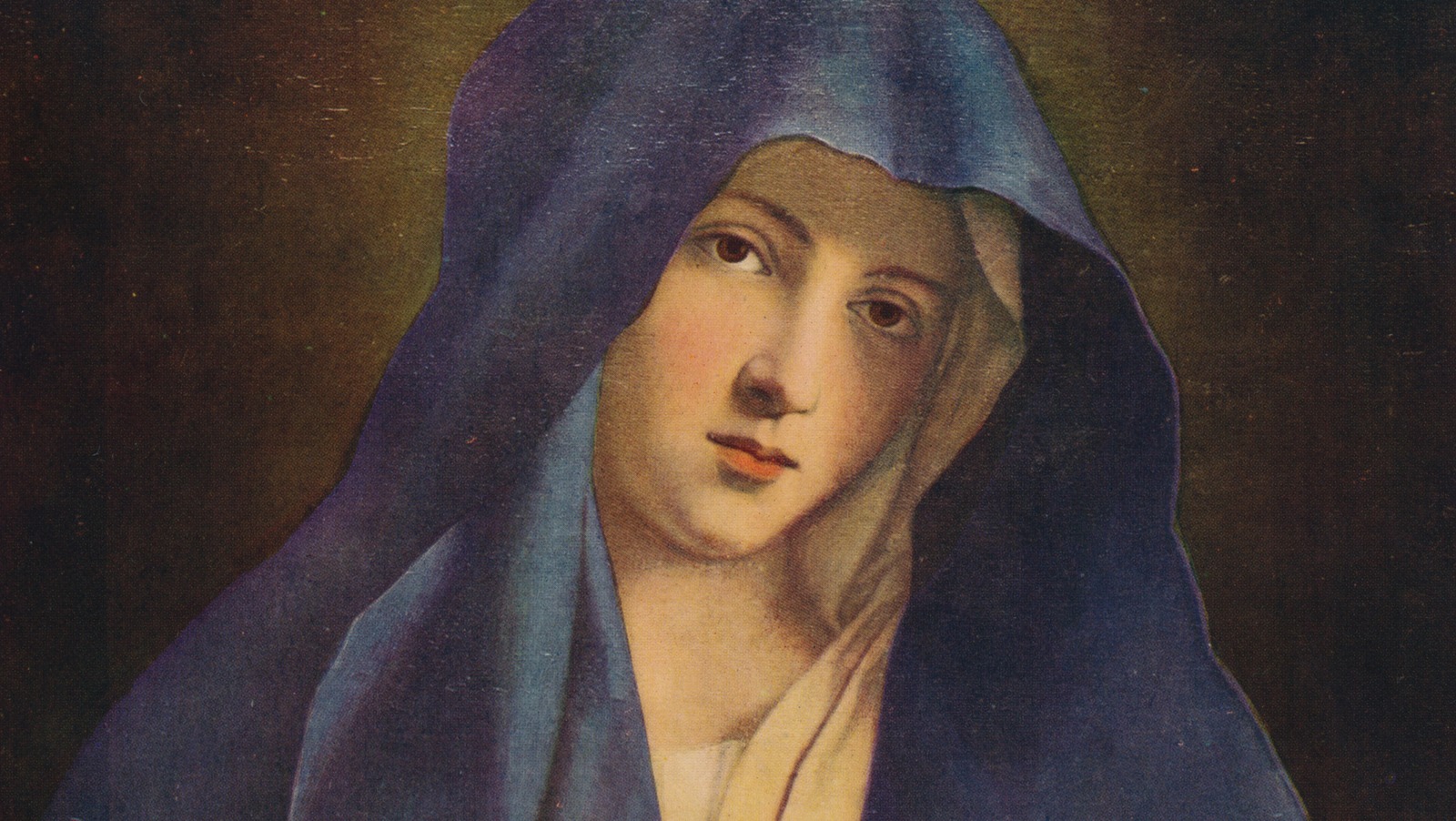
Yet joy never came without sorrow.
When Mary presented her son at the temple, she encountered Simeon, whose blessing carried a warning that pierced deeper than any accusation.
He foretold that her child would divide hearts—and that her own soul would be wounded as well.
From that moment on, Mary carried an invisible prophecy within her, a quiet grief that would mature alongside her son.
She did not protest or question.
She kept everything within, treasuring and pondering, as Scripture so often repeats.
One of the most debated mysteries surrounding Mary is whether she had other children.

The Bible speaks of Jesus’ “brothers,” yet language and context reveal a more complex reality.
In ancient cultures, close relatives were often called brothers, and the actions of Jesus himself suggest Mary had no other sons.
From the cross, he entrusted her not to family, but to a disciple, an act that would have been unthinkable if she were not alone.
Whether those named as brothers were cousins or stepbrothers matters less than the consistent belief of early Christians that Mary’s life was wholly given to one divine purpose.
Throughout Jesus’ ministry, Mary remained mostly silent, yet never absent.
She understood more than she spoke.
At Cana, her confidence in her son’s hidden power brought about his first miracle.

At the cross, when others fled, she stood.
The sword Simeon foretold finally struck, not through violence, but through unbearable love.
To watch her son suffer and die was the ultimate fulfillment of her quiet prophecy, endured without rebellion or despair.
After the resurrection and ascension, Mary appears one final time in Scripture, not exalted, but praying among the fearful disciples.
She witnessed the birth of the Church just as she had witnessed the birth of Christ.
Then she disappears from the biblical record, leaving behind questions that ignited centuries of faith.
How did she die? Did she die at all? Ancient tradition answers not with decay, but with glory.
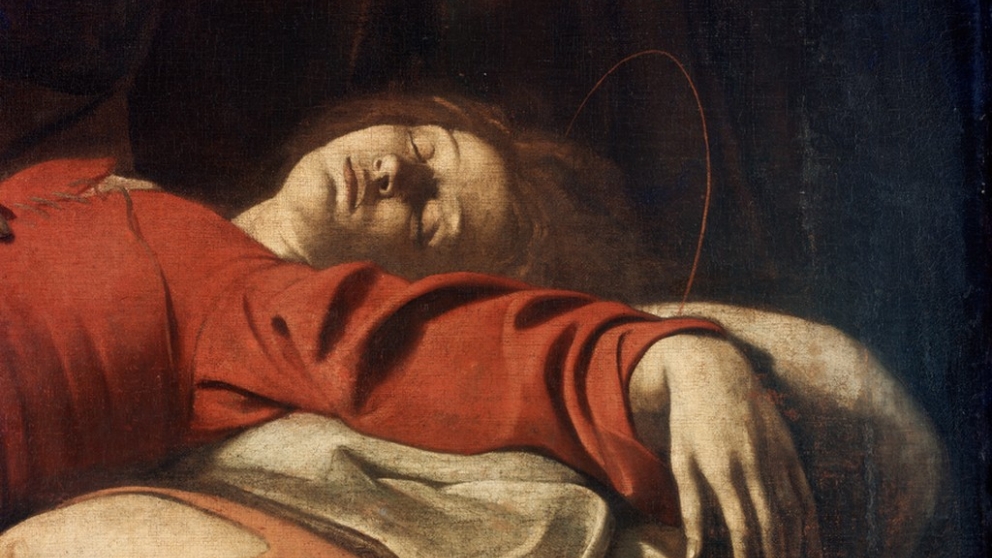
Stories speak of her falling asleep, surrounded by the apostles, and being taken body and soul into heaven—a belief so ancient it left no relics behind.
Even at the end of Scripture, Mary seems to appear once more, veiled in symbolism.
The woman clothed with the sun in Revelation bears a child destined to rule the nations, threatened by a dragon yet protected by God.
She is at once Mary and something greater—the image of God’s people enduring persecution and preserved by grace.
Her story stretches beyond history, touching eternity.

When I look at Mary’s life, I do not see a figure of untouchable perfection, but one of radical trust.
She was small, young, and powerless by the world’s standards, yet chosen to carry the greatest mystery of all.
Her life teaches that faith is not loud, that obedience often unfolds in silence, and that God works most powerfully through those willing to say yes when everything is uncertain.
Mary’s story is not only hers—it is an invitation to believe that even in obscurity, God is still at work.


