Storm Marta Drowns Portugal: Worst Floods in Decades Leave Nation Reeling 🌊🇵🇹
Storm Marta has left Portugal grappling with what authorities and residents alike are calling the worst flooding the country has seen in decades, as relentless rain, overflowing rivers, and collapsing infrastructure plunged entire regions into chaos and emergency.
What began as a powerful Atlantic storm quickly evolved into a nationwide disaster, overwhelming cities, towns, and rural areas that were unprepared for the sheer volume of water that followed.
For days, rain hammered Portugal without pause.
Rivers swelled far beyond their banks, dams were forced to release water to prevent catastrophic failure, and drainage systems collapsed under the pressure.
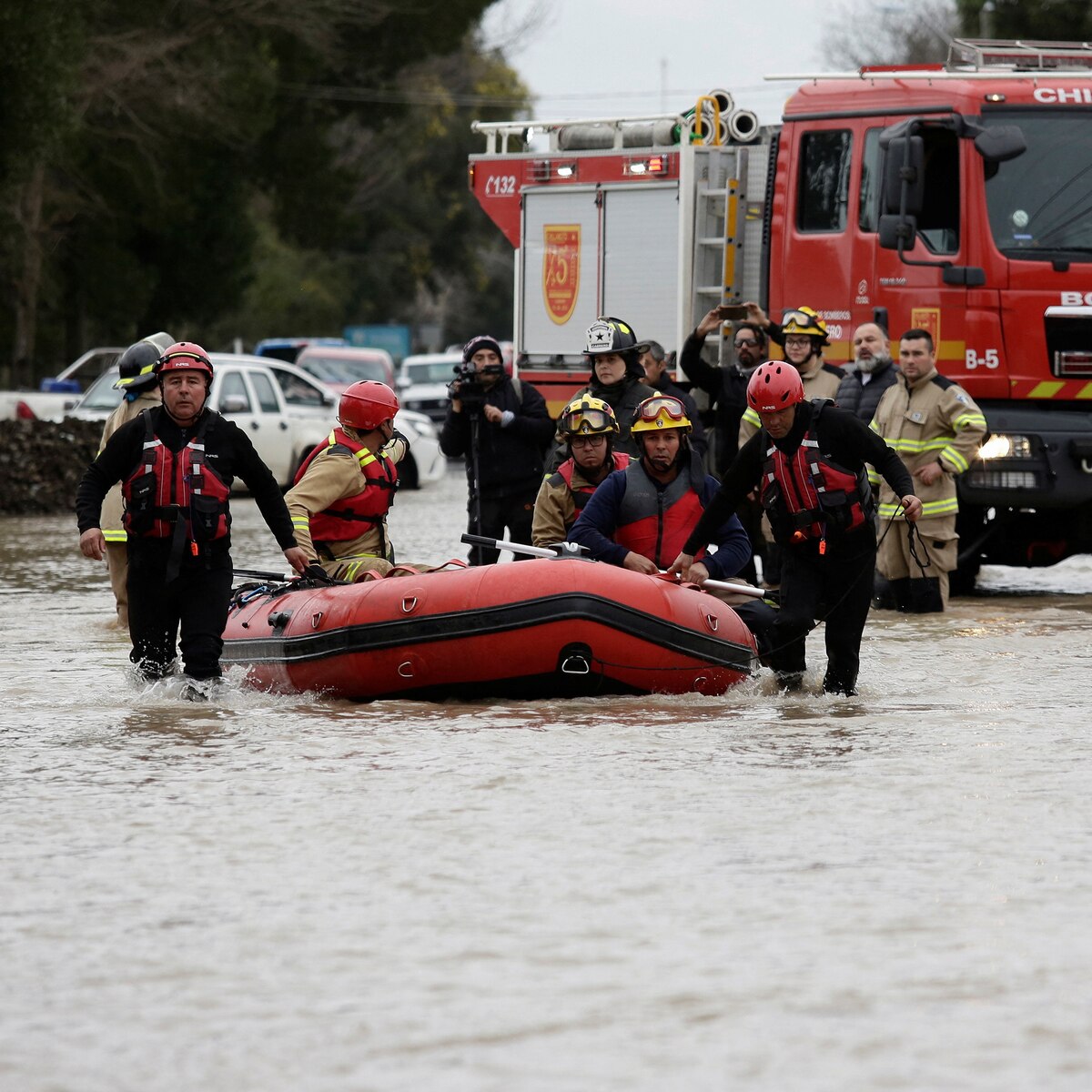
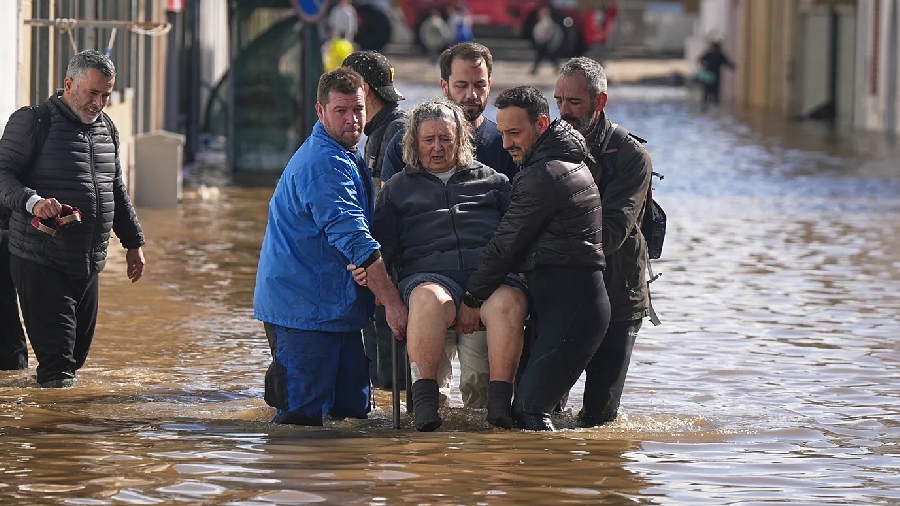
Streets disappeared beneath muddy torrents, transforming neighborhoods into waterways where cars floated, homes were inundated, and residents scrambled to higher ground.
In some areas, water levels rose so fast that families had minutes to evacuate before ground floors were completely submerged.
Emergency services were stretched to their limits.
Firefighters, civil protection units, and military teams worked around the clock, rescuing residents trapped in homes and vehicles, often using boats in places where roads no longer existed.
Helicopters were deployed to reach isolated communities cut off by washed-out bridges and landslides triggered by saturated soil.
Authorities confirmed injuries and warned that the full human toll may not yet be known as search operations continue in the hardest-hit zones.
Northern and central Portugal bore the brunt of the flooding, but no region was entirely spared.
In river basins already swollen from previous rainfall, Marta delivered the final blow.
Major waterways surged simultaneously, creating a domino effect of flooding downstream.
Entire districts were placed under red alert as officials urged residents to stay indoors or evacuate immediately if ordered to do so.
Urban centers experienced scenes of rare destruction.
In several cities, underground garages filled with water, trapping vehicles and cutting power to residential blocks.
Public transportation was paralyzed as metro stations and rail lines flooded.
Hospitals activated emergency protocols to protect patients as water encroached on facilities, while schools were closed nationwide as a precaution.
In rural areas, the devastation was even more profound.
Farmlands were transformed into vast lakes, destroying crops and drowning livestock.
Vineyards, olive groves, and small family farms—cornerstones of local economies—were left underwater, raising fears of long-term economic damage.
Farmers stood helplessly watching decades of work disappear beneath murky floodwaters.
The storm also exposed vulnerabilities in Portugal’s aging infrastructure.
Bridges collapsed or were severely damaged, roads cracked open, and entire villages were temporarily cut off from the outside world.
In mountainous regions, landslides thundered down slopes, sweeping away houses and blocking access routes just as emergency aid was most needed.
Government officials described the situation as unprecedented in modern times.
The prime minister convened emergency meetings as civil protection agencies declared states of alert across multiple districts.
Authorities acknowledged that while Portugal is no stranger to winter storms, the intensity and persistence of Marta set it apart from anything seen in recent memory.
Meteorologists explained that Storm Marta stalled over the Iberian Peninsula, fed by unusually warm Atlantic waters that allowed it to dump extreme amounts of rain over a short period.
Experts warned that such weather patterns are becoming increasingly common, driven by climate change, and that Portugal faces growing risks of extreme flooding if adaptation measures are not accelerated.
As waters slowly began to recede in some regions, the scale of the destruction became painfully clear.
Homes were left uninhabitable, filled with mud, debris, and contaminated water.
Furniture, appliances, and personal belongings were piled outside in grim rows as residents attempted to salvage what little they could.
The smell of sewage and stagnant water hung heavily in the air.
Thousands of people were displaced, seeking refuge in emergency shelters set up in sports halls, schools, and community centers.
Aid organizations distributed food, clean water, blankets, and medical ᴀssistance, while health authorities warned of potential outbreaks of waterborne diseases.
Psychological support teams were also deployed to help residents cope with trauma and loss.

Stories of fear and survival emerged from every corner of the country.
Some residents recalled climbing onto rooftops as water engulfed their homes, signaling for help as night fell.
Others described being rescued from vehicles swept off roads by floodwaters.
“I have never seen anything like this,” one resident said.
“The water just kept rising, and there was nowhere to go.”
The floods have reignited debate about preparedness and climate resilience in Portugal.
Critics argue that drainage systems, river management, and land-use planning have not kept pace with the realities of a changing climate.
Officials, while defending emergency responses, acknowledged that long-term investment will be required to prevent future disasters of this magnitude.
Damage ᴀssessments are ongoing, but early estimates suggest losses running into the billions of euros.
Infrastructure repair, housing reconstruction, and agricultural recovery are expected to take months, if not years.
The government has pledged financial ᴀssistance to affected families and businesses, though many fear that recovery will be slow and uneven.
As Portugal mourns the losses and begins the long road to recovery, Storm Marta stands as a stark warning.
The floods were not just a natural disaster, but a test of resilience in an era of increasingly extreme weather.
For many, the images of submerged towns and raging rivers will remain etched in memory as a reminder of how quickly life can be upended.
With more rain forecast in the coming weeks, authorities remain on high alert.
Emergency crews continue to patrol vulnerable areas, hoping the worst has pᴀssed.
But across Portugal, a single question lingers: if this was the worst flooding in decades, what comes next?


