California’s ᴅᴇᴀᴅLIEST Avalanche in DECADES — Skiers RUNNING ⚠️
On the morning of February 17, 2026, tragedy struck in California’s Sierra Nevada as a mᴀssive avalanche claimed the lives of eight out of nine backcountry skiers.
In a matter of seconds, a mountain the size of a football field collapsed without warning, leaving a community in shock and mourning.
The skiers were part of a guided expedition led by Blackbird Mountain Guides, making their way back from a remote mountain hut near Castle Peak, just northwest of Lake Tahoe.
They were on the last leg of a three-day trip, eager to return home to their families, who were waiting for them during winter break.
However, they never made it back.

The avalanche, now recognized as the ᴅᴇᴀᴅliest in the United States in 45 years, has left investigators, forecasters, and the mountain community grappling with the aftermath.
Of the nine skiers reported missing, eight have been confirmed ᴅᴇᴀᴅ, with the ninth still buried beneath the snowpack near a location known as Perry’s Point.
Search teams have marked the bodies with avalanche poles, hoping to recover them when conditions allow, as the mountain remains too dangerous for rescuers to enter.
To understand this tragic incident, one must look beyond the morning of February 17th and examine the winter conditions leading up to the event.
The 2025-2026 snow season in California began weak, with warm temperatures and dry weather prevailing through much of January and early February.
By the time the storm hit, the Sierra Nevada snowpack was only at 88% of its seasonal average.

While this may seem normal, it was anything but.
The prolonged warm conditions allowed for a process called temperature gradient metamorphism, which caused the existing snow crystals to change shape and become weak, forming a loose, unstable layer referred to as depth hoar.
As the storm approached, an atmospheric river slammed into the Sierra Nevada, bringing with it extraordinary snowfall totals.
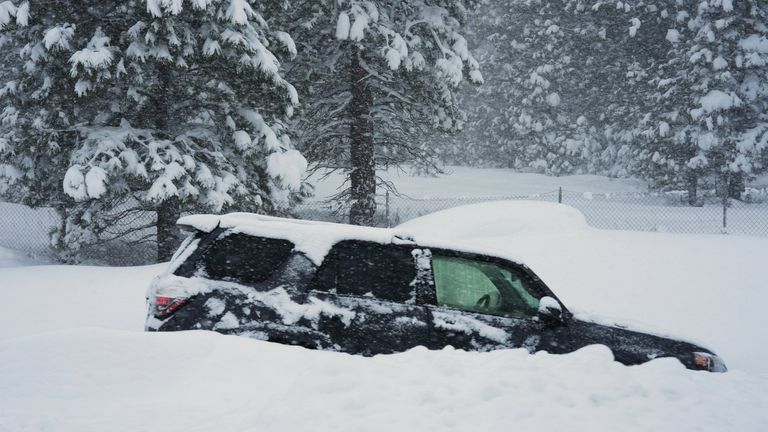
In the 24 hours leading up to the avalanche, the Soda Springs area recorded 30 inches of new snow, while higher elevations experienced accumulations of 3 to 6 feet, with some zones seeing nearly 7 feet.
This enormous load of fresh snow was placed directly on top of a fragile foundation that had been developing for weeks, creating a precarious situation.
On February 15th, the Sierra Avalanche Center issued a warning alert for the central Sierra Nevada, including the Castle Peak area, indicating that large avalanches were likely within the next 24 to 48 hours.

This alert was active when the group from Blackbird Mountain Guides arrived at their hut.
Despite the warnings, the guides, all highly trained and experienced, proceeded with their trip.
The founder of Blackbird, Zeb Bless, and his team are recognized for their expertise in backcountry skiing and avalanche safety, making the decision to continue their expedition even more puzzling.
The day before the avalanche, Blackbird Mountain Guides posted a video on social media, discussing the weak layering they had observed in the snowpack.
They explicitly warned their followers about the dangers of the unstable layer that would ultimately contribute to the avalanche.
Yet, the very next morning, the group set out to exit the huts, despite the avalanche center issuing a high danger warning for the entire area.
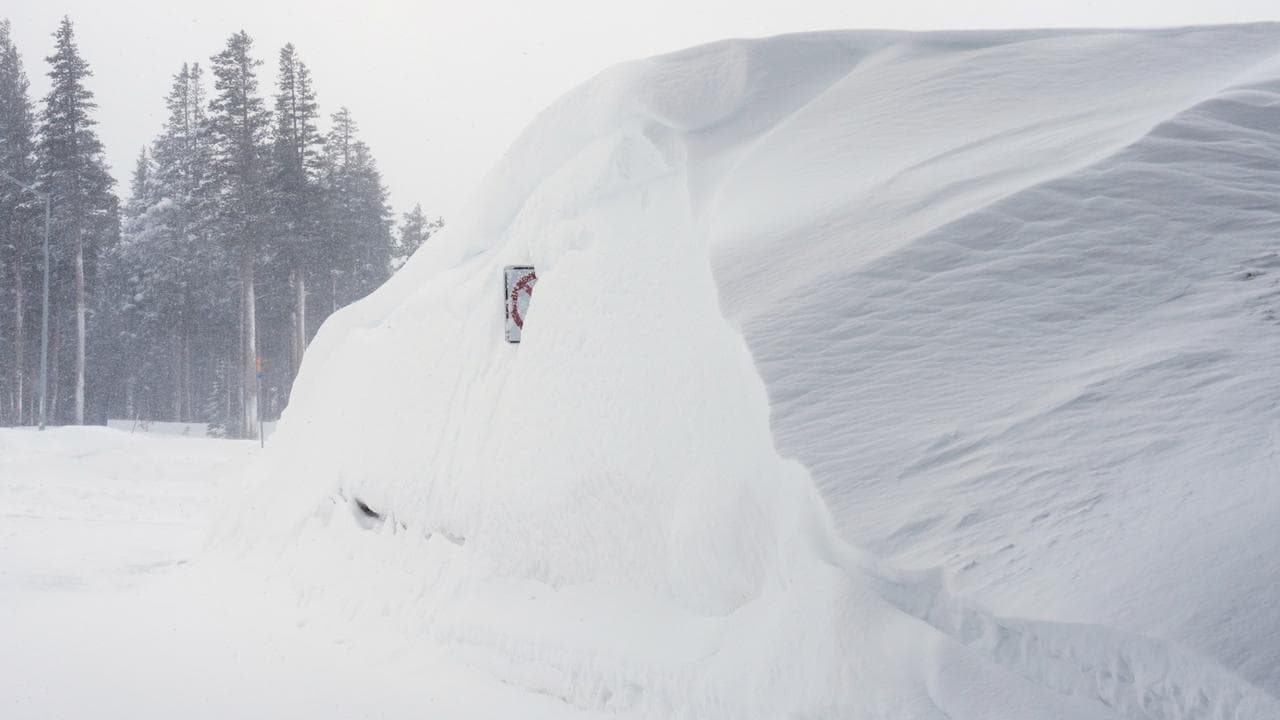
The route they took was fraught with hazards, characterized by rugged mountainous terrain where avalanches could occur not just from above but also from the sides.
At approximately 8,200 feet elevation, below Perry’s Point, the slab released, resulting in a mᴀssive avalanche that traveled at speeds of 60 to 70 mph.
Eyewitnesses reported that the avalanche overtook the skiers quickly, with seven to ten individuals buried in the initial slide.
The remaining members of the group sought refuge among trees, using whatever materials they could find to create makeshift shelter.
They sent emergency SOS alerts via their iPhones, which is how authorities first learned of their survival.
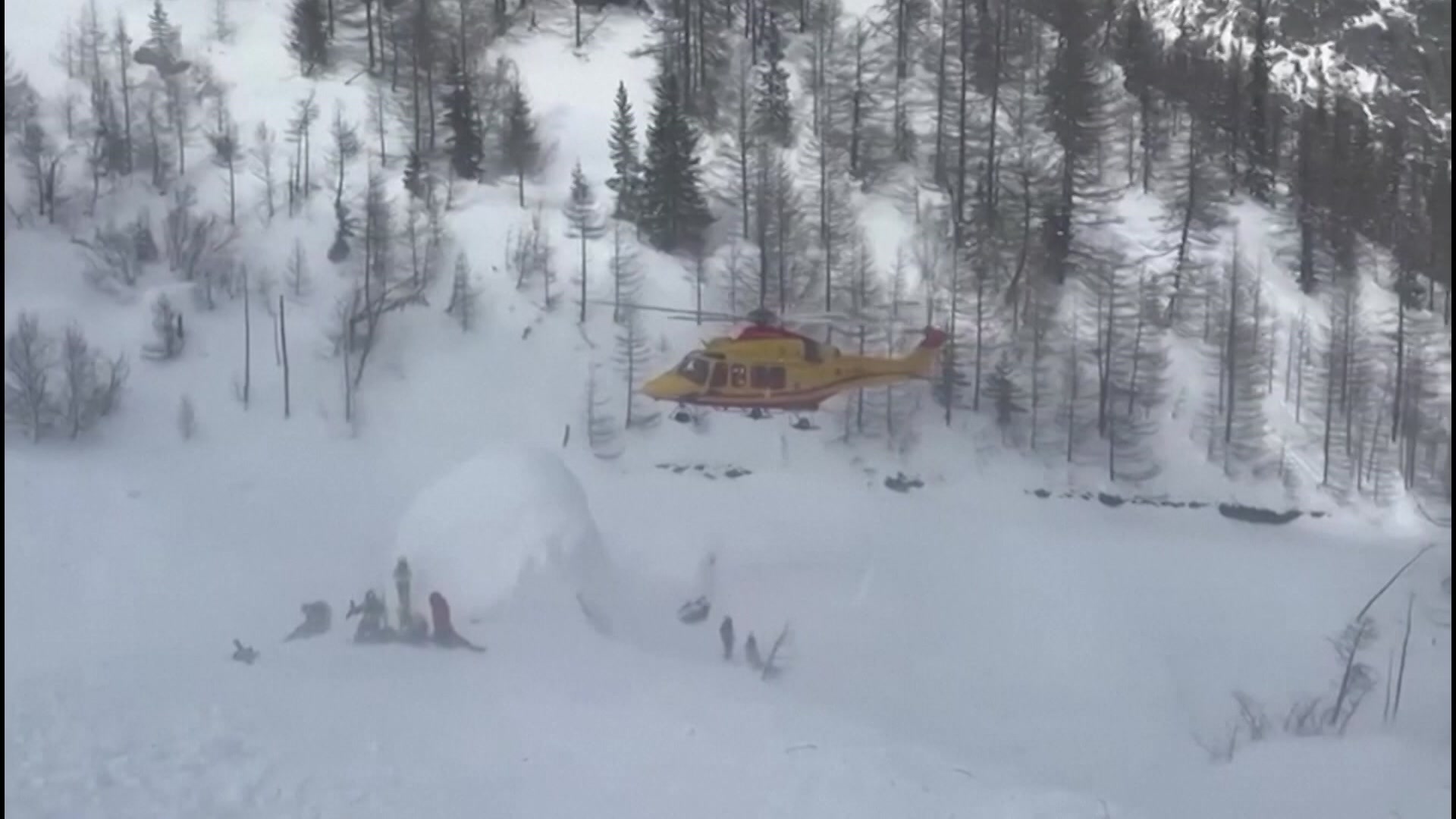
Rescue teams faced significant challenges due to blizzard conditions, making it impossible to deploy helicopters or snowmobiles directly to the site.
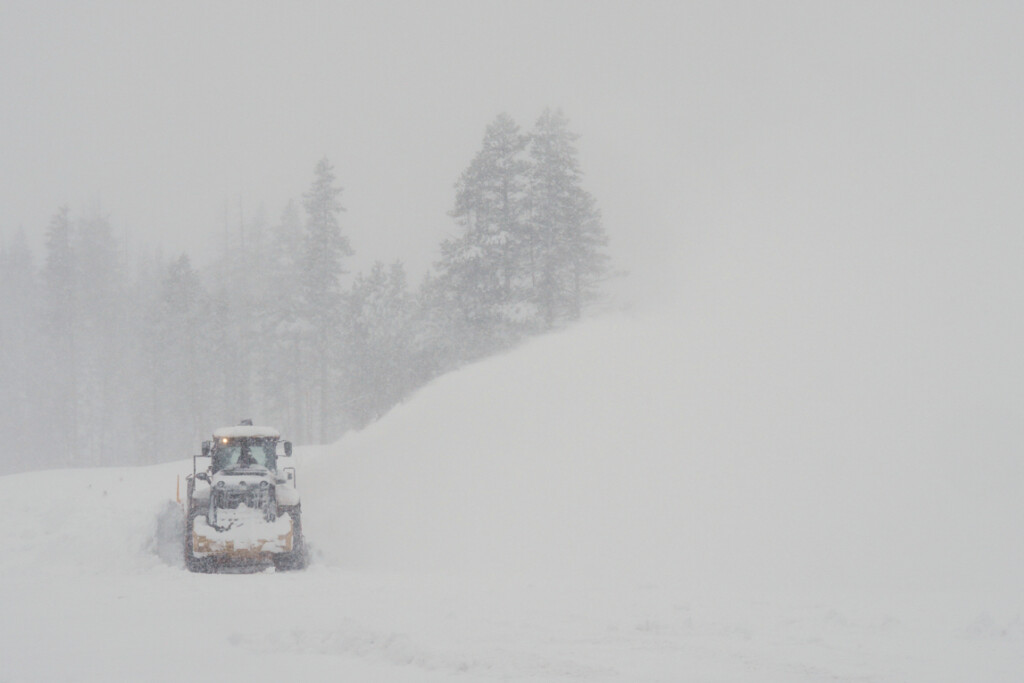
Instead, they utilized tracked vehicles and skis to navigate the treacherous terrain.
After six hours, the rescue teams reached the survivors, who were evaluated and released at the scene.
However, the search for the nine missing skiers began in earnest the following day.
Crews located the bodies of eight skiers, all found clustered together, indicating they were moving as a unit when the avalanche struck.
The ninth skier remains unaccounted for, buried somewhere beneath the deepening snowpack.
Among the deceased were six clients and three of the four Blackbird mountain guides who led the trip.
This tragedy hits particularly hard for the community, as many of the clients were parents of students at a local private boarding school for compeтιтive young skiers.
The school community is now mourning the loss of multiple members, with the director having recently expressed excitement about the winter season to parents.
The investigation into the decisions that led to this tragedy is ongoing.
Authorities are scrutinizing why the group chose to continue their trip despite the avalanche warnings.
Three theories have emerged, each highlighting the complexities of decision-making in high-stakes environments.
The first theory suggests a calculated risk acceptance, where experienced guides believed they could navigate the dangerous terrain safely.
The second theory posits entrapment logic, where the group felt that staying in the huts during blizzard conditions posed its own risks.
Finally, the third theory involves the social and professional pressures that come with leading such trips, where the desire to deliver an experience can cloud judgment.
While these theories provide some context, they do not diminish the gravity of the situation.
The persistent weak layer that contributed to the avalanche remains present, and further snowfall is expected in the coming days.
Authorities have marked the locations of the bodies with avalanche poles, allowing for future recovery efforts when conditions improve.
The tragedy at Castle Peak serves as a stark reminder of the inherent dangers of backcountry skiing.
Unlike ski resorts, which implement avalanche control measures, the backcountry lacks such infrastructure.
Those who venture into these areas do so with the knowledge and equipment they carry themselves, facing risks that can escalate rapidly.
As the investigation continues, the questions surrounding this tragedy remain.
Was this incident survivable?

If so, why did the group proceed?
The answers may never be clear, but the impact of this devastating avalanche will resonate throughout the community for years to come.
Tonight, nine skiers who set out for what was meant to be an exhilarating adventure will never return home.
Their families are left to grapple with the loss, while the mountain continues to hold its secrets beneath the snow.
The weight of the tragedy lingers, a somber reminder of nature’s unpredictable power and the risks that come with seeking adventure in the great outdoors.


