Before sunrise in Marysville, Washington, flashing red and blue lights pierced the silence of a normally quiet residential street.
According to federal investigators, what unfolded was not a routine search warrant but a coordinated pre-dawn operation involving agents from Immigration and Customs Enforcement and the Federal Bureau of Investigation.
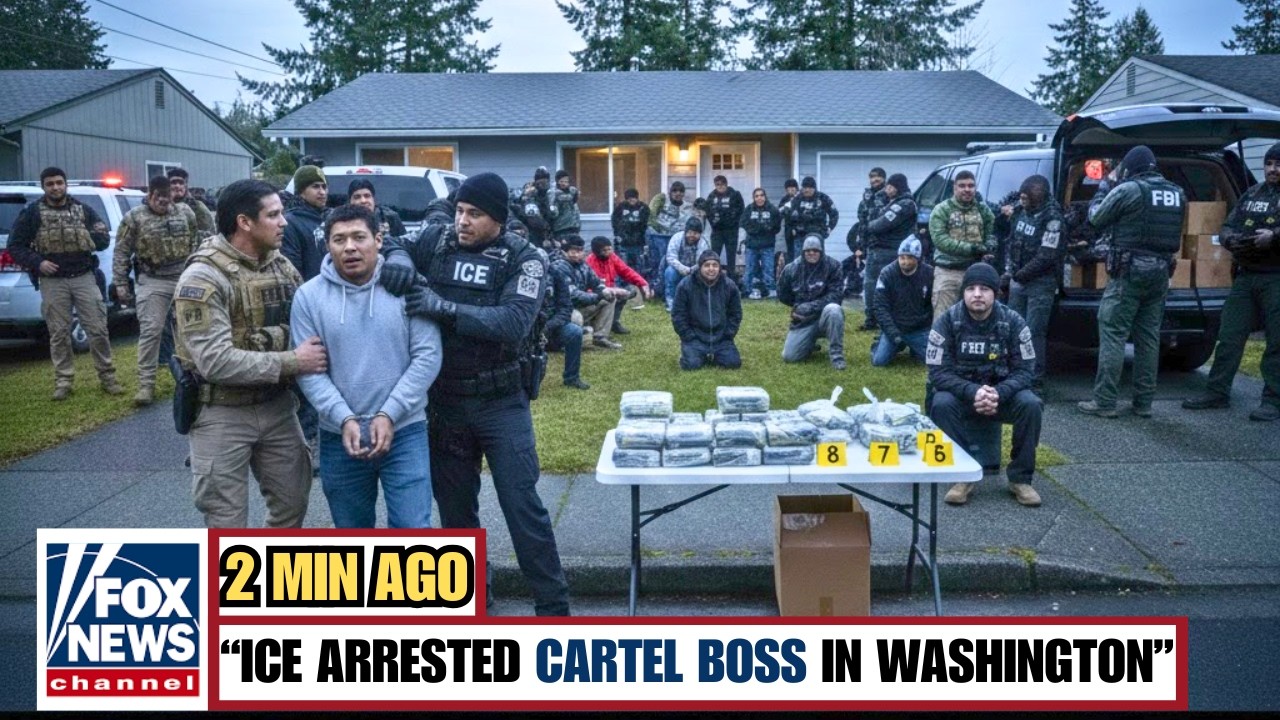
By the time the sun rose, authorities say a suspected regional trafficking network had been disrupted and a man identified by prosecutors as Luis Donaldo Galana Garcia was in federal custody.
The operation, described by officials as the culmination of a months-long investigation, allegedly uncovered what prosecutors characterize as a cartel-linked drug distribution hub operating across western Washington.
Federal authorities state that agents executing the warrant recovered approximately 20 pounds of cocaine, 15 pounds of methamphetamine, multiple firearms, and roughly $155,000 in cash from the property.
The seized narcotics, if confirmed through forensic testing, could carry a significant street value and potential impact on the local drug supply chain.
According to court filings referenced by federal officials, Galana Garcia is accused of serving as the alleged ringleader of a regional distribution network that investigators believe funneled narcotics into various communities throughout the state.
Prosecutors ᴀssert that surveillance operations, confidential sources, and financial tracking helped build the case that led to the raid.
Authorities have emphasized that all charges remain allegations at this stage and that the accused is presumed innocent unless proven guilty in court.
Neighbors described waking to the sound of vehicles arriving in unison, followed by what one resident called a swift and methodical entry.
Some reported seeing agents in tactical gear moving through the property while others watched from behind drawn curtains.
For many in the neighborhood, the realization that a suspected trafficking operation may have been operating nearby has left a lingering sense of disbelief.
Federal investigators say the case began with intelligence suggesting that a local property was being used as a storage and redistribution point for narcotics transported into the region.
According to authorities, shipments were allegedly moved through a layered structure designed to mask the origin and final destinations of the drugs.
Law enforcement officials have not publicly detailed the precise routes but indicated that the operation may have involved multiple states.
In addition to the narcotics and currency, agents reportedly seized several firearms.
Authorities have not specified whether those weapons were legally registered but stated that their presence elevated concerns about potential violence ᴀssociated with the alleged operation.
Prosecutors have suggested that weapons are often used by trafficking organizations to protect product and cash, though they stopped short of alleging any specific violent acts tied to this case.
What has added another dimension to the unfolding story is the mention of possible internal concerns raised during the investigation.
According to federal sources familiar with the case, investigators are also reviewing whether any misconduct occurred during earlier phases of the operation.
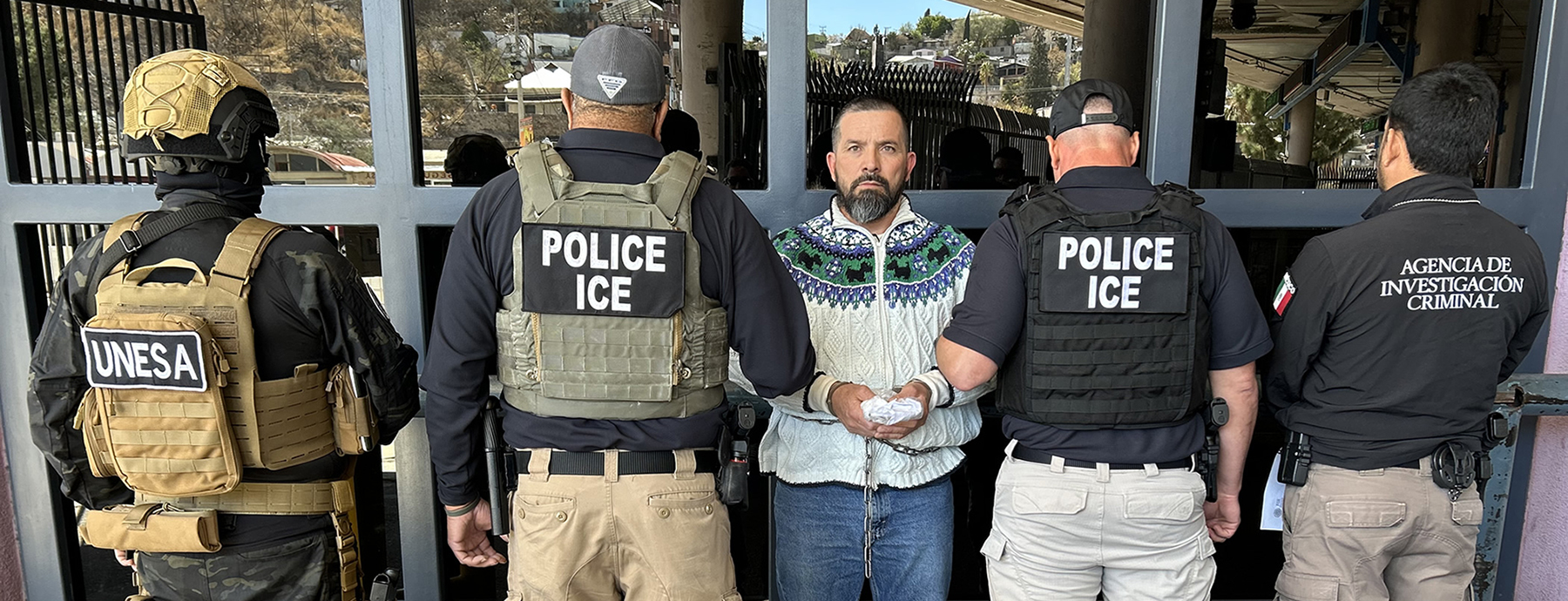
Officials have not confirmed allegations of corruption but stated that oversight mechanisms are in place and any credible claims would be taken seriously.
At this time, no federal agents have been formally charged in connection with the case, and authorities stress that internal reviews are standard procedure in complex investigations.
Prosecutors allege that the accused coordinated logistics, managed distribution contacts, and oversaw financial transactions linked to the suspected drug sales.
Financial records, according to authorities, are believed to show structured cash deposits and transactions that investigators claim were designed to avoid triggering reporting requirements.
Law enforcement officials say such methods are commonly used in money laundering schemes, though those specific allegations will need to be proven in court.
The scale of the seizure has drawn attention from state and federal leaders, who have reiterated ongoing efforts to combat narcotics trafficking in the Pacific Northwest.
Overdose rates and drug-related crimes have been pressing concerns in the region, prompting coordinated enforcement initiatives.
Officials have cautioned, however, that dismantling one alleged network does not eliminate broader supply chains.
Legal analysts observing the case note that federal drug trafficking charges can carry severe penalties, particularly when large quanтιтies and firearms are involved.
If convicted, the accused could face significant prison time.
Defense attorneys, meanwhile, are expected to challenge the evidence, including the methods used to obtain surveillance and search warrants.
As with any high-profile federal case, pre-trial motions may focus on the legality of the search, the credibility of informants, and the handling of evidence.
Community leaders have urged residents to remain calm and allow the judicial process to unfold.
Some have expressed concern about the broader implications of labeling operations as cartel-linked before a full trial has occurred.
Law enforcement agencies have stated that references to international trafficking connections are based on intelligence ᴀssessments but declined to release specific documentation publicly at this stage.
The raid also highlights the growing complexity of drug distribution networks in the United States.
According to federal authorities, trafficking operations often rely on decentralized cells that operate semi-independently, making detection more difficult.
Investigators say they believe this case reflects that model, with alleged regional oversight combined with compartmentalized distribution.
While authorities described the operation as a success, they also acknowledged that investigations of this magnitude are rarely isolated.
Officials have indicated that additional arrests could follow if further evidence supports expanded charges.
They emphasized that the current arrest may represent only one segment of a larger inquiry.
For residents of Marysville, the immediate focus remains on restoring a sense of normalcy.
Parents walked children to school past the now-quiet property, and workers resumed their commutes, yet conversations lingered about what allegedly transpired behind closed doors.
Some neighbors expressed relief, others shock, and many questions remain unanswered.
Federal prosecutors are expected to present additional details during upcoming court hearings.
Preliminary appearances typically involve formal reading of charges and decisions regarding detention or release pending trial.
Given the nature of the allegations, prosecutors may argue that detention is warranted due to flight risk or community safety concerns.
Defense counsel is likely to counter with arguments regarding presumption of innocence and conditions for supervised release.
As this case progresses, it serves as a reminder of the balance between aggressive enforcement and due process.
Authorities say their mission is to disrupt illegal drug pipelines and protect communities, but they also acknowledge the importance of transparency and accountability within federal agencies.
The coming weeks may reveal whether this operation was indeed the dismantling of a major regional trafficking hub or one chapter in a much larger investigation.
Court proceedings will determine the strength of the evidence, the validity of the charges, and ultimately the fate of the accused.
For now, one thing is certain: the quiet streets of Marysville became the center of a federal crackdown that authorities say exposed an alleged network operating in plain sight.
Whether more names, connections, or internal revelations emerge remains to be seen.
What began in darkness before dawn has now entered the bright, scrutinizing light of the courtroom.


