😱 California Health Crisis ERUPTS as 31,000 Kaiser Workers Announce INDEFINITE Strike 😱
California is on the brink of a significant health crisis as 31,000 Kaiser workers announce their plans to strike indefinitely.
This decision follows a series of escalating tensions between healthcare professionals and Kaiser Permanente, the state’s largest healthcare provider.
The United Nurses ᴀssociations of California and the Union of Health Care Professionals delivered a strike notice to Kaiser executives, indicating that they will walk off the job on January 26, 2026.
This strike is not just for a few days or weeks; it is set to continue until a satisfactory agreement is reached.
The stakes are high, as approximately 12.6 million people depend on Kaiser for their healthcare needs.

The workers planning to strike include nurses, pharmacists, nurse anesthetists, therapists, dieticians, and clinical lab scientists across nearly 20 hospitals and over 200 clinics in California and Hawaii.
Their contract expired on September 30, 2025, and they have been working without a contract for months.
Kaiser has faced significant work stoppages before; notably, in October 2023, over 75,000 workers participated in a three-day strike, marking the largest healthcare strike in American history.
That strike concluded after intervention from acting labor secretary Julie Sue, who brokered a deal at 3:00 AM in San Francisco.
However, the current strike involves a different union coalition—the Alliance of Health Care Unions—which has not reached an agreement despite over 900 bargaining sessions.
The union is demanding a 25% wage increase over four years, while Kaiser has offered 21.5%.

This 3.5% gap translates to approximately $300 million annually, but workers insist the conflict is not solely about money.
Nicole Wooten, a registered nurse at Kaiser Riverside, expressed the exhaustion felt by nurses due to overwhelming patient loads.
She described the relentless pace of work, where nurses feel as though they are on a timer, moving from one patient to another without adequate time to provide quality care.
Nick Partida, an emergency room nurse at Kaiser’s Irvine Medical Center, emphasized the critical nature of their work, stating that the quality of care should reflect the promises made by Kaiser.
The union argues that current staffing levels are unsustainable and pose safety risks, demanding enforceable staffing standards in their contract.
Kaiser’s position differs; the company claims its workers already earn 16% to 24% more than similar healthcare workers at other organizations.

They ᴀssert that their wage offer is among the strongest in national bargaining history, projecting total compensation increases of approximately 30% over the contract’s duration.
Kaiser spokesperson Carol Suda labeled the strike as unnecessary, arguing that the proposed compensation is generous and aimed at serving patients.
In October 2025, these same workers conducted a five-day strike, during which Kaiser employed up to 7,600 replacement workers to maintain operations.
While the company reported that only 3% of appointments and surgeries in Northern California were rescheduled, the situation was more severe in Southern California, where pharmacies temporarily closed and ambulances were diverted from several facilities.
This current strike, however, is indefinite, and the union has made it clear that they will not return to work until an agreement is reached.
Brian Mason, a negotiator for UNACUHCP, stated unequivocally that they will remain on strike until a satisfactory agreement is achieved.
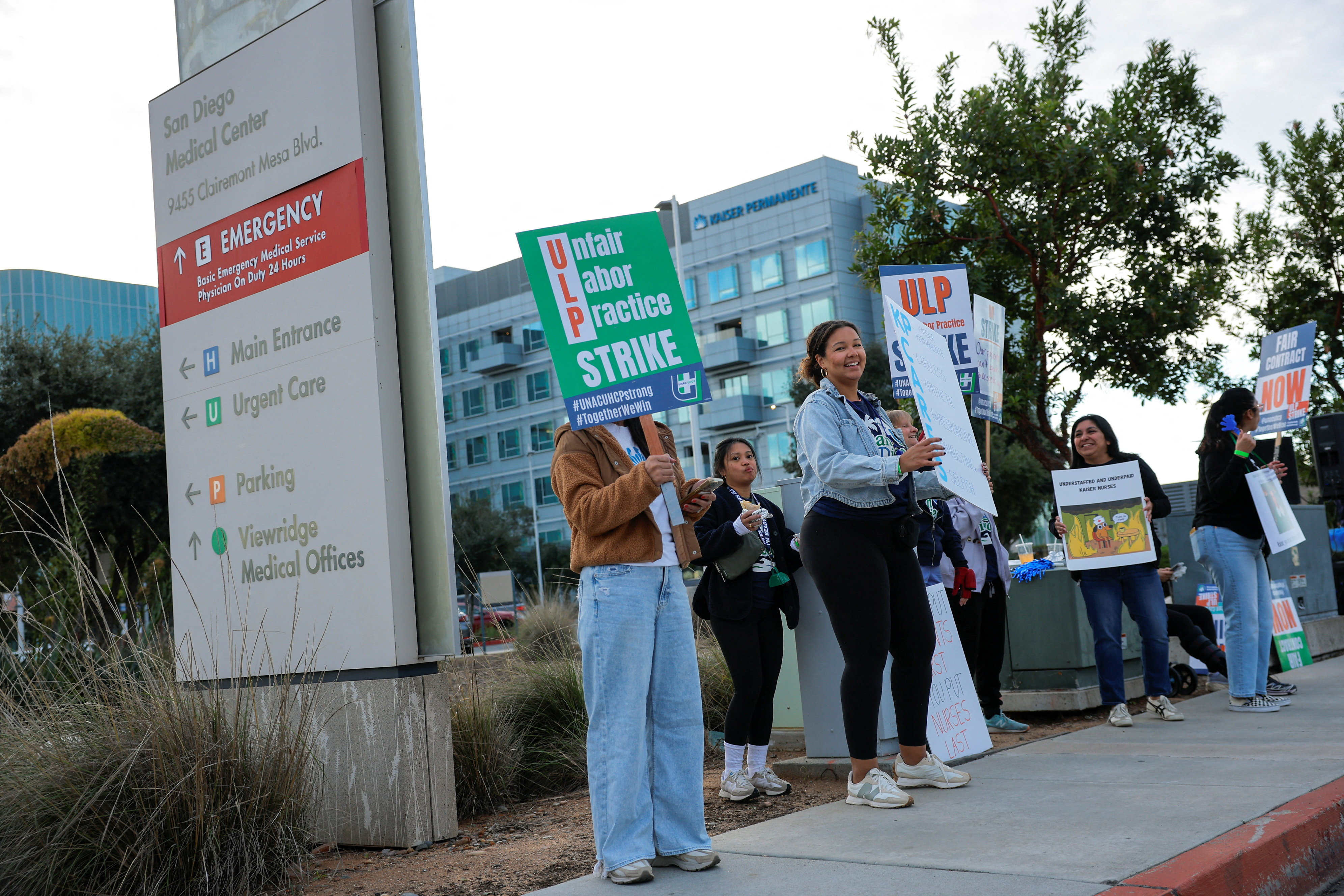
This strike follows a pattern of labor unrest at Kaiser, which recently emerged from the longest mental health worker strike in American history.
In October 2024, 2,400 mental health clinicians walked out and did not return until May 2025, exposing a staffing crisis in Kaiser’s mental health division.
Statistics reveal that Kaiser had only one therapist for every 3,000 patients and one psychologist for every 57,000 patients, highlighting the dire need for improved staffing.
Union President Charmaine Morales emphasized that this new strike seeks to address staffing issues that protect patients and establish workload standards to prevent moral injury among healthcare workers.
The financial picture surrounding Kaiser adds another layer of complexity to the negotiations.
Kaiser Permanente reported operating revenue of $115.8 billion, with a net income of $12.9 billion in 2024, although this figure included $6.8 billion in one-time acquisition gains.

The company’s financial reserves stand at approximately $67 billion, while Kaiser CEO Greg Adams received total compensation of $12.7 million.
Over the past seven years, the top 30 executives at Kaiser have collectively earned $419 million in compensation.
In response to these figures, Joe Gazinski, the executive director of UNACUHCP, pointed out the stark contrast between executive salaries and the wages of frontline workers, who struggle to keep pace with the rising cost of living.
Kaiser maintains that its operating margin is thin, at just 0.3% in 2024, and claims that higher wages could lead to increased consumer costs.
However, workers see a company with $67 billion in reserves claiming it cannot afford their requests as disingenuous.
As negotiations remain stalled since December 14, 2025, the union has filed an unfair labor practice charge against Kaiser, disputing the company’s characterization of the negotiations.
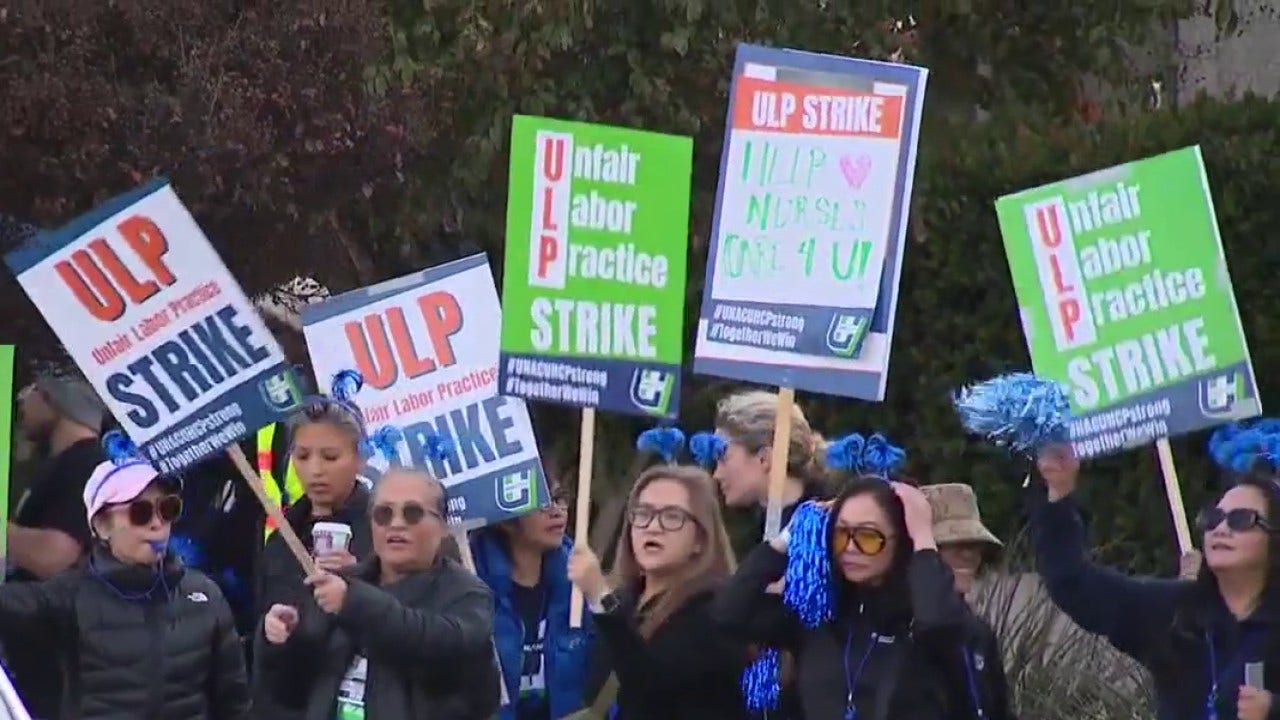
On January 15, 2026, UNACUHCP delivered a 10-day strike notice, further escalating the situation.
While some progress has been made at local bargaining tables, with 29 of 53 local union tables resolving their issues, the core national issues of wages, staffing standards, and benefits remain unresolved.
Kaiser ᴀsserts it has contingency plans in place, indicating that hospitals and clinics will remain open, and replacement workers will be brought in.
Some appointments may shift to virtual care, and elective procedures could be rescheduled.
However, these contingency plans do not eliminate disruption; they merely manage it.
Union President Charmaine Morales framed the stakes clearly, stating that they are not striking for attention but to win staffing that protects patients and to secure the respect and dignity that workers have long been denied.

She added that Kaiser could end the strike at any time by returning to the bargaining table in good faith.
As the strike date approaches, neither side appears willing to compromise.
With nearly 20 hospitals and over 200 clinics affected, the impact of the strike will be felt widely.
Patients who rely on Kaiser for their healthcare—whether it’s a pregnant mother awaiting a prenatal appointment, a cancer patient scheduled for treatment, or a child needing a prescription—will experience the consequences of this labor dispute firsthand.
The fallout from this standoff will not be measured merely in percentages or press releases but in delayed care, disrupted routines, and the growing uncertainty about whether the healthcare they pay for will be available when they need it most.


