Santorini’s Secret Underwater Volcano Is Filling With Magma — And No One Can Stop It
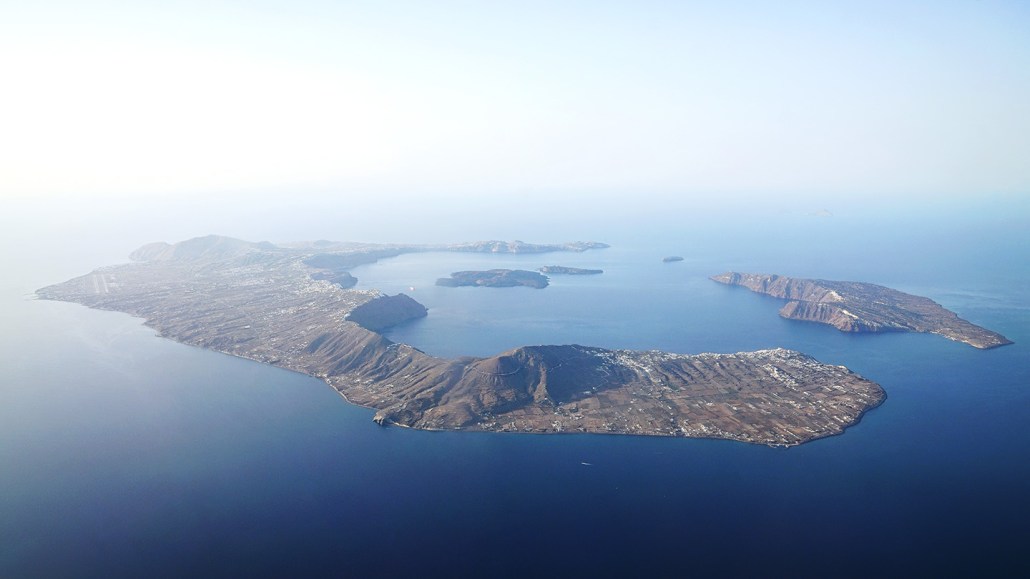
Beneath the breathtaking turquoise waters of the Aegean Sea, an unseen threat lurks just four miles from the iconic whitewashed cliffs of Santorini.
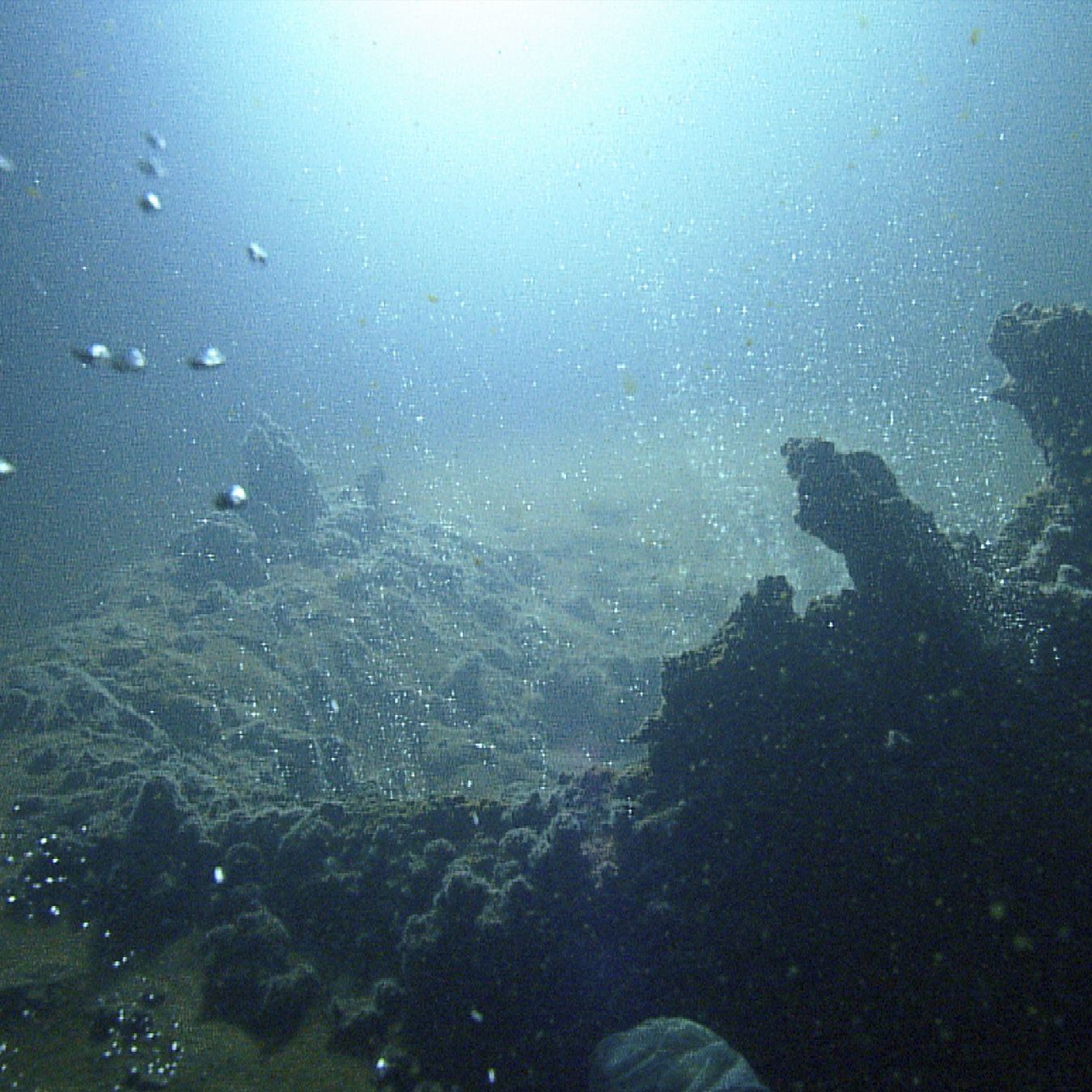
Here, a mountain of molten rock known as Columbbo is swelling in the dark, having been quietly accumulating magma for nearly 400 years.
This underwater volcano is now at the center of scientific scrutiny, as researchers draw alarming parallels between its potential eruption and some of the most violent submarine eruptions in modern history.
Recent studies have raised critical questions about the seismic activity in the region, particularly the staggering number of earthquakes recorded in early 2025.
In just five weeks, more than 28,000 tremors shook the area, leading scientists to wonder: what triggered this unprecedented level of seismic unrest?
More troubling still is the revelation that Columbbo and the nearby Santorini volcano are not as separate as once believed; they are linked by a shared river of magma deep beneath the earth’s crust.
When people think of volcanoes, they often envision dramatic eruptions with ash clouds and lava flows.
However, the most dangerous volcanoes are often hidden beneath the ocean, making them invisible to satellites and tourists alike.
Approximately 80% of all volcanic eruptions occur underwater, far from human observation.

Columbbo is one such volcano, located about 7 kilometers northeast of Santorini’s caldera, at a depth of approximately 500 meters.
It is the largest in a chain of at least 25 submarine volcanic cones that form part of the Hellenic volcanic arc.
The Hellenic arc exists due to a tectonic collision that predates human civilization.
The African tectonic plate is slowly subducting beneath the Aegean microplate, dragging oceanic crust deep into the mantle where it melts into magma.
This magma rises and pools in reservoirs beneath the seafloor, creating immense pressure that has been building for centuries.
Santorini sits directly above this geological process, along with Columbbo, and the pressure is relentless.
To understand Columbbo’s potential, one must look back at the catastrophic eruption that occurred around 1,600 BCE.
This eruption, rated a volcanic explosivity index of seven, was one of the largest in human history, ejecting an estimated 28 to 41 cubic kilometers of material.
The blast sent ash high into the stratosphere, generated mᴀssive pyroclastic flows, and triggered tsunamis that devastated coastal regions across the eastern Mediterranean, including Crete and Turkey.
The eruption’s impact on the Minoan civilization remains a topic of debate, but many researchers believe it played a significant role in destabilizing society and disrupting trade routes.

The last recorded eruption of Columbbo occurred in 1650 CE, and while it was significantly smaller than the ancient eruption, it still caused considerable damage.
Toxic gases drifted over Santorini, suffocating livestock and resulting in the deaths of 50 to 70 people.
After the eruption, the crater collapsed back beneath the waves, and for nearly four centuries, Columbbo has remained silent.
However, in volcanology, silence often indicates accumulation rather than peace.
In 2022, a groundbreaking study led by geophysicist Kayaton Crop Kevich at Imperial College London utilized a technique called full waveform inversion to create a high-resolution 3D image of Columbbo’s interior.
The findings were startling: a previously undetected magma chamber was discovered at depths of 2 to 4 kilometers below sea level, containing an estimated 1.4 cubic kilometers of mobile magma—equivalent to around 500,000 Olympic swimming pools.
This chamber had been accumulating magma at an average rate of 4 million cubic meters per year since the last eruption, which raises alarming questions about the potential for future activity.
While some scientists estimate that Columbbo could reach a critical threshold for eruption within 150 years, others argue that the chamber’s long-term behavior may vary significantly, with recurrence intervals ranging from 1,400 to over 13,000 years.
The disagreement highlights the complexities of volcanic systems, suggesting that current models may not fully capture the behavior of these subterranean reservoirs.
What researchers agree on is that Columbbo’s shallow depth of only 500 meters would likely amplify the explosivity of any future eruption.

Comparisons have been drawn to the 2022 eruption of Hunga Tonga-Hunga Ha’apai, which generated a shock wave around the globe and produced tsunamis across the Pacific.
Given that Columbbo is just 7 kilometers from a major tourist destination that attracts over three million visitors annually, the stakes are incredibly high.
In late January 2025, the situation escalated dramatically.
The seafloor began to shake, leading to one of the most intense seismic crises the region had experienced in decades.
By early March, over 28,000 earthquakes had been recorded, with hundreds exceeding magnitude 4.0.
The strongest quake struck on February 10th at magnitude 5.3, felt as far away as Athens.
The relentless shaking prompted the Greek government to declare a state of emergency, leading to widespread evacuations and the closure of schools across Santorini and neighboring islands.
As the tremors continued, scientists debated the origin of the seismic activity.
Was it purely tectonic, or was it indicative of magma movement beneath the surface?
Prominent seismologists warned that all scenarios remained possible, as the number of tremors increased and epicenters migrated closer to Columbbo.
The uncertainty fueled public concern, and residents were left wondering about the implications of the ongoing seismic unrest.
In September 2025, a pivotal study published in Nature provided critical insights into the situation.
An international team of researchers integrated various data sources, including seismological data, satellite radar, GPS measurements, and ocean bottom pressure sensors, to create a comprehensive picture of the volcanic activity.
They discovered that starting in mid-2024, the caldera floor at Santorini had begun to inflate, indicating that magma was rising into a shallow reservoir beneath the surface.
On January 27th, 2025, a magma-filled dyke began cutting northeast from a mid-crustal reservoir beneath Columbbo, triggering cascading seismicity across the region.
Ocean bottom sensors recorded significant changes, including a 32-centimeter subsidence of the crater floor and rapid deflation at Santorini’s shallower chamber.
The data revealed that the two volcanoes were interconnected, sharing a magmatic system that had previously gone unnoticed.
The implications of this discovery are profound.
Historical accounts suggest that simultaneous ash emissions occurred at both Columbbo and Santorini during the 1650 eruption, indicating that the two systems may have been coupled for centuries.
This hydraulic coupling means that what happens beneath one volcano inevitably affects the other, creating a dynamic plumbing network beneath the Aegean Sea.
However, the threat extends beyond Columbbo and Santorini.
Approximately 175 kilometers south of Naples lies the Marcello Seamount, the largest submarine volcano in the Mediterranean.
Studies have indicated that if sections of Marcello’s flanks were to collapse during an eruption, the resulting tsunamis could reach coastal areas within minutes, leaving little time for residents to react.
The lack of a robust tsunami early warning system in the Mediterranean only exacerbates the risk.
In response to the 2025 Santorini crisis, monitoring efforts across the region have intensified.
New ocean bottom seismometers and pressure sensors have been deployed inside Columbbo’s crater, providing real-time data on volcanic activity.
International collaboration among various research insтιтutions has enabled near-instantaneous tracking of magma migration.
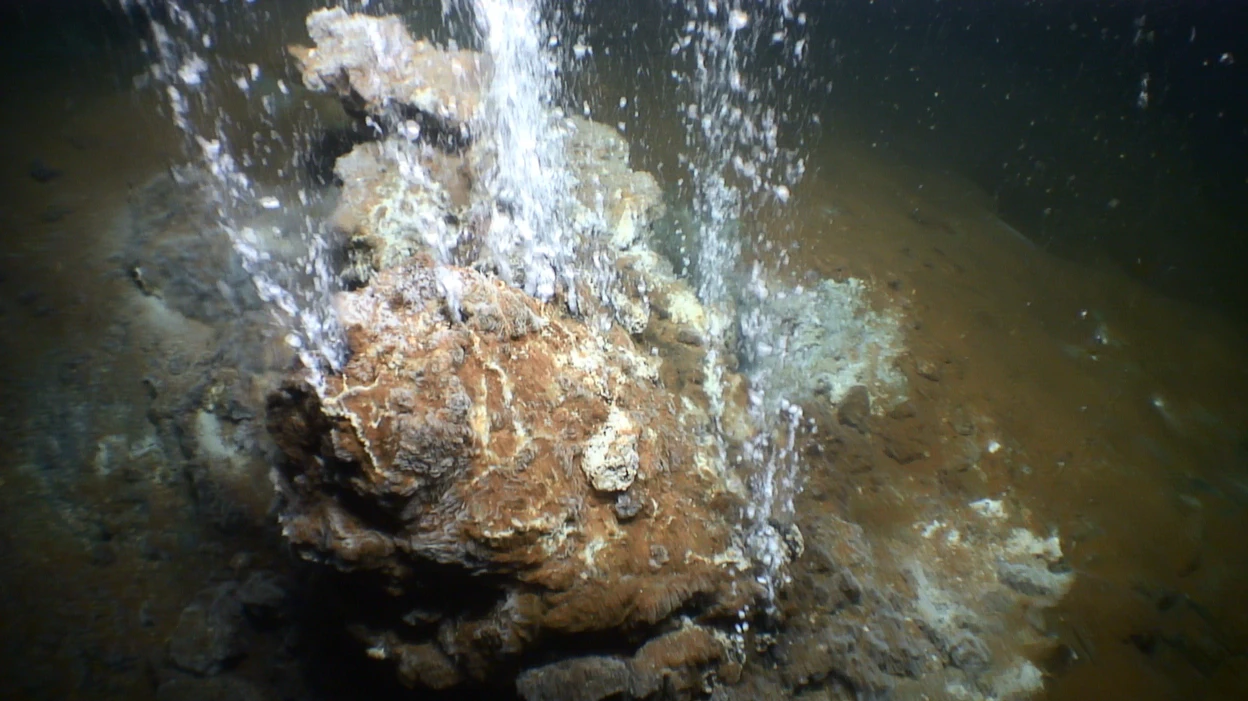
However, while sensors may observe these movements, they cannot prevent magma from rising.
The dyke intrusion at Columbbo expanded in at least 12 distinct surges, each marked by spikes in seismicity and volcanic tremor.
While the intrusion ultimately stopped short of an eruption, the ratio of dyke volume to reservoir drainage suggests that deeper, unseen sources of magma contributed to the event.
What lies beneath the reach of current instruments remains a mystery, leaving scientists with unanswered questions about the potential for future eruptions.
As of late 2025, gas emissions from Santorini remain elevated, suggesting that both volcanoes continue to be resupplied from depth.
The magma accumulation rate at Columbbo has shown no signs of slowing, and the shallow reservoirs beneath both volcanoes remain primed for potential activity.
Given the dynamics of submarine eruption mechanics, any future intrusion reaching shallower depths could trigger explosive reactions, with devastating consequences for the surrounding region.
The clock has been ticking since 1650, and it has not stopped.

Every year, 141 million cubic feet of molten rock is added to the reservoir beneath Columbbo.
Every year, the pressure builds, creating a precarious situation for the millions of tourists who flock to Santorini to admire its beauty.
They stand on cliffs formed by ancient eruptions, oblivious to the hidden dangers lurking beneath the surface.
Scientists are aware of the magma’s presence, the connection between the two volcanic systems, and the rate of accumulation.
They understand the historical precedents and the potential for explosive eruptions.
Yet, what remains uncertain is when the next intrusion will occur—and whether it will stop short of an eruption.
The Mediterranean’s hidden volcanoes do not sleep; they wait.
Beneath the paradise of Santorini, the countdown has not ended, and the potential for disaster looms ever closer.


