Governor Of California CAVES On Diesel Truck Ban After Lawsuit!
California’s governor has just caved on the most aggressive diesel truck ban ever attempted.
After lawsuits from the trucking industry and pressure from the new federal administration, the state quietly abandoned key provisions of a rule that was supposed to change the world.
This is the story of how California built a diesel truck ban that affected 1.8 million vehicles, then watched it collapse in less than two years.
In April 2023, California made history.
The Air Resources Board unanimously approved the Advanced Clean Fleets Regulation.
It was the first rule in the world to ban new diesel trucks and require a complete transition to zero-emission vehicles.
Board members celebrated, with one declaring that ten years from now, we can say California changed the world.
But the trucking industry had a different prediction.
A top executive said the mandate would fail pretty spectacularly.

They were right.
Let me explain what California tried to do and why it fell apart so completely.
The Advanced Clean Fleets rule had three main requirements.
First, manufacturers could only sell zero-emission medium and heavy-duty trucks in California starting in 2036.
No more diesel, no more gasoline—only electric or hydrogen trucks.
Second, large fleets had to start buying electric trucks immediately.
Companies with 50 or more trucks or $50 million in annual revenue had to begin phasing in zero-emission vehicles starting in 2024.
Full conversion was required by 2042.
Third, drayage trucks that move containers from ports faced the strictest timeline.
All new drayage trucks sold after January 2024 had to be zero-emission, and the entire drayage fleet had to be electric by 2035.
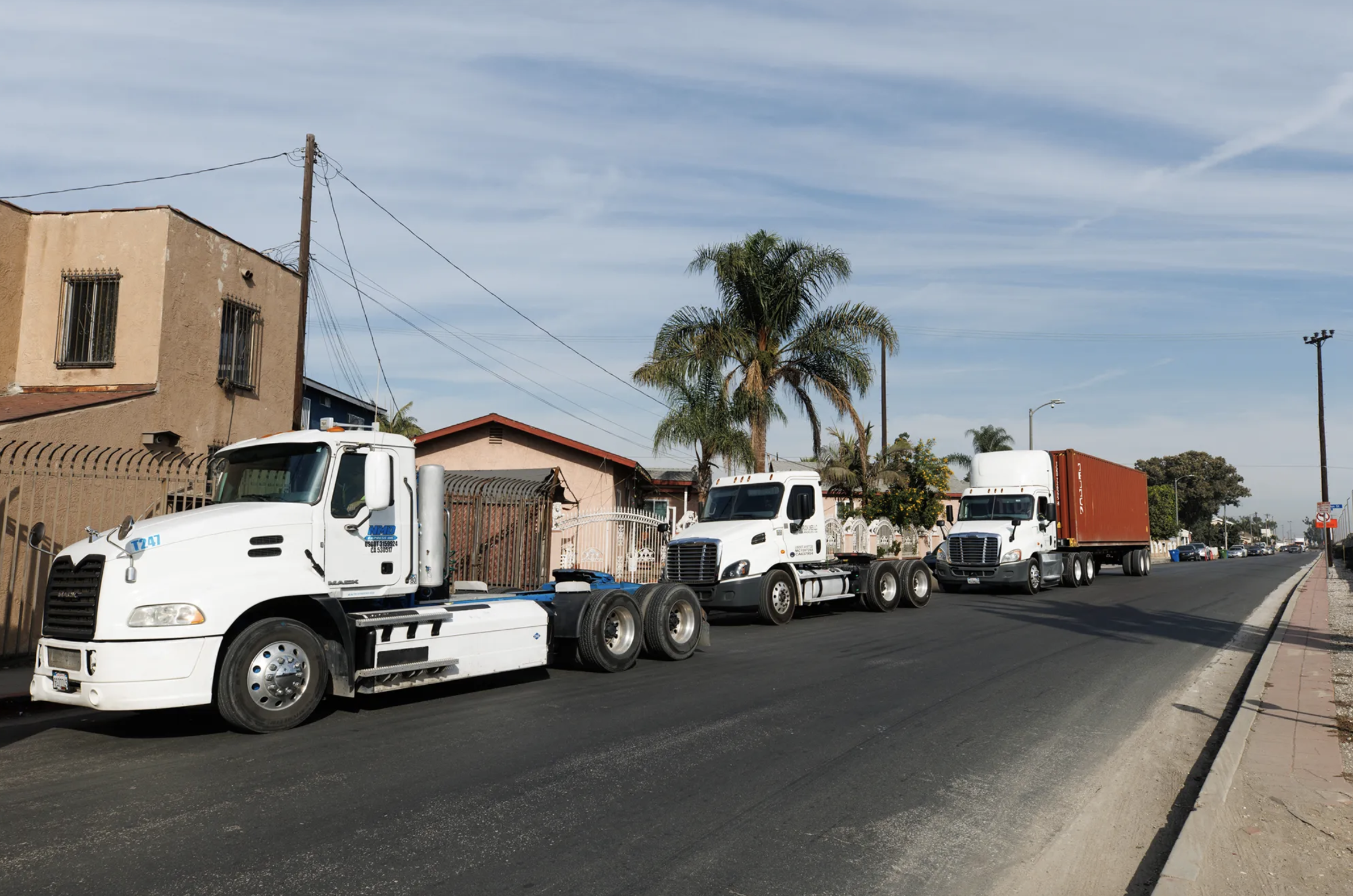
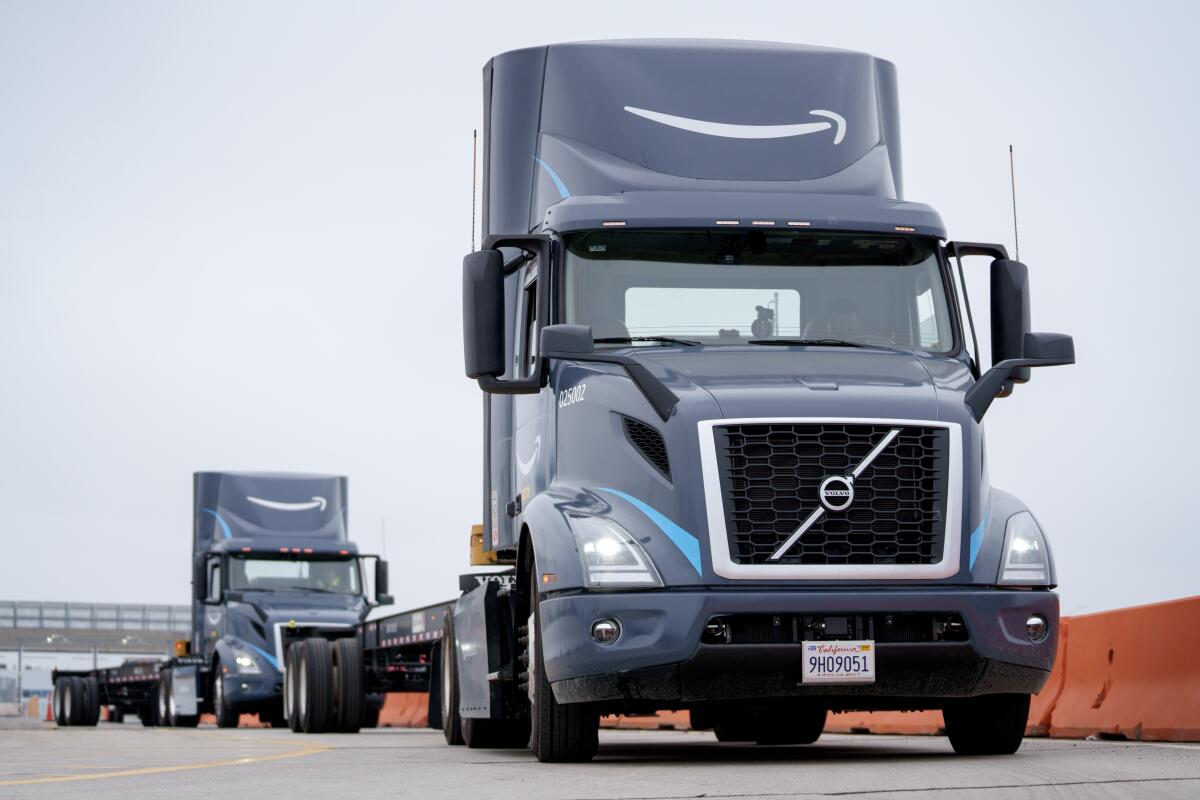
The rule affected 1.8 million trucks, including Amazon, FedEx, UPS, Pepsi, the U.S. Postal Service, garbage trucks, delivery vans, and every medium and heavy-duty truck operating in California.
But here is where the problem started.
Electric trucks cost roughly twice as much as diesel trucks.
A Tesla Semi runs about $250,000, while a comparable diesel truck costs $125,000.
For a company running 50 trucks, that means an additional $6.25 million just for the vehicles.
And that’s before you build the charging infrastructure.
California’s own estimates showed the state would need 157,000 chargers capable of powering medium and heavy-duty trucks to meet the mandate.
The California Trucking ᴀssociation did the math.
To hit that target, the state would need to install about 300 chargers per week.
That was not happening.

Utilities told regulators that grid capacity expansions take four to five years for existing substations, and building a new substation takes at least eight years.
One infrastructure company reported that 95% of the sites they scouted in California did not have enough power for their proposed charging hubs.
Then there was the weight problem.
Battery electric trucks run on lithium iron batteries that weigh approximately 8,000 pounds each.
Most electric trucks need two of them, meaning 16,000 pounds of batteries before you load a single piece of cargo.
Federal weight limits cap trucks at 80,000 pounds.
Congress added a 2,000-pound exception for electric trucks, but that still wasn’t enough.
The American Trucking ᴀssociations calculated that electric trucks sacrifice about 5,000 pounds of cargo-carrying capacity compared to diesel.
That means you need more trucks to move the same amount of freight.
The batteries also require replacement after a certain number of charging cycles, with costs around $100,000.

Electric trucks take far longer to refuel, too.
A diesel truck can travel 1,200 miles after filling the tank in 15 minutes.
Electric trucks have a range of 150 to 330 miles, and recharging takes hours, even on high-speed chargers.
One drayage company owner, Jeff Cox, put it simply: “This is both impractical and impossible to comply with.”
Local officials from city and county governments told the Air Resources Board that the ᴅᴇᴀᴅlines were impossible to meet.
Democratic state legislators from rural areas and districts with high concentrations of trucking companies sided with the industry, claiming the proposal was too aggressive and placed too many financial burdens on fleet operators.
But California pushed forward anyway.
The board voted unanimously to approve the rule, directing staff to review the status of charging infrastructure by the end of 2025, but they did not change the ᴅᴇᴀᴅlines.
The trucking industry decided to fight back.
In October 2024, two industry groups filed a federal lawsuit.
The Specialty Equipment Market ᴀssociation (SEMA) and the National Truck Equipment ᴀssociation (NTEA) sued the California Air Resources Board in federal court.
Their argument was direct: California had exceeded its consтιтutional authority.
The state was trying to ban internal combustion engines entirely.
The rule would bar trucks registered in other states from even entering California for a single moment, regardless of where the truck was purchased.
The president of SEMA bluntly stated that the overreach of California had forced the hand of the automotive industry.
He argued that the illegal means by which California sought to tilt the board by siding with just one technology was to the great detriment of the nation’s small businesses.
The lawsuit claimed that California’s Health and Safety Code prohibits the Air Resources Board from banning the sale of any vehicle category in the state.
The plaintiffs also argued that the regulations were discriminatory because they imposed additional requirements on out-of-state companies already regulated by federal law.
The lawsuit landed hard.
California knew more trouble was coming from Washington.
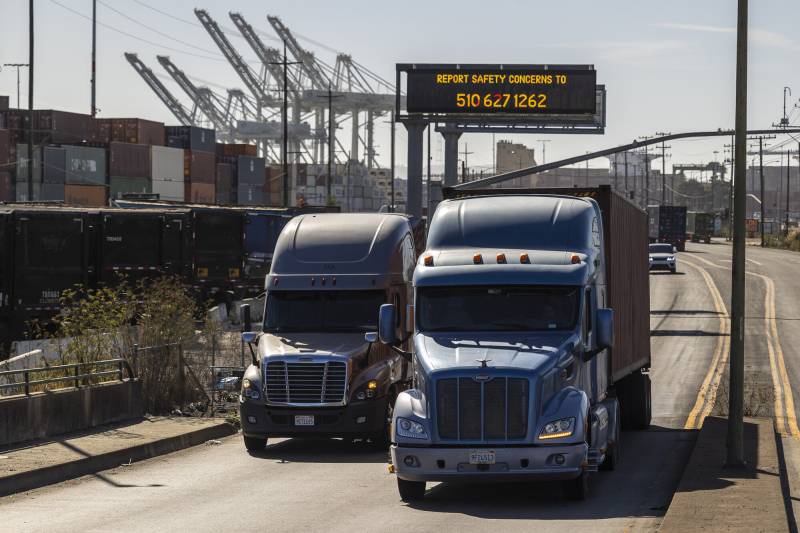
The 2024 election brought a new administration promising to end California’s vehicle mandates.
The state had been waiting for years for the previous administration to approve the EPA waiver it needed to enforce the diesel truck ban.
Under the Clean Air Act, California needs federal permission to set its own vehicle emission standards.
Without that waiver, California could not legally implement the rule.
The previous EPA ran out, and in January 2025, right before the new president took office, California did something extraordinary.
The state quietly withdrew its own waiver request.
The diesel truck ban that was supposed to change the world was pulled back by the people who wrote it.
Air Resources Board Chair Leanne Randolph explained the decision, stating that once they knew the previous EPA could not complete the waiver in time, they realized they needed to deploy an offensive strategy.
The new administration had not indicated support for their clean air strategy, so they thought it would be better to maintain control.
In other words, California anticipated that the new president would reject the waiver.
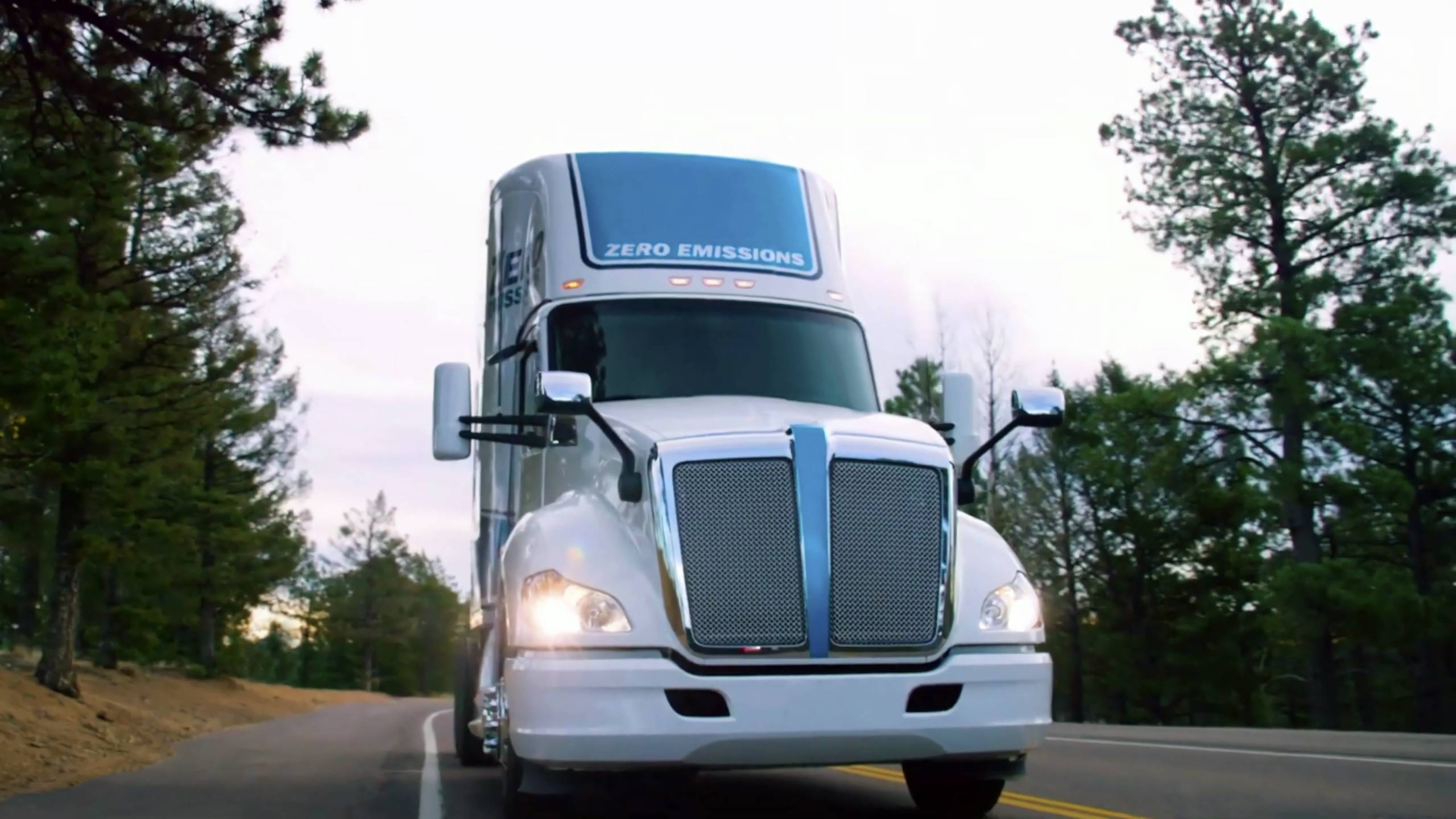
Rather than have him kill it publicly, the state withdrew it themselves, hoping to try again later.
But pulling back the waiver was not enough to stop the collapse.
In May 2025, the courts accepted an agreement in the NTEA and SEMA lawsuit.
California agreed to repeal the high-priority fleet and drayage fleet requirements.
These were the core enforcement mechanisms of the Advanced Clean Fleets rule.
They were the parts that actually forced companies to buy electric trucks.
Under the settlement, CARB had to present a proposal to repeal those provisions by October 31, 2025.
The state also agreed not to take any enforcement action while the repeal process moved forward.
NTEA’s president called it a significant win for the entire commercial vehicle industry.
He said their concern was never about the goal of cleaner vehicles; it was about how to realistically get there.
SEMA declared it a resounding victory against California’s effort to ban internal combustion engines and against the state’s plans to ban new diesel truck sales by 2036.
The trucking industry had won.
California was backing down, but the collapse was not finished yet.
On June 12, 2025, the president signed three Congressional Review Act resolutions.
These were not ordinary executive orders.
The Congressional Review Act allows Congress to reject federal rules and prohibits the agency from issuing substantially similar rules in the future.
The first resolution revoked California’s waiver for the Advanced Clean Trucks rule, which required manufacturers to sell increasing percentages of zero-emission trucks.
The second revoked the waiver for California’s gasoline car ban.
The third revoked the waiver for California’s low nitrogen oxide rule on heavy-duty trucks.
The president’s statement was direct: California’s advanced clean cars, advanced clean trucks, and omnibus low nitrogen oxide programs are fully and expressly preempted by the Clean Air Act and cannot be implemented.
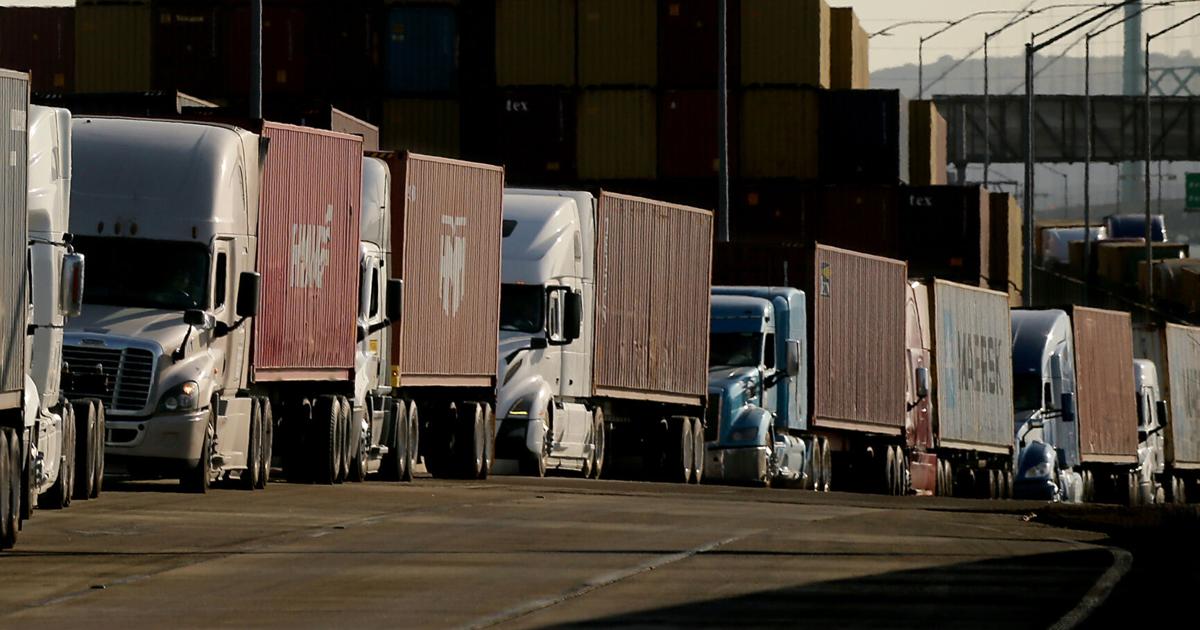
The auto industry celebrated.
John Bazella of the Alliance for Automotive Innovation stated, “Everyone agreed these electric vehicle sales mandates were never achievable and wildly unrealistic.”
The president deserves credit for identifying this problem and doing something about it.
The American Trucking ᴀssociations called it a tremendous victory.
Common sense prevailed.
CARB Chair Leanne Randolph labeled it unconsтιтutional, illegal, and foolish.
Within hours, California sued.
The governor called it an all-out ᴀssault on California.
The Attorney General filed suit, arguing that the Congressional Review Act cannot legally be used to revoke EPA waivers because waivers are not federal rules.
The Government Accountability Office and the Senate Parliamentarian had both said the same thing, but the president signed the resolutions anyway.

Unless courts intervene, California’s truck rules are blocked.
And here is where things stand today: January 2026.
The lawsuits are ongoing.
California is fighting in court to restore its authority.
But while the legal battle continues, the original Advanced Clean Fleets rule is effectively ᴅᴇᴀᴅ.
The drayage requirements are being repealed, the high-priority fleet mandates are gone, and the 2036 diesel sales ban cannot be enforced.
The 2042 fleet conversion ᴅᴇᴀᴅline is meaningless without enforcement mechanisms.
Seventeen states had adopted or planned to adopt California’s truck regulations: Colorado, Connecticut, Delaware, Maine, Maryland, Mᴀssachusetts, Minnesota, Nevada, New Jersey, New Mexico, New York, Oregon, Pennsylvania, Rhode Island, Vermont, Virginia, and Washington.
Most of those states have now delayed implementation to 2027 or later; some are reconsidering entirely.
The patchwork of state regulations the trucking industry feared has become a patchwork of uncertainty instead.
California is not giving up entirely.
In December 2025, the Air Resources Board began the process of writing new emissions rules for trucks.
They are trying to craft regulations that might survive without federal approval or that could be implemented if courts rule in their favor.
But the scale of the original mandate is gone.
The world’s first diesel truck ban lasted less than two years from approval to collapse.
So what does this mean for truckers and consumers?
Right now, diesel trucks can be sold in California without the zero-emission vehicle requirements that were supposed to kick in.
Manufacturers do not have to meet the escalating zero-emission vehicle sales percentages.
Fleets do not have to convert on the aggressive timelines the Air Resources Board demanded.
The trucking industry won this round.
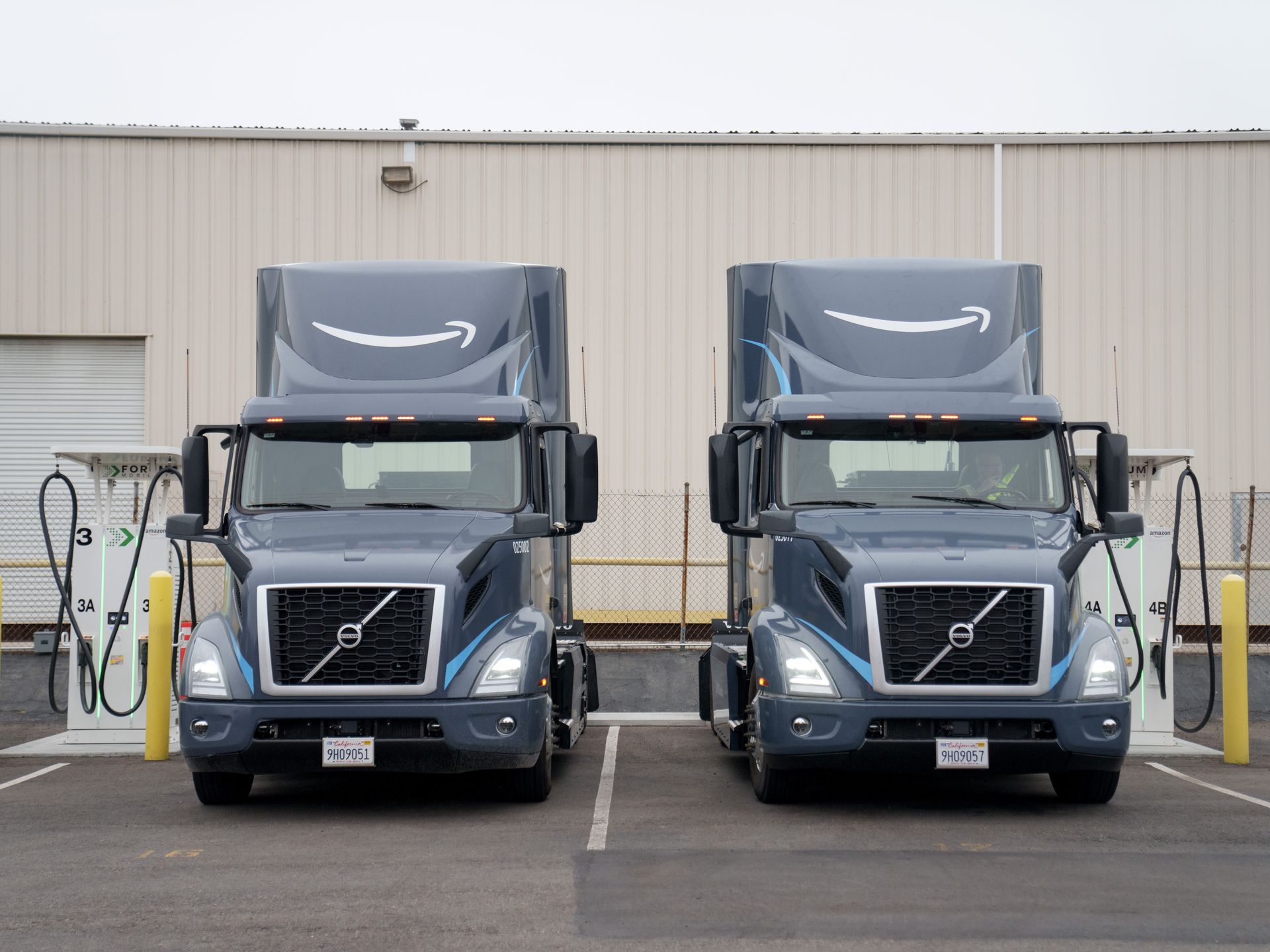
Small fleet operators who could not afford $250,000 electric trucks will not be forced out of business—at least not yet.
Companies that rely on routes through remote areas without charging infrastructure can keep running their diesel trucks.
But California is still fighting in court.
The state is still writing new rules.
And the underlying question remains unresolved: can any state force an entire industry to transition to technology that costs twice as much, carries less freight, takes longer to refuel, and requires infrastructure that does not exist?
The trucking industry’s answer was clear: they said the mandate would fail spectacularly.
They said the ᴅᴇᴀᴅlines were impossible.
They said the technology was not ready.
And in 2025, California effectively admitted they were right.
The governor who championed the diesel truck ban watched it collapse under the weight of lawsuits and federal intervention.

The Air Resources Board that unanimously approved the rule is now being forced to repeal its key provisions.
The regulation that was supposed to prove California could change the world instead proved that even the most ambitious mandates cannot overcome basic economics.
Electric trucks will eventually become compeтιтive.
Battery technology will improve.
Charging infrastructure will expand.
But forcing that transition on a timeline that ignores reality does not accelerate progress; it just creates chaos.
California built the most aggressive diesel truck ban ever attempted.
Then the trucking industry sued, the federal government intervened, and the whole thing collapsed.
The mandate that affected 1.8 million trucks is now unenforceable.
The rule that was supposed to ban diesel sales by 2036 cannot be implemented.
The regulation that one board member said would let California change the world changed nothing except the lawyers’ billable hours.


