Dubai, a city synonymous with luxury and innovation, is home to some of the world’s most iconic skyscrapers.
However, behind this glittering façade lies a perplexing reality: billions of dollars’ worth of high-end towers remain eerily vacant.
In this article, we delve into the phenomenon of Dubai’s ghost towers, exploring the reasons behind their emptiness and what it means for the future of the city’s real estate market.
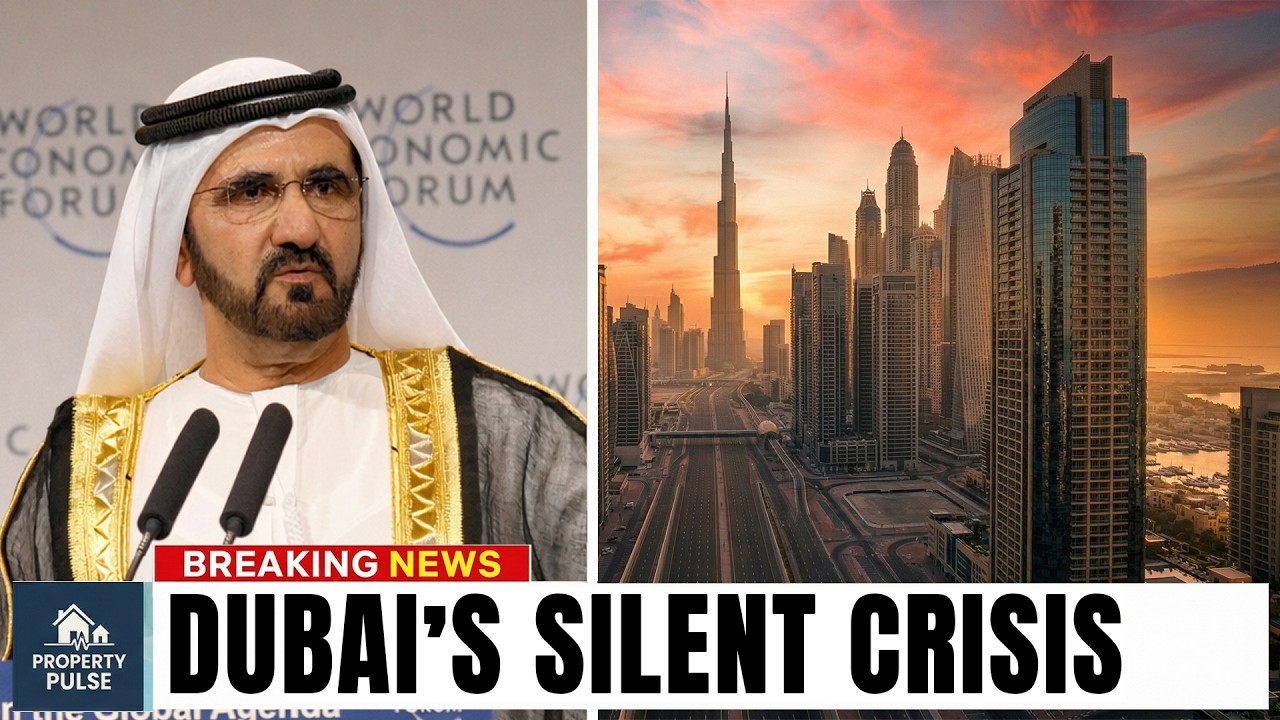
The Allure of Dubai’s Skyline
Dubai’s skyline is a testament to human ambition and architectural prowess.
From the towering Burj Khalifa to the luxurious Burj Al Arab, the city has become a playground for the wealthy and a beacon of modernity.
Yet, as we gaze upon these magnificent structures, a troubling question arises: why are so many of these luxury skyscrapers sitting empty?
A Glimpse into the Ghost Towers
The term “ghost towers” refers to high-end residential buildings that are either partially or completely unoccupied.
These structures, often boasting breathtaking views and state-of-the-art amenities, have become a symbol of the excesses of Dubai’s real estate market.
But what drives this phenomenon?
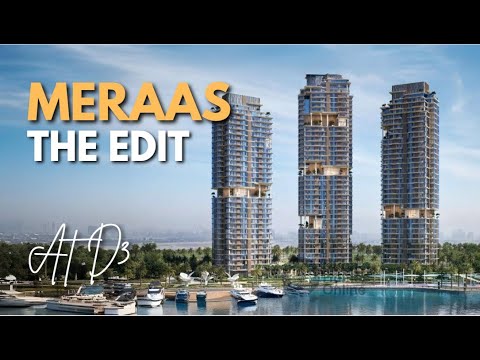
Speculative Real Estate Investing
One of the primary factors contributing to the rise of ghost towers is speculative real estate investing.
In the years leading up to the global financial crisis, Dubai experienced a construction boom fueled by foreign investment.
Investors from around the world flocked to the city, purchasing properties with the hope of capitalizing on the rapidly growing market.
However, as the market cooled, many of these investors found themselves with properties that were never intended to be occupied.
Instead, they served as investments, left vacant while their owners waited for property values to rise.
Oversupply vs. Real Demand
Another critical aspect of the ghost tower phenomenon is the imbalance between supply and demand.
During the construction boom, developers raced to build new projects, often without a clear understanding of the actual demand for luxury housing.
As a result, the market became saturated with high-end properties, many of which remain unoccupied today.
While there is still a demand for luxury living in Dubai, the sheer volume of available units far exceeds the number of potential residents.

Global Market Shifts
The global economic landscape has also played a significant role in the fate of Dubai’s ghost towers.
As economic conditions fluctuate, so too does the interest of foreign investors.
Changes in global markets can impact the attractiveness of Dubai as a destination for investment, leading to decreased demand for luxury properties.
Moreover, geopolitical tensions and economic uncertainties in other regions have made potential buyers more cautious about investing in overseas real estate.
The Impact on Dubai’s Future Property Market
The existence of ghost towers poses several challenges for Dubai’s future property market.
As these luxury buildings remain empty, they can contribute to a negative perception of the city’s real estate sector.
Potential investors may view the prevalence of unoccupied units as a sign of an oversaturated market, deterring them from making new investments.
Furthermore, the presence of ghost towers can lead to decreased property values in surrounding areas.
When high-end buildings sit vacant, it can create a sense of desolation, impacting the overall desirability of the neighborhood.

A Complex Story
The story behind Dubai’s ghost towers is far more complex than mere headlines suggest.
It is a tale of ambition, speculation, and the unpredictable nature of real estate markets.
As we navigate this intricate landscape, it is essential to consider the various factors at play, from global economic trends to local market dynamics.
Conclusion: What Lies Ahead?
As Dubai continues to evolve, the fate of its ghost towers remains uncertain.
Will these luxury skyscrapers eventually find residents, or will they stand as monuments to a bygone era of excess?
Only time will tell.
However, one thing is clear: the future of Dubai’s property market will depend on its ability to adapt to changing conditions and find a balance between supply and demand.
In the meantime, the allure of Dubai’s skyline remains as captivating as ever, even as it hides the haunting reality of its ghost towers.
The city must navigate these challenges carefully, ensuring that its reputation as a global hub for luxury living is not overshadowed by the shadows of its empty buildings.
As we look to the future, the story of Dubai’s ghost towers serves as a reminder of the complexities inherent in the world of real estate, where dreams of grandeur can sometimes lead to unexpected outcomes.


