Unveiling the Hidden Lifeline: Las Vegas’ Bold Strategy Beneath Lake Mead
Las Vegas, often celebrated as the entertainment capital of the world, is now at the forefront of a critical battle: securing water in an increasingly arid environment.
The city’s lifeline, Lake Mead, has been shrinking at an alarming rate due to prolonged drought and overuse.
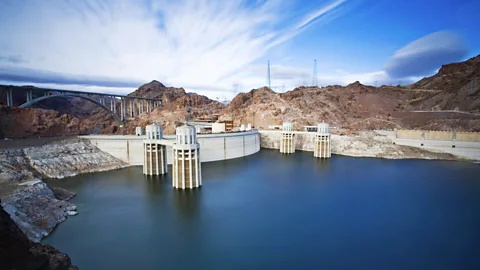
This reservoir, formed by the Hoover Dam on the Colorado River, supplies water to millions, including Las Vegas.
However, with water levels dropping to historic lows, the city has had to innovate urgently to prevent a crisis.
The Water Crisis in the Desert
Lake Mead’s water levels have plummeted over the past two decades, hitting record lows that threaten not only Las Vegas but several other southwestern states.
The Colorado River, which feeds Lake Mead, is over-allocated, meaning more water rights have been promised than the river can sustainably provide.
Climate change exacerbates the situation by reducing snowpack in the Rockies, the river’s primary source, and increasing evaporation rates.
Las Vegas depends heavily on Lake Mead for about 90% of its water supply.
As the lake’s surface drops, the city faces the “bathtub ring” phenomenon—visible mineral deposits marking the lake’s previous higher water levels.
The diminishing water supply poses risks to the city’s growth, economy, and daily life.
Innovation Beneath the Surface
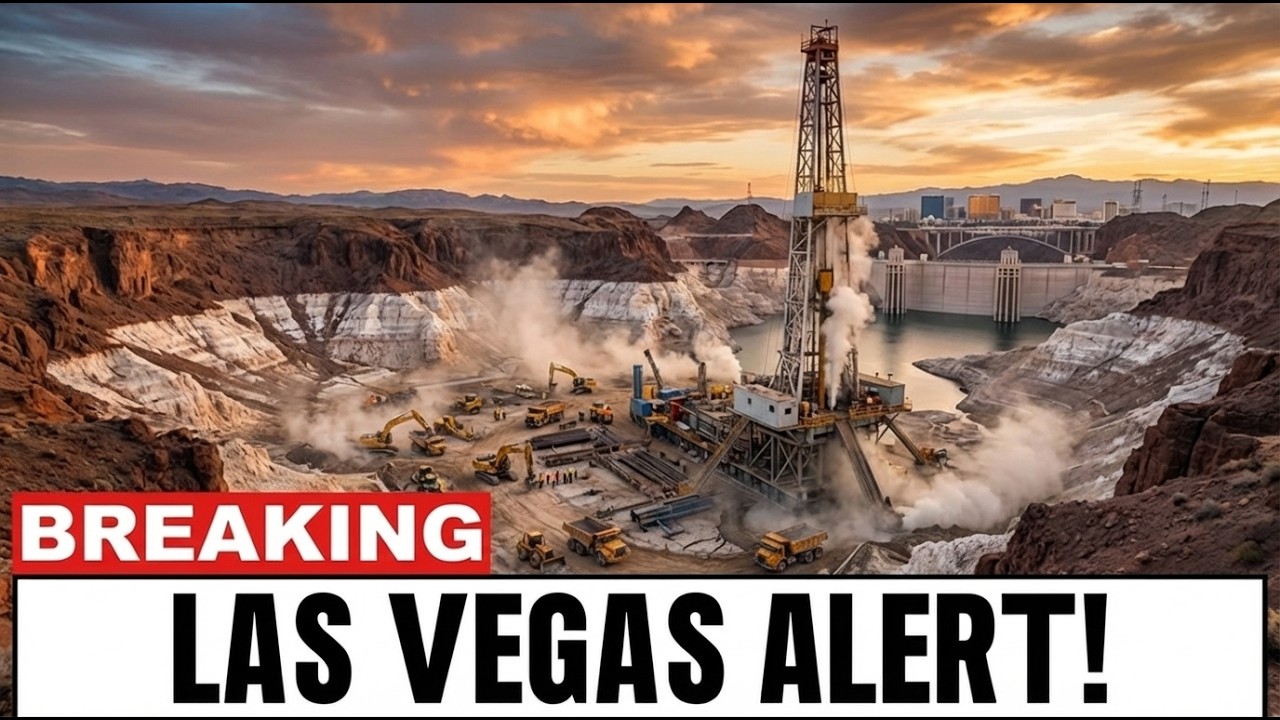
To combat this, Las Vegas has embarked on a bold project: drilling deep beneath Lake Mead to tap into the water that remains below the surface but inaccessible through conventional means.
This strategy involves constructing new intake tunnels and pumping systems that reach lower than the existing water intakes, which are becoming ineffective as the lake recedes.
This subterranean approach allows Las Vegas to continue drawing water even as the lake’s visible levels fall.
The new infrastructure is designed to access water that is cooler and cleaner, reducing treatment costs and improving efficiency.
It’s a remarkable engineering feat that reflects the city’s determination to adapt.
Environmental and Economic Implications
While drilling under Lake Mead is a technical marvel, it also raises important environmental questions.
Extracting water from lower depths must be managed carefully to avoid disturbing aquatic ecosystems and to ensure the lake’s long-term sustainability.
Las Vegas has committed to monitoring and mitigating any potential impacts.
Economically, the project is a significant investment but one that safeguards the city’s future.
Water scarcity could cripple tourism, real estate, and other vital sectors.
By securing a reliable water source, Las Vegas is protecting its economic engine and the livelihoods of millions.
A Model for Other Cities
Las Vegas’ approach offers lessons for other water-stressed regions worldwide.
As climate change intensifies, urban centers must innovate to secure essential resources.
The city’s willingness to invest in advanced infrastructure and rethink traditional water management demonstrates resilience and forward-thinking leadership.
Looking Ahead
Despite these efforts, the challenges remain daunting.
Conservation measures, regional cooperation, and sustainable water policies are equally crucial.
Las Vegas’ drilling project buys time and provides a buffer, but long-term solutions depend on broader environmental stewardship and policy changes.
The story of Las Vegas drilling under Lake Mead is more than a tale of survival; it’s a testament to human ingenuity confronting one of the 21st century’s most pressing challenges.
It underscores the delicate balance between urban growth, resource management, and environmental preservation in an era of uncertainty.


