This Wasn’t a Robbery — Texas Police Walked Into a Cartel-Style Ambush
The blistering afternoon heat pressed down on Mission, Texas, as patrol officers responded to what initially sounded like a high-risk but familiar call: a kidnapping in progress connected to a local bank.
In border towns, officers are trained to expect volatility, yet nothing in the early dispatch suggested what was about to unfold.
As the first cruisers arrived at the bank, their attention was drawn to a white luxury sedan idling near the entrance.

It looked ordinary, almost out of place in its calm stillness.
But as officers moved closer, routine turned into chaos.
Instead of a suspect complying with commands, gunfire erupted from inside the vehicle.
Bullets struck police units and nearby structures, sending civilians scrambling for cover.
This was not a robbery gone wrong.
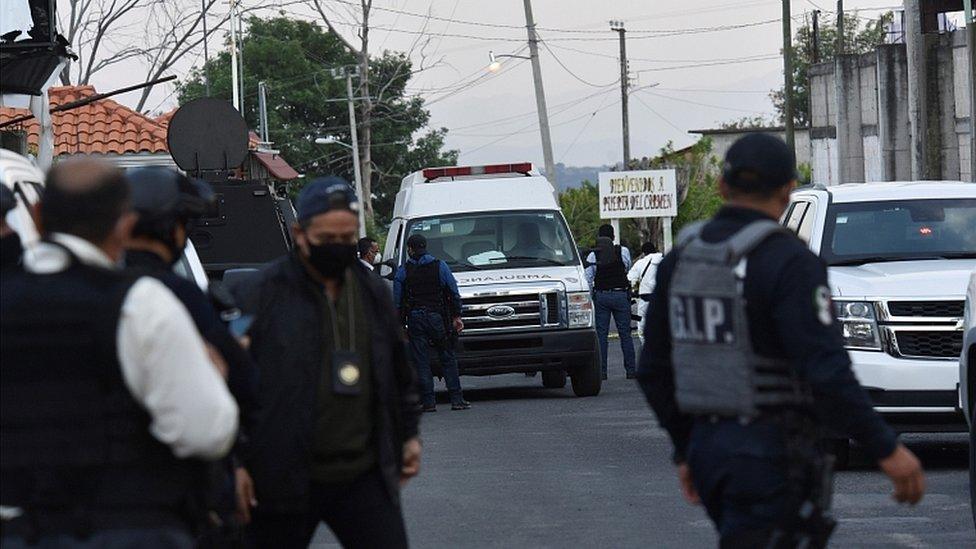
It was an ambush.
Investigators later determined that the violence at the bank was the final act of a carefully orchestrated extortion plot.
The victim, a local businessman, had been targeted over the previous day by individuals claiming to represent a criminal faction known as Los Trovinos, believed to have cartel connections.
What began as a seemingly normal dinner with an ᴀssociate quickly turned predatory.
The victim was lured to a park, where a firearm was produced and a chilling message delivered: there was allegedly a $150,000 hit on his life across the border.

The suspects offered a way out—pay $100,000, or face death.
The businessman was forced into a vehicle and driven through multiple cities, a deliberate tactic designed to disorient him and avoid detection.
Along the way, he was beaten, threatened, and subjected to psychological warfare.
One of the suspects, Joseé Israel Garcia II, allegedly joined later, reinforcing the intimidation by claiming personal familiarity and access to cross-border contacts.
This was extortion with a cartel signature—control through fear, mobility, and perceived inevitability.

The suspects first attempted to force the victim to transfer money electronically and purchase cryptocurrency, a method often used to obscure financial trails.
When those attempts failed, frustration escalated.
That failure pushed the operation into its most dangerous phase.
Believing they were untouchable, the suspects decided to take the victim directly to the bank, convinced they could extract cash in broad daylight without resistance.
It was a fatal miscalculation.

Inside the bank, the victim made a split-second decision that likely saved his life.
He alerted a teller, who immediately locked the doors and secured him inside.
That single act stripped the suspects of their most powerful leverage: their human shield.
As police units surrounded the area, officers attempted to contain the situation and prevent a high-speed escape that could endanger the public.
The suspects, realizing the trap had closed, did not surrender.

Instead, the driver allegedly opened fire.
Multiple police vehicles were hit as officers dove for cover behind engine blocks.
What followed was a brief but violent exchange that transformed the parking lot into a battlefield.
Officers returned fire, suppressing the threat while ensuring the victim remained protected inside the bank.
The primary suspect was struck by police gunfire and neutralized.
He was taken into custody and transported for medical treatment.
One officer sustained non-life-threatening injuries—a sobering reminder of how close the encounter came to a far worse outcome.
As the smoke cleared, investigators uncovered details that stunned even seasoned officers.
The primary suspect was not new to this kind of violence.
Records revealed a prior conviction for a nearly identical kidnapping—one that involved torture, weapons, and a victim left for ᴅᴇᴀᴅ across the border.

This was not random crime.
It was repeтιтion.
Joseé Israel Garcia II was charged with aggravated kidnapping and aggravated robbery, with bail set at $1 million.
Authorities believe the charges, combined with the attempted murder of a police officer, could carry life sentences.
Law enforcement officials now believe this case is part of a wider pattern of cross-border extortion creeping into American communities.
The suspects allegedly operated with confidence, using fear, mobility, and reputation as weapons.
Their actions suggest that cartel-style tactics are no longer confined to distant headlines—they are testing the boundaries closer to home.
For the victim, survival came at a cost.
Though physically injured and deeply traumatized, his quick thinking prevented what could have been a mᴀssacre.
For police, the incident reinforced a grim reality: a routine call can instantly become a ᴅᴇᴀᴅly ambush.
The white luxury sedan is now evidence, the suspects are behind bars, and the streets of Mission are quiet again—for now.
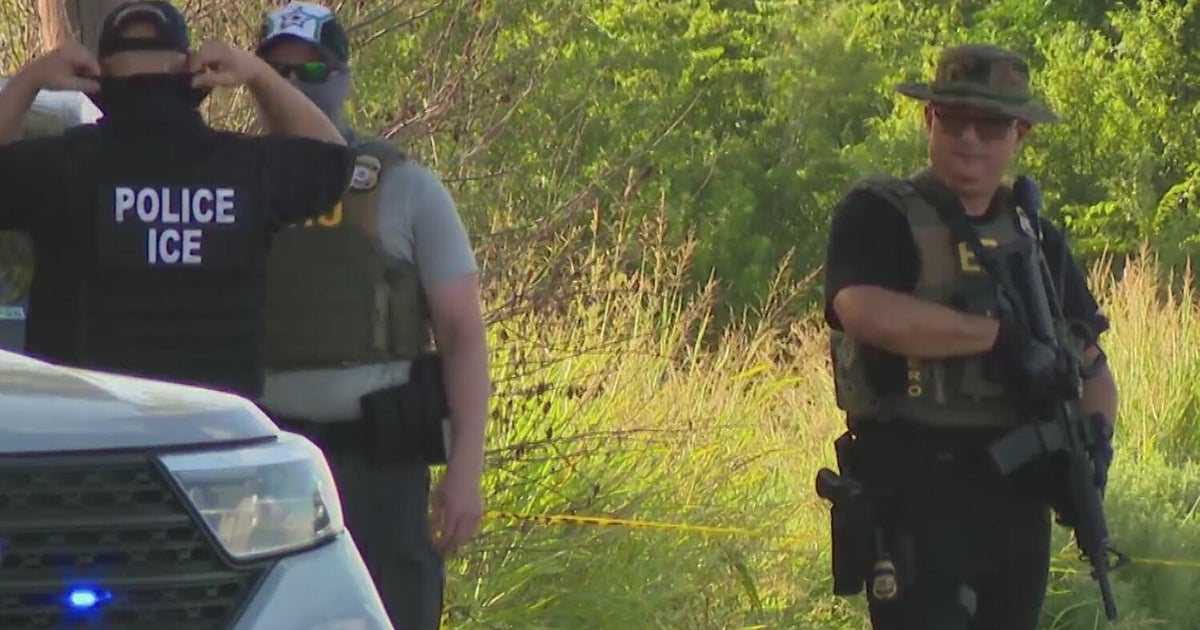
But the message from this incident is unmistakable.
Organized criminal networks are probing for weakness, relying on intimidation and the belief that law enforcement will hesitate.
This time, they were wrong.
The law fought back—and won.


