‘Power Struggle in the Royal Family’: William and Catherine Break Ranks as Epstein Scandal Deepens
The British monarchy is facing one of its most volatile moments in modern history, and the fault lines are now visible at the very top.
Just hours before Prince William’s arrival in Saudi Arabia on an overseas tour, Kensington Palace released a brief but explosive statement that immediately set tongues wagging across Westminster, the media, and the public alike.
A spokesman confirmed that “the Prince and Princess of Wales have been deeply concerned by the continuing revelations. Their thoughts remain focused on the victims.”
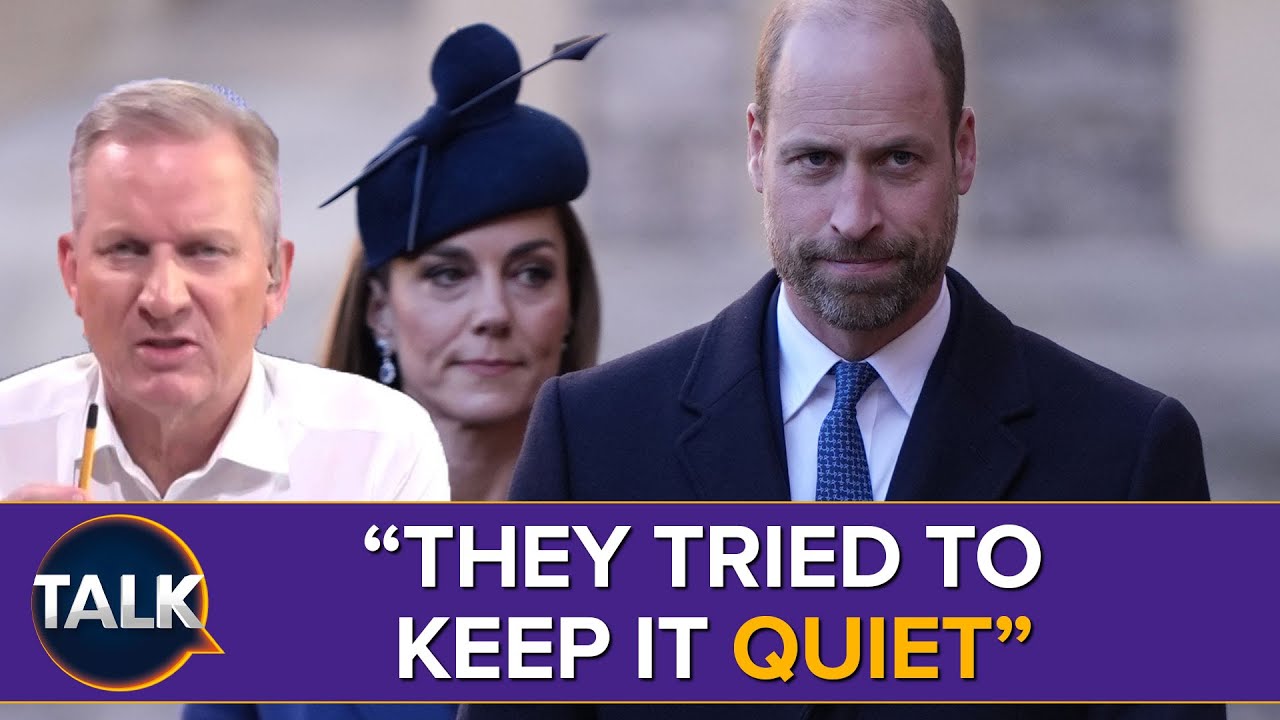
On the surface, it was a carefully worded expression of sympathy.
In reality, it was widely interpreted as something far more significant: a deliberate break from King Charles’s approach — and a signal that the heir to the throne may be positioning himself differently from his father.
For royal watchers, the timing alone spoke volumes.
William and Catherine’s intervention came as renewed allegations about Prince Andrew’s relationship with Jeffrey Epstein dominated headlines once again.
Reports suggesting Andrew may have shared confidential government information with Epstein during his time as a trade envoy have intensified public outrage and raised serious national security concerns.
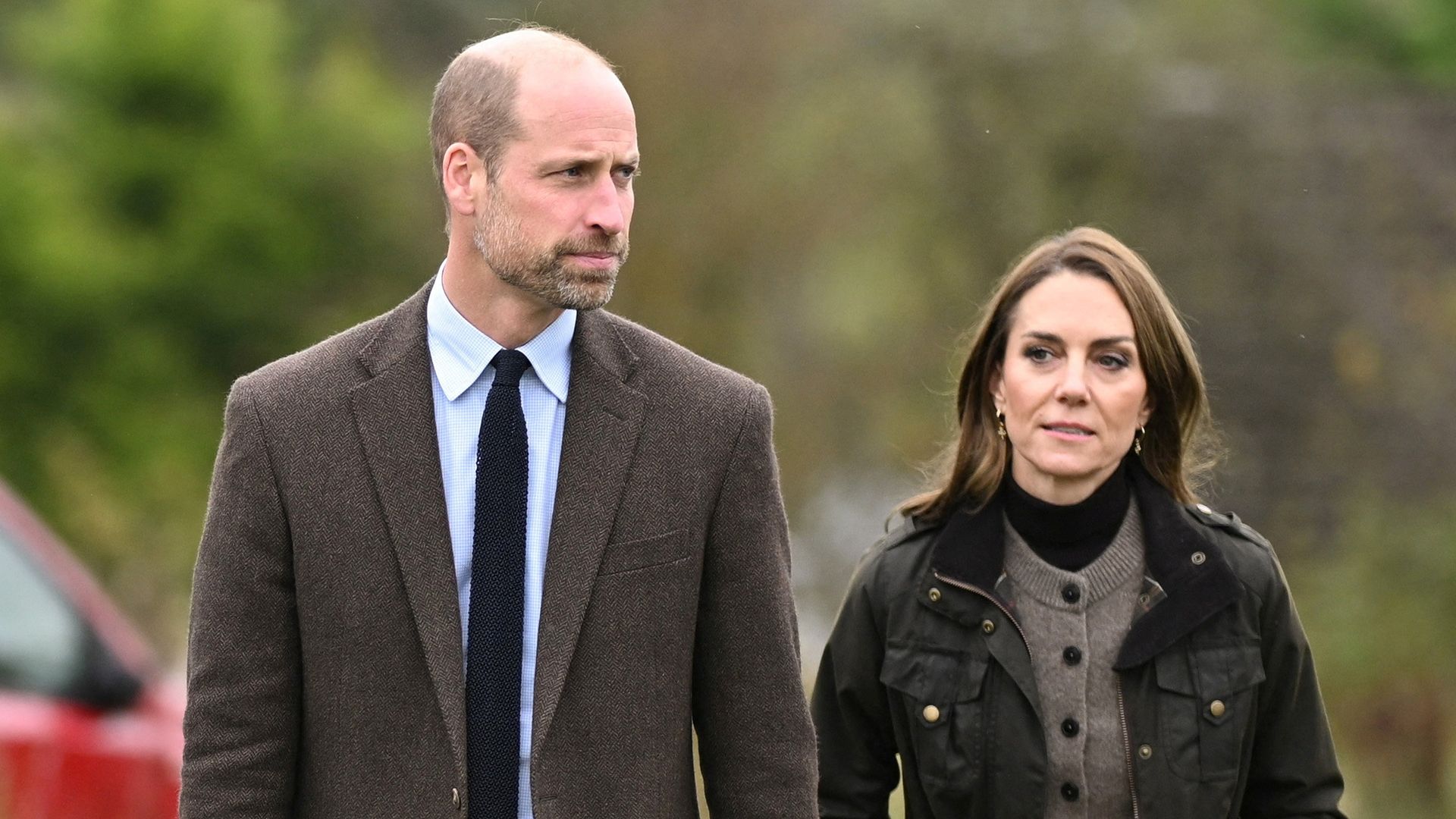
According to royal author Andrew Lownie, this moment exposes a long-simmering internal conflict.
He argues that a power struggle has been quietly unfolding between King Charles, who has remained largely restrained and cautious, and Prince William, who is believed to favor a more transparent, modernized monarchy.
While Charles has emphasized measured responses and insтιтutional protection, William appears increasingly willing to acknowledge public anger — particularly where victims are concerned.
Critics have not minced their words.
Many argue that expressions of concern are no longer sufficient.
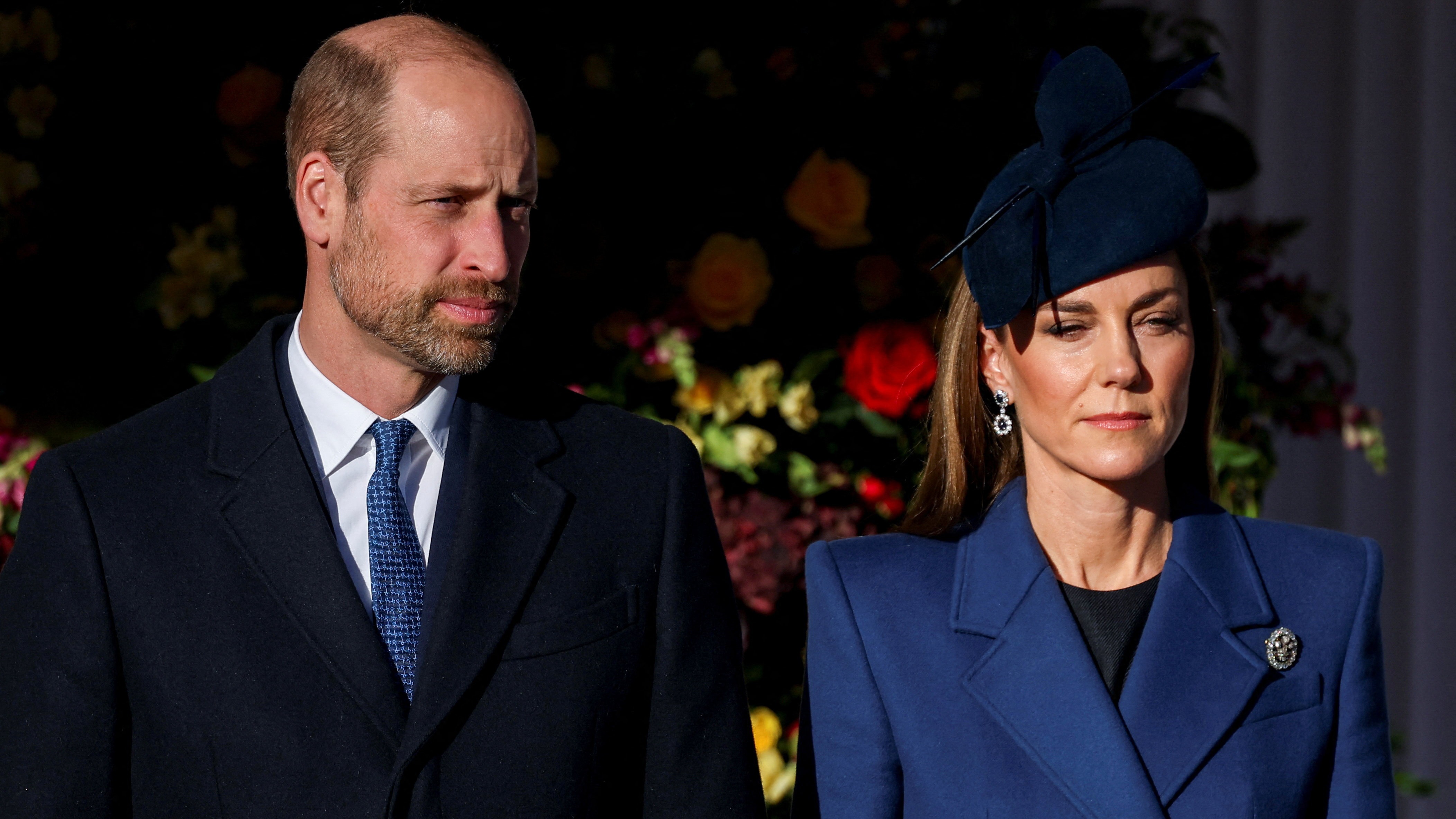
The public, they say, wants answers: what did the Palace know, when did it know it, and why was Andrew allowed to remain protected for so long? Lownie claims that for more than a decade, information about Andrew’s behavior circulated within royal and government circles, with senior officials, intelligence agencies, and palace security all feeding reports upward through official channels.
If those claims are accurate, the implications are staggering.
It would suggest not just personal failure, but insтιтutional complicity — a perception that threatens public trust in the monarchy at its core.
Allegations that stories were suppressed through legal pressure, access restrictions, and behind-the-scenes intimidation only deepen the sense that this was less a lapse and more a deliberate cover-up.
The Epstein scandal has also reignited debate over accountability.

While the sovereign cannot be subjected to legal proceedings, commentators insist that no individual — royal or otherwise — should be shielded from scrutiny if they are material witnesses to potential crimes.
Calls are growing for full disclosure of Andrew’s trade envoy records between 2001 and 2011, documents that journalists and authors have reportedly been denied access to for years.
If former politicians face police investigation for sharing sensitive information with Epstein, critics ask, why should Andrew be treated differently? The perception of a double standard is fueling public frustration and driving a broader reckoning about royal privilege.
What makes this moment particularly dangerous for the monarchy is the growing sense that William represents an alternative path.
Public reaction to the Prince and Princess of Wales’ statement has been sharply divided.
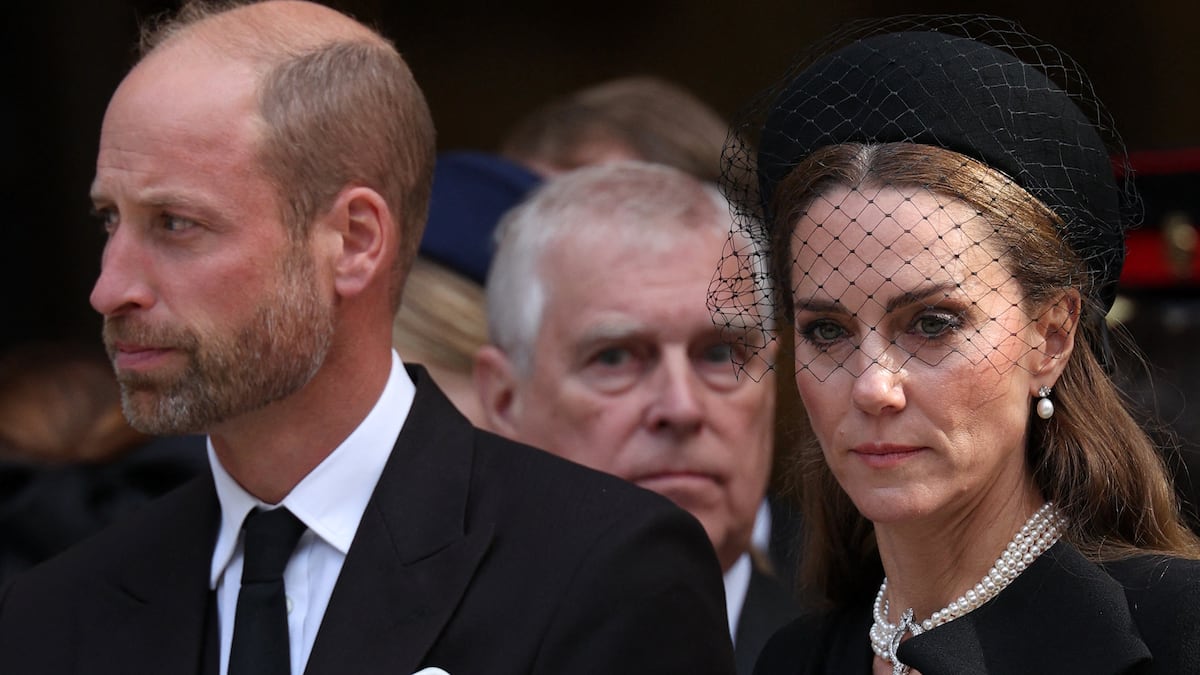
Some see it as overdue moral clarity — a necessary acknowledgment of victims that the Palace has failed to prioritize.
Others view it as an implicit rebuke of the King, a sign that William is stepping into a leadership vacuum created by Charles’s caution.
Phone-ins and comment sections reveal a striking shift in tone.
Longtime royalists are openly questioning whether Charles can steer the insтιтution through this storm.
Some even argue that abdication in favor of William might be the only way to reset public trust and usher in a cleaner, more accountable monarchy.

The danger for Charles is that silence, once a strategy of dignity, now risks looking like evasion.
As more Epstein-related material emerges, every unanswered question compounds the damage.
Meanwhile, William’s image — younger, decisive, and visibly concerned — stands in stark contrast.
This is no longer just about Prince Andrew.
It is about credibility, transparency, and survival.

The monarchy is at a crossroads: confront its past honestly or risk being defined by it forever.
Whether William’s intervention marks the beginning of a generational shift or simply deepens internal tensions remains to be seen.
One thing is certain — the era of quiet containment is over.
The public is watching, the pressure is mounting, and the Crown’s next move may determine whether the monarchy emerges renewed… or irreparably weakened.


