“From Prison Cells to Quiet Homes: 7 Mysterious Deaths Linked to Epstein’s Inner Circle”
In the years since the arrest and death of Jeffrey Epstein, online speculation has surged around individuals whose deaths were, in various ways, linked—directly or indirectly—to his orbit.
Social media posts and viral videos often frame these cases as a string of “suspicious deaths.
” But separating documented fact from rumor is essential, especially in a case already saturated with conspiracy theories.
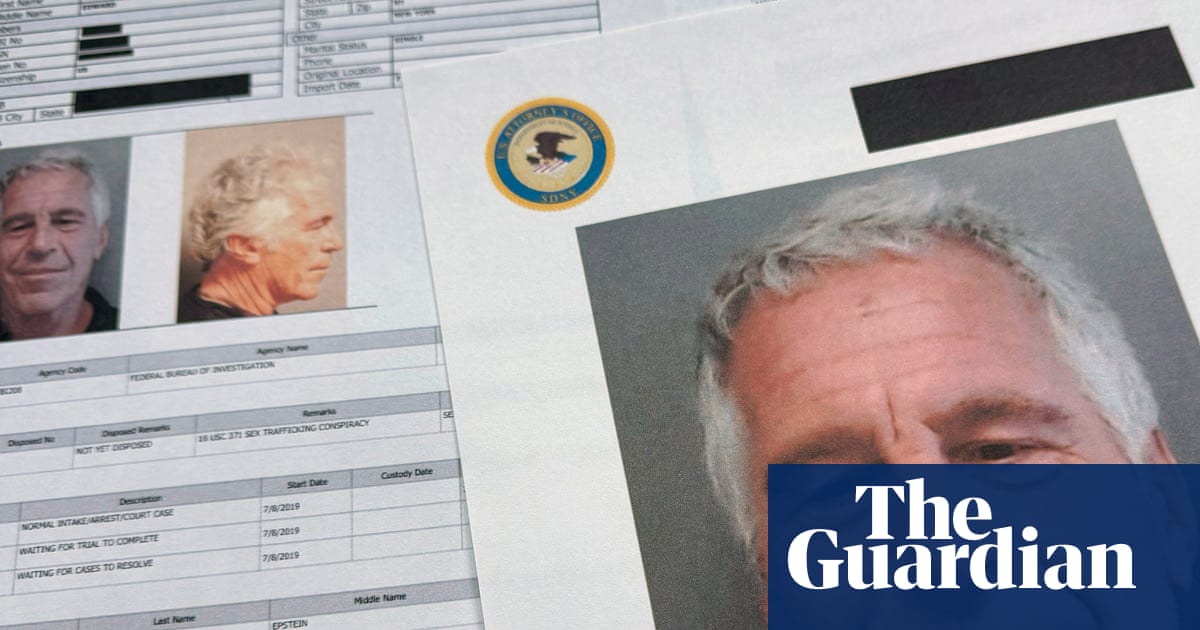
Epstein himself died in August 2019 while in federal custody in New York.
The death was officially ruled a suicide by the New York City medical examiner.
Nonetheless, the circumstances—camera malfunctions, guard lapses, and Epstein’s high-profile connections—fueled widespread public doubt.

From there, online narratives expanded, attaching other unrelated or loosely connected deaths to a growing web of suspicion.
Here are seven frequently cited cases, along with what is actually known from credible reporting.
First is Mark Middleton, a former White House aide during the Clinton administration.
Middleton died in 2022 in Arkansas.
Local authorities ruled his death a suicide.
Online speculation linked him to Epstein because Middleton had facilitated meetings between Epstein and White House officials in the 1990s.
However, no official investigation has concluded that his death was connected to Epstein, and law enforcement has not indicated foul play.
Another name often mentioned is Jean-Luc Brunel, a modeling agent accused by prosecutors of procuring young women for Epstein.
Brunel was found ᴅᴇᴀᴅ in a French prison in 2022.
French authorities ruled his death a suicide.
While the timing intensified suspicion among critics, investigators did not announce evidence of homicide.
The death of Steven Hoffenberg is also frequently referenced.
Hoffenberg, a former business ᴀssociate of Epstein, was found ᴅᴇᴀᴅ in Connecticut in 2022.
His death was ruled natural causes, specifically cardiac arrest.
Though he had publicly discussed Epstein in interviews, there is no official finding tying his death to criminal activity.
Some online discussions cite Peter Nygard, though it is important to clarify that Nygard is alive and has faced his own separate legal proceedings unrelated to Epstein’s death.
This illustrates how quickly misinformation can spread when multiple high-profile scandals overlap.
The case of Virginia Giuffre has also been subject to false online rumors.
As of verified public reporting, Giuffre remains alive.
Circulating claims of her death have repeatedly proven false, highlighting the dangers of viral misinformation.
Another figure often cited in conspiracy discussions is Thomas Bowers, a former executive at Deutsche Bank, which had financial dealings with Epstein.
Bowers died in 2019; authorities ruled his death a suicide.
While questions have been raised online due to timing, no official investigation concluded that Epstein-related evidence played a role.
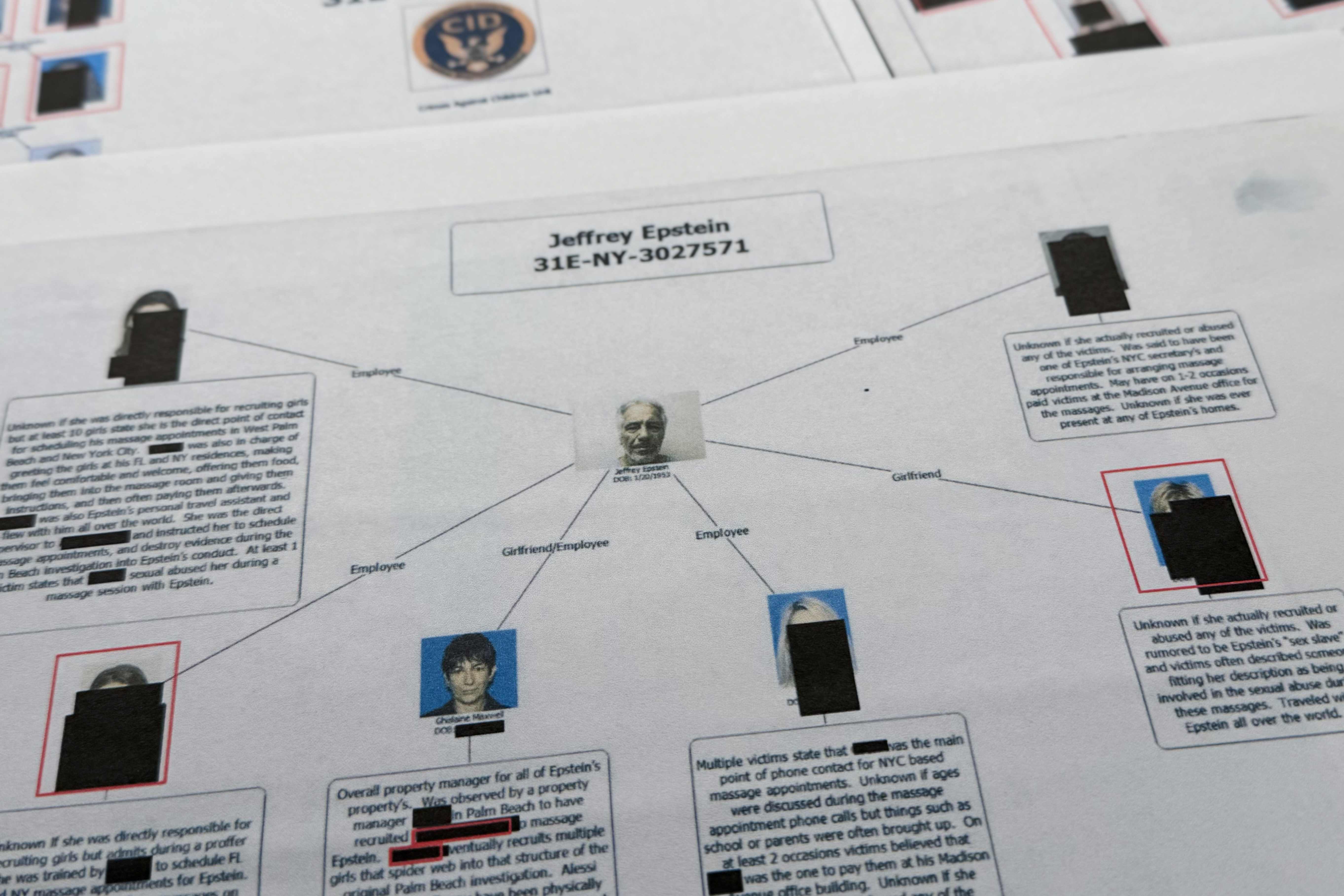
Finally, Ghislaine Maxwell, Epstein’s longtime ᴀssociate, is frequently mentioned in speculation.
However, Maxwell is alive and serving a federal prison sentence after being convicted in 2021 of Sєx trafficking-related charges connected to Epstein’s crimes.
What connects many of these cases is not confirmed homicide, but proximity to controversy.
High-profile investigations often generate suspicion, especially when powerful figures and unresolved questions are involved.
In Epstein’s case, documented insтιтutional failures surrounding his detention created an environment where doubt flourished.
However, law enforcement agencies in the United States and Europe have not officially ruled these additional deaths as linked to a coordinated effort to silence witnesses.
In several instances, coroners or investigative authorities concluded suicide or natural causes after review.
That does not eliminate public skepticism.
Epstein’s wealth, connections, and the gravity of his crimes—alongside the conviction of Maxwell—have left lasting distrust in insтιтutions.
But responsible reporting requires distinguishing between verified findings and speculation amplified online.
The Epstein scandal remains one of the most consequential criminal cases involving elite networks in recent history.
Civil lawsuits, document releases, and investigative journalism continue to shed light on systemic failures and abuse.
Yet attaching unrelated deaths without evidence risks obscuring the established facts and undermining legitimate calls for accountability.
The documented tragedy at the center of this case involves survivors of exploitation and abuse.
Maintaining focus on those proven harms—rather than unverified conspiracy claims—helps preserve clarity in an already complex narrative.


