Flooded Homes, Lost Value: When Houses Become Impossible to Sell
Flooding is turning once-valuable homes into properties that many buyers no longer want.
In several regions across Europe and beyond, repeated flood disasters are reshaping real-estate markets and leaving homeowners facing a harsh reality: houses that once represented a lifetime investment can suddenly lose much of their value after severe water damage.
In communities that have experienced devastating floods in recent years, the damage does not end when the water recedes.
Streets may dry out, debris may be cleared, and repairs may begin, but the long-term economic impact often lingers quietly in property markets.
Homes that were once attractive to buyers become difficult to sell, and their value can drop dramatically as fears of future flooding grow.
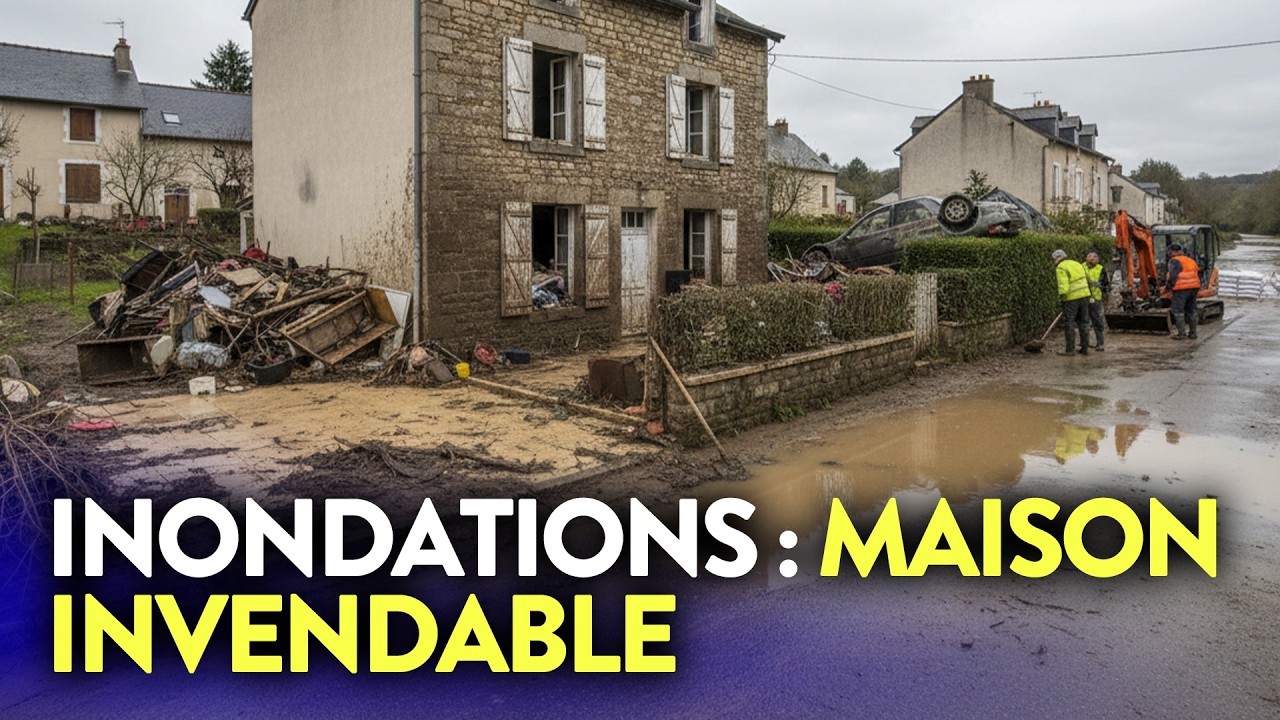
This shift has become particularly visible in parts of France, where repeated flood events have affected towns near rivers and low-lying coastal areas.
After each disaster, insurance costs rise, rebuilding expenses increase, and potential buyers become more cautious.
The result is a growing number of properties that remain on the market for months or even years.
For homeowners, the situation can be devastating.
Many families invested their savings into houses they believed would provide long-term stability.
But after a major flood, that sense of security can quickly disappear.
Water damage can weaken structures, destroy interior materials, and require expensive repairs that insurance may not fully cover.
Even after repairs are completed, the stigma of flooding often remains.
Real-estate agents say buyers frequently avoid homes located in areas with a history of severe floods.
Insurance requirements, new building regulations, and the risk of repeated disasters make these properties far less attractive compared to homes in safer locations.
In some towns, the difference in property value can be dramatic.
Homes that once sold quickly at market prices may suddenly lose a significant portion of their value.
In extreme cases, some houses become almost impossible to sell because potential buyers fear the financial risks ᴀssociated with future floods.
Experts say climate patterns are making this issue increasingly serious.
More frequent heavy rainfall, rising river levels, and extreme weather events are putting additional pressure on communities located near flood-prone areas.
Urban development has also played a role.
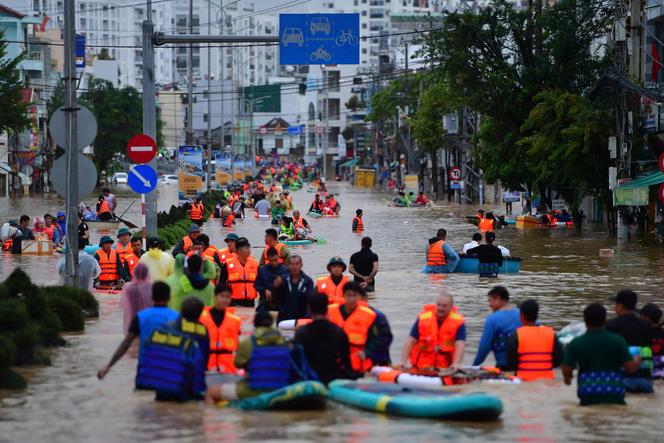
When natural land that once absorbed rainwater is replaced by roads and buildings, water has fewer places to go during storms, increasing the risk of flooding.
Cities along major rivers are particularly vulnerable.
Areas near waterways such as the Seine River or the Loire River have experienced repeated flooding episodes over the past decades.
Each time a major flood occurs, the economic consequences spread far beyond the immediate damage.
Local governments often face difficult decisions about whether to rebuild, reinforce infrastructure, or even relocate residents from the most vulnerable zones.
Some municipalities have started buying back homes located in the highest-risk areas, offering compensation to residents willing to move elsewhere.
The goal is to prevent repeated reconstruction in locations that may flood again in the future.
However, these programs are not always enough to address the scale of the problem.
For many homeowners, relocation is not easy.
Their jobs, families, and social connections are tied to the communities where they live.
Leaving can mean starting over somewhere completely new.
Meanwhile, real-estate markets continue to adjust.
Banks may become more cautious about approving mortgages for properties in flood-risk zones.
Insurance companies may raise premiums or impose stricter conditions.
All of these factors contribute to declining property values.

The psychological impact is also significant.
Residents who have experienced severe floods often live with the constant fear that the next storm could bring the same destruction again.
Even when repairs are completed, the memory of rising water inside homes and streets remains vivid.
Some homeowners install protective measures such as flood barriers, raised electrical systems, or reinforced foundations.
While these improvements can reduce future damage, they also add significant costs.
Urban planners and environmental experts argue that long-term solutions require better management of flood-risk areas.
Protecting wetlands, improving drainage systems, and restricting construction in vulnerable zones are among the strategies proposed to reduce future disasters.
However, implementing these measures takes time and political commitment.
As extreme weather events become more frequent, the number of homes affected by flooding is expected to grow.
For many communities, the challenge will be balancing economic development with environmental safety.
What was once considered a safe and valuable home can quickly become a financial burden when nature strikes.
For the families living in these houses, the consequences go far beyond property prices.
A home is not just a financial ᴀsset — it is a place filled with memories, security, and idenтιтy.
When floods repeatedly threaten that space, the emotional and economic costs can be enormous.
And as climate patterns continue to evolve, more homeowners may face the unsettling question already confronting many residents in flood-prone regions: what happens when the house you once dreamed of owning is suddenly worth far less than you ever imagined?


